Preserved meats, a culinary tradition spanning millennia, offer a unique approach to food storage and flavor enhancement. While moderation is key due to sodium content and potential health concerns, understanding their nutritional contributions and culinary applications is essential for a balanced perspective.
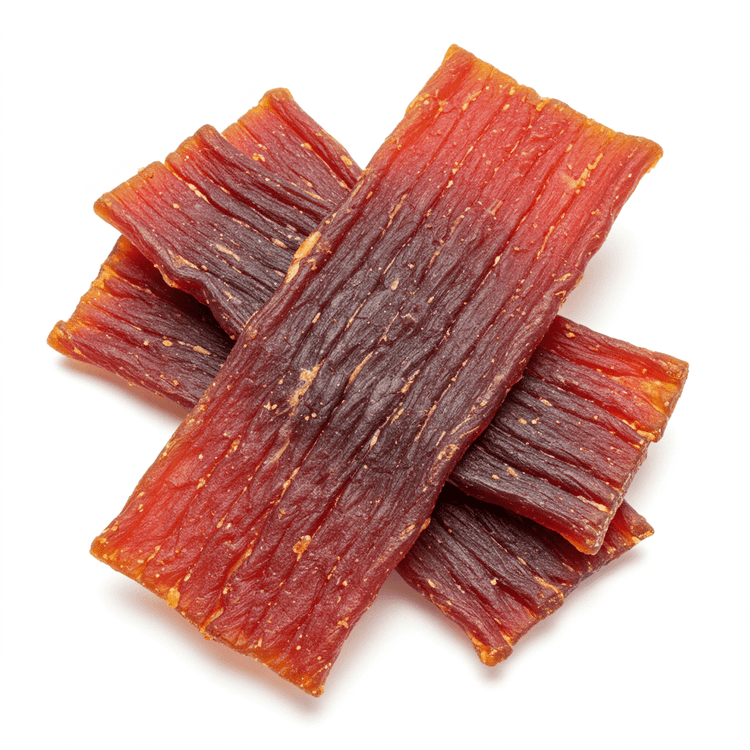
Historically, preservation techniques like curing, smoking, and drying allowed communities to stockpile food during times of scarcity. These methods inhibit bacterial growth, extending shelf life significantly. Today, preserved meats provide convenience and distinctive flavors to dishes worldwide. Examples include bacon, ham, salami, prosciutto, sausages (like chorizo or pepperoni), and jerky.
Nutritionally, preserved meats can be a source of protein, vital for muscle building, repair, and overall bodily function. Some, like certain sausages, may contain iron, crucial for oxygen transport in the blood, combating fatigue and supporting energy levels. Vitamin B12, important for nerve function and red blood cell formation, can also be found in some preserved meat products, though fortification during processing is more common than naturally high levels. However, the preservation process often involves the addition of sodium, which, while acting as a preservative, can contribute to high blood pressure if consumed in excess. Careful label reading is essential to monitor sodium intake. Furthermore, some processed meats contain added nitrates and nitrites, which can convert into potentially harmful compounds during cooking. Choosing products with lower levels of these additives and cooking them at lower temperatures can mitigate these risks.
Culinary applications of preserved meats are vast. Bacon adds a smoky, savory depth to breakfast dishes, salads, and even desserts. Ham is a classic centerpiece for holiday meals and a versatile ingredient in sandwiches and quiches. Salami and prosciutto elevate charcuterie boards and add a salty, rich component to pizzas and pastas. Sausages, with their diverse flavor profiles, can be grilled, pan-fried, or used as a base for stews and sauces. Jerky is a convenient and portable snack, although its sodium content should be considered.
When incorporating preserved meats into your diet, prioritize quality and moderation. Opt for leaner cuts when available and look for products with lower sodium and fewer additives. Pair them with plenty of fresh vegetables, fruits, and whole grains to create a balanced and nutritious meal. Consider them as flavor enhancers rather than the main component of every dish. By being mindful of portion sizes and choosing higher-quality options, you can enjoy the unique flavors of preserved meats while minimizing potential health risks. While not a primary source of essential nutrients like vitamins and fiber found abundantly in plant-based foods, they can contribute to a well-rounded diet when consumed responsibly. Remember to balance their flavor contribution with the awareness that they are not a substitute for fresh, whole foods. Consider them a treat, not a staple.
In summary, preserved meats offer distinct flavors and culinary versatility, but should be consumed in moderation. Prioritize leaner options, lower sodium content, and mindful portion sizes to enjoy them as part of a balanced diet and healthy lifestyle. ||
Preserved Meat are an essential part of a healthy diet, providing a wide range of nutrients and health benefits. Explore our collection of preserved meat ingredients.