Preparation is the cornerstone of healthy and delicious meals. It's more than just following a recipe; it's about consciously selecting ingredients, applying proper techniques, and understanding how each step contributes to the final outcome. Smart preparation maximizes nutrient retention, enhances flavor profiles, and minimizes the risk of foodborne illnesses.
One crucial aspect of preparation is proper cleaning and handling of produce. Washing fruits and vegetables thoroughly under running water removes dirt, pesticides, and bacteria. For leafy greens, a brief soak in cold water can help revive their crispness. Peeling certain fruits and vegetables can reduce pesticide exposure but also removes valuable fiber and nutrients, so consider the trade-offs carefully. Understanding how to safely handle raw meats, poultry, and seafood is paramount to preventing cross-contamination. Using separate cutting boards and utensils for raw and cooked foods, and ensuring proper cooking temperatures, are essential safety measures. Proper food storage is also a part of preparation, from airtight containers to cold temperatures.
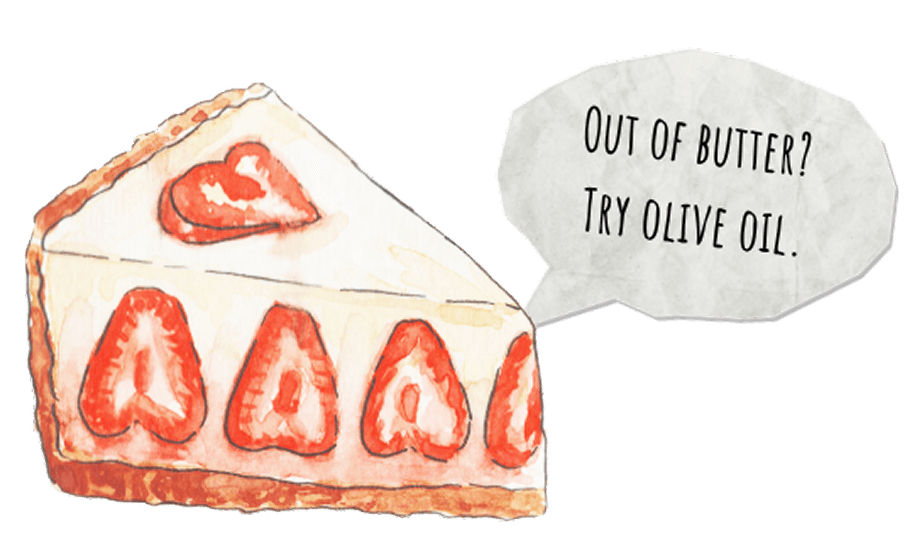
Different cooking methods also profoundly impact the nutritional value and taste of food. Steaming and blanching vegetables retain vitamins and minerals better than boiling, as fewer nutrients leach into the water. Roasting brings out the natural sweetness of vegetables and adds a delightful caramelized flavor. Grilling adds smoky notes to meats and vegetables, but it's important to avoid charring, which can produce harmful compounds. Sautéing with healthy oils like olive oil or avocado oil allows you to quickly cook ingredients while preserving their texture and flavor. Slow cooking, like stewing or braising, is ideal for tenderizing tougher cuts of meat and infusing them with rich, complex flavors. Each cooking method presents a unique opportunity to create nutritious and satisfying dishes.
Beyond technique, preparation involves mindful meal planning and ingredient sourcing. Choosing seasonal produce ensures maximum flavor and freshness while supporting local farmers. Reading nutrition labels and understanding ingredient lists empowers you to make informed choices about the foods you consume. Prepping ingredients in advance, such as chopping vegetables or portioning out grains, can save time and reduce stress during the week. A balanced diet built on thoughtful preparation supports overall wellness by providing the essential vitamins, minerals, and antioxidants your body needs. For example, carefully preparing lean protein sources like chicken or fish ensures adequate intake of essential amino acids for muscle repair and growth. Preparing whole grains, such as quinoa or brown rice, provides fiber for digestive health and sustained energy.
In essence, preparation is not just about following steps; it's about embracing a holistic approach to food that prioritizes health, flavor, and mindful consumption. It transforms raw ingredients into culinary masterpieces that nourish both body and soul. ||
Preparation are an essential part of a healthy diet, providing a wide range of nutrients and health benefits. Explore our collection of preparation ingredients.