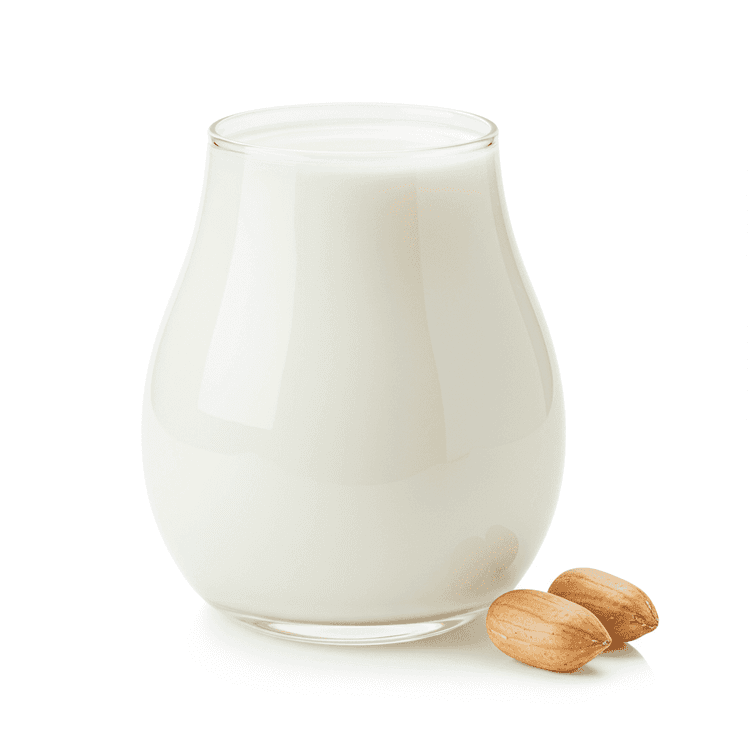
Milk products, a cornerstone of diets worldwide, offer a wealth of nutritional benefits and culinary versatility. From the creamy richness of whole milk to the tangy zest of yogurt and the savory bite of cheese, this category encompasses a diverse range of options, each contributing uniquely to a balanced and healthy lifestyle.
At the heart of milk's nutritional power lies its abundance of essential nutrients. Calcium, vital for strong bones and teeth, is perhaps the most well-known. But milk is also an excellent source of high-quality protein, crucial for muscle building, repair, and overall cellular function. Vitamin D, often fortified in milk, plays a critical role in calcium absorption and immune system support. Furthermore, milk provides significant amounts of vitamin B12, essential for nerve function and red blood cell production, and potassium, an electrolyte important for maintaining healthy blood pressure.
Beyond these key nutrients, milk contains a variety of other beneficial compounds, including conjugated linoleic acid (CLA), a fatty acid with potential anti-inflammatory and anti-cancer properties, and bioactive peptides, which may offer cardiovascular benefits. The specific nutrient profile varies depending on the type of milk product. For example, yogurt often contains probiotics, beneficial bacteria that promote gut health, while cheese can be a concentrated source of calcium and protein.
In the kitchen, milk products are incredibly versatile. Milk itself is a staple for beverages, breakfast cereals, and baking. It adds moisture and richness to cakes, cookies, and pancakes. Yogurt, with its creamy texture and slightly tart flavor, is enjoyed as a snack, breakfast item, or ingredient in dips and sauces. It's also a key component of many international dishes, like Indian raita and Greek tzatziki. Cheese, a true culinary chameleon, can be used in countless ways, from topping pizzas and salads to creating decadent sauces and gratins. Popular dishes featuring milk products include mac and cheese, lasagna, ice cream, cheesecake, and creamy soups. Different types of milk (cow, goat, sheep, plant-based alternatives) each offer unique flavor profiles for various culinary applications.
The importance of milk products in a balanced diet stems from their concentrated source of essential nutrients. While dietary needs vary, incorporating milk products can be a convenient and efficient way to meet your daily calcium, protein, and vitamin D requirements. Individuals with lactose intolerance can often tolerate fermented milk products like yogurt and kefir, or opt for lactose-free milk alternatives. Choosing lower-fat or non-fat options can also help manage calorie intake while still reaping the nutritional benefits. Ultimately, understanding the diverse range of milk products and their unique nutritional profiles empowers you to make informed choices that support your overall health and wellness. ||
Milk Product are an essential part of a healthy diet, providing a wide range of nutrients and health benefits. Explore our collection of milk product ingredients.