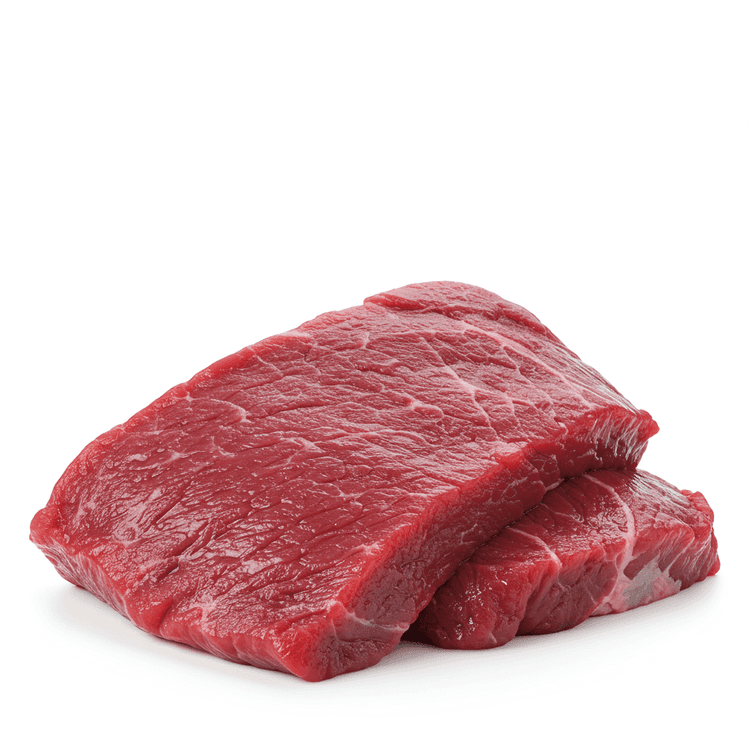
Meat products encompass a vast array of options, from lean poultry and grass-fed beef to flavorful pork and game meats. They are a cornerstone of many diets globally, prized for their rich protein content and distinct culinary versatility. Understanding the nutritional profile and responsible sourcing of different meat types is key to incorporating them healthfully into a balanced eating plan.
One of the primary benefits of meat is its high-quality protein. Protein is essential for building and repairing tissues, supporting muscle growth, and producing enzymes and hormones. Meat provides all nine essential amino acids, making it a complete protein source. Furthermore, meat is a significant provider of vital nutrients. Red meat, in particular, is a rich source of iron, crucial for oxygen transport in the blood and preventing anemia. It also contains zinc, vital for immune function and wound healing, and vitamin B12, necessary for nerve function and red blood cell production. Poultry offers niacin and selenium, important for energy metabolism and antioxidant defense, respectively. Leaner cuts across all meat types are preferable for minimizing saturated fat intake.
In the culinary world, meat is incredibly adaptable. Beef is used in countless dishes, from hearty stews and succulent steaks to ground beef tacos and juicy burgers. Pork shines in everything from pulled pork sandwiches and crispy bacon to flavorful sausages and Asian-inspired stir-fries. Chicken, the most versatile of the bunch, can be roasted, grilled, baked, fried, or added to soups, salads, and casseroles. Lamb brings a unique, robust flavor to dishes like roasted leg of lamb, grilled chops, and Middle Eastern-inspired tagines. The cooking methods employed significantly impact the final product’s nutritional value. Grilling, baking, and slow cooking are generally healthier options than frying, as they minimize the addition of extra fats.
Meat plays a crucial role in a balanced diet by contributing essential nutrients that are not always readily available from plant-based sources. While vegetarian and vegan diets can be perfectly healthy with careful planning and supplementation, meat provides a bioavailable form of iron (heme iron) that is more easily absorbed by the body than non-heme iron found in plants. Vitamin B12 is also primarily found in animal products. Responsible meat consumption, emphasizing lean cuts and mindful portion sizes, can contribute significantly to overall wellness. Choosing sustainably raised and locally sourced meat can further enhance the health and environmental benefits, ensuring ethical practices and reducing the carbon footprint associated with food production. Consider incorporating a variety of meat types into your diet, focusing on leaner options and balancing them with plenty of fruits, vegetables, and whole grains for optimal health and well-being. Remember to consult with a healthcare professional or registered dietitian for personalized dietary advice. ||
Meat Product are an essential part of a healthy diet, providing a wide range of nutrients and health benefits. Explore our collection of meat product ingredients.