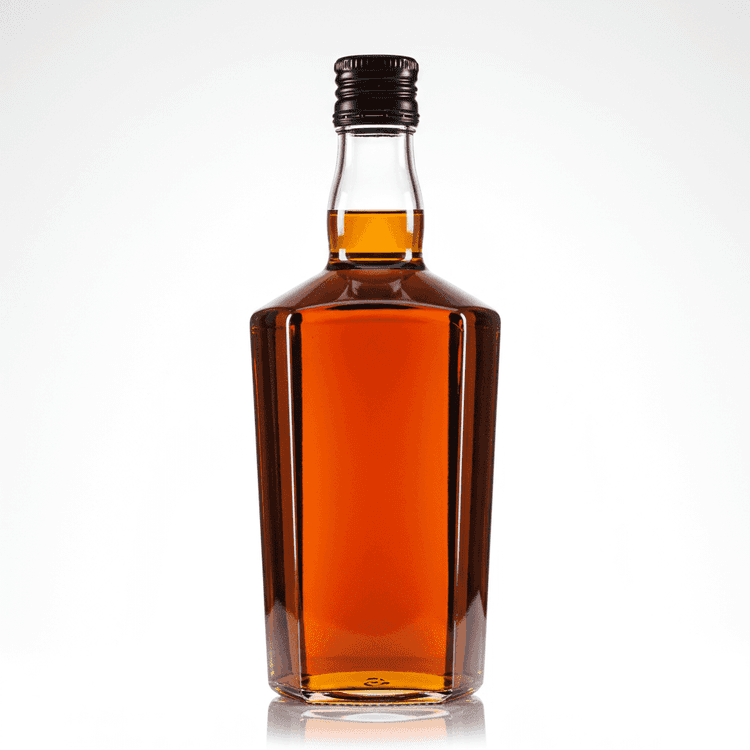
While often enjoyed for its social and celebratory role, liquor's place in a balanced diet is nuanced. It's crucial to acknowledge that excessive consumption can have significant negative health impacts. However, when consumed in moderation by adults, and in accordance with health guidelines, there are some considerations regarding the potential benefits and culinary applications of certain types of liquor. This description focuses on providing a balanced perspective, emphasizing responsible consumption. It is not intended to promote alcohol consumption and should not be interpreted as medical advice. Always consult with a healthcare professional for personalized recommendations.
From a purely nutritional standpoint, most liquors provide minimal vitamins, minerals, or antioxidants. Clear spirits like vodka and gin primarily offer empty calories. Some aged liquors, such as certain whiskies or brandies, may contain trace amounts of antioxidants due to the aging process in oak barrels. However, the levels are generally insignificant compared to other sources like fruits, vegetables, and tea. The primary component of liquor is ethanol, which is metabolized by the body differently than other macronutrients. Excess ethanol consumption can interfere with nutrient absorption and increase the risk of various health problems.
In the culinary world, liquor is widely used to enhance flavor profiles and create complex aromas. Many sauces and desserts incorporate liquors to add depth and richness. For example, a splash of brandy can elevate a cream sauce, while rum can impart a warm, sweet note to baked goods. Liquor is also a key ingredient in many classic cocktails, offering a wide range of flavor possibilities, from the bitterness of an Old Fashioned to the sweetness of a Margarita. Popular dishes using liquor include flambéed dishes like Bananas Foster (rum), various sauces (wine, brandy), and desserts such as tiramisu (coffee liqueur).
Understanding the role of liquor in a balanced diet requires careful consideration of portion size and frequency of consumption. The Dietary Guidelines for Americans recommend that if alcohol is consumed, it should be done in moderation – up to one drink per day for women and up to two drinks per day for men. A "drink" is defined as 1.5 fluid ounces of distilled spirits (liquor). Prioritizing a nutrient-dense diet rich in fruits, vegetables, whole grains, and lean protein is essential for overall wellness. While some might argue that certain liquors have cultural or social significance, it is vital to always prioritize health and well-being. It's also important to be mindful of added sugars in many mixed drinks, which can significantly increase calorie intake and negatively impact blood sugar levels. Remember, this information is for educational purposes only and does not constitute medical advice. Always consult with a healthcare professional or registered dietitian for personalized guidance on nutrition and alcohol consumption. ||
Liquor are an essential part of a healthy diet, providing a wide range of nutrients and health benefits. Explore our collection of liquor ingredients.