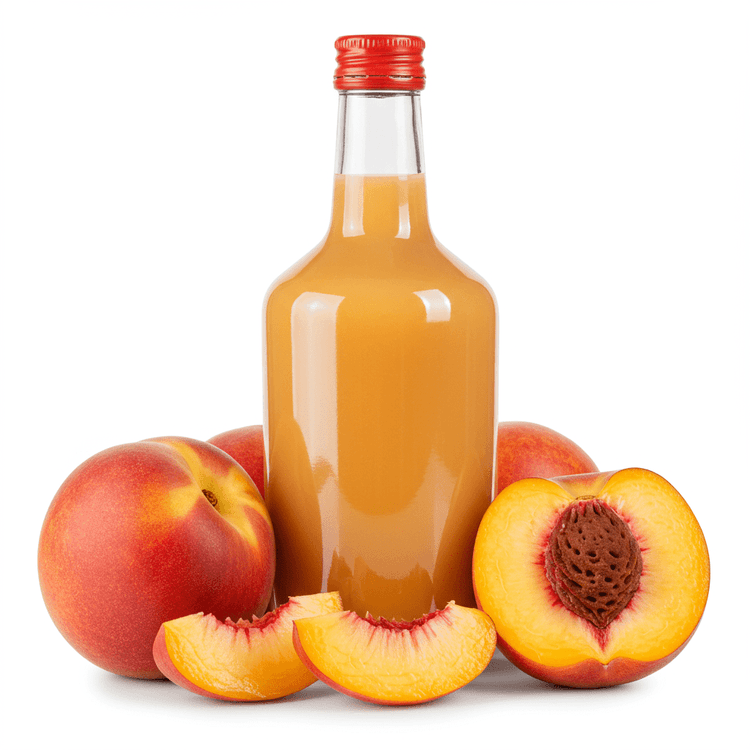
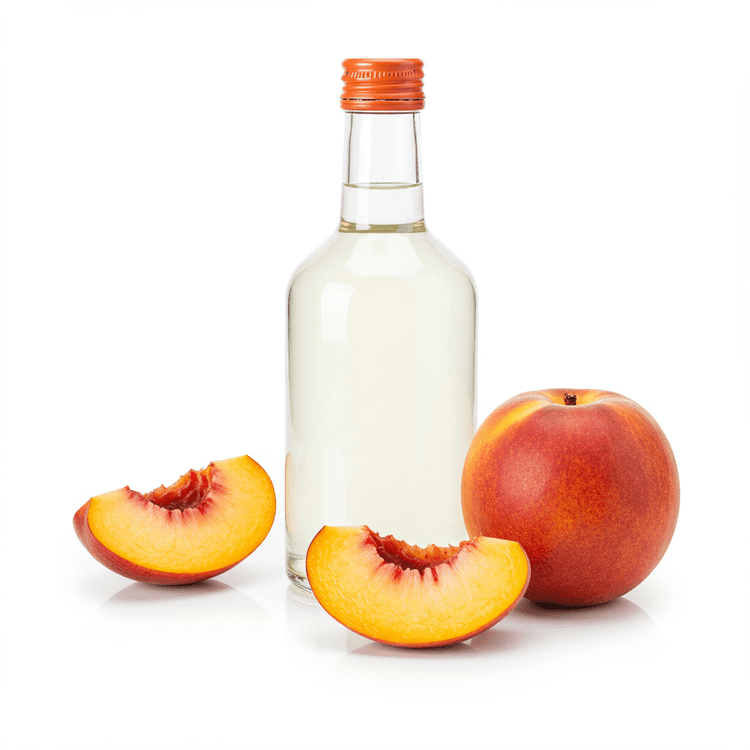
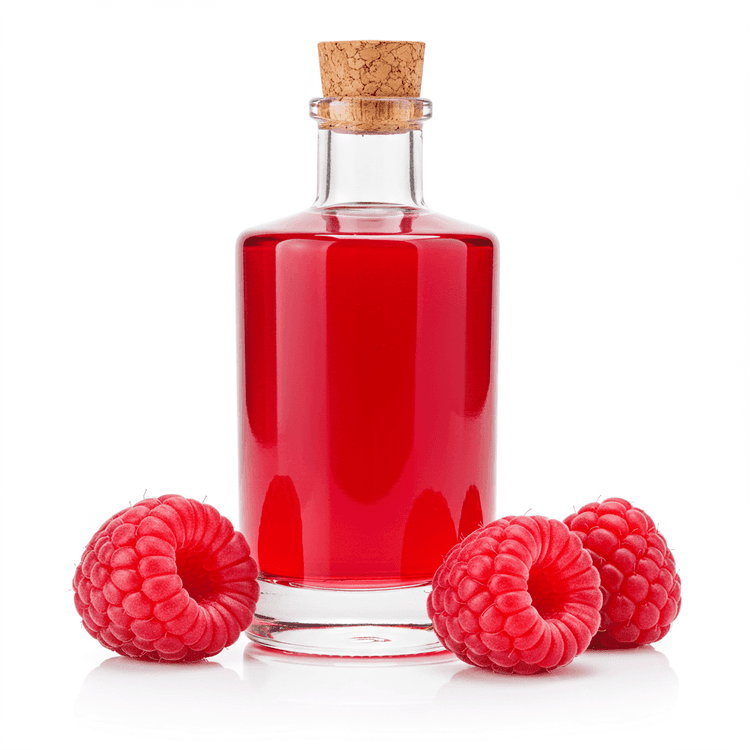
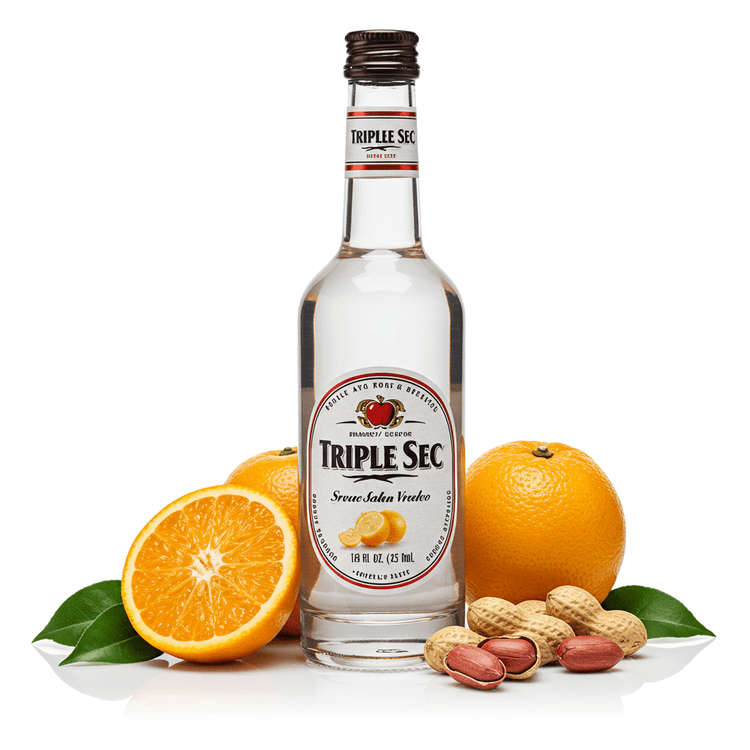
Liqueurs, often enjoyed as digestifs or cocktail components, represent a diverse category of alcoholic beverages. While not typically consumed for their nutritional value, understanding their composition and responsible consumption is essential for a balanced lifestyle. Unlike straight spirits, liqueurs are characterized by added sugars and flavoring agents, often derived from fruits, herbs, spices, flowers, nuts, or creams. This infusion process imbues them with a wide range of tastes, aromas, and colors.
From a health perspective, liqueurs offer minimal nutritional benefits. They provide negligible amounts of vitamins, minerals, or antioxidants. The primary component is alcohol, and excessive consumption poses well-documented health risks, including liver damage, cardiovascular problems, and increased risk of certain cancers. The high sugar content in many liqueurs also contributes to elevated blood sugar levels and weight gain. However, certain herbal liqueurs may contain trace amounts of compounds with potential medicinal properties, although these are unlikely to be present in significant quantities.
Culinary uses for liqueurs are abundant and versatile. They serve as key ingredients in countless cocktails, adding layers of flavor and complexity. Think of the classic Margarita with orange liqueur, the White Russian with coffee liqueur, or the Cosmopolitan with cranberry and citrus liqueur. Beyond cocktails, liqueurs find their way into desserts, adding a touch of sophistication and boozy indulgence. They can be drizzled over ice cream, incorporated into cake batters, used to flambé dishes, or added to sauces for a unique flavor profile. Coffee liqueurs enhance the flavor of tiramisu, while fruit liqueurs complement berry tarts and other fruit-based desserts. Nut liqueurs work well in chocolate desserts and creamy sauces. The possibilities are truly endless.
While liqueurs don't contribute substantially to a balanced diet from a nutritional standpoint, their moderate and responsible use can be part of a mindful approach to enjoying food and beverages. The key lies in understanding their composition, acknowledging their alcohol and sugar content, and prioritizing overall health and well-being. Opting for liqueurs with lower sugar content, limiting portion sizes, and choosing natural flavorings can help minimize potential negative impacts. Consider using them sparingly to enhance culinary creations, focusing on the experience and enjoyment rather than seeking health benefits. Remember to always drink responsibly and prioritize a balanced diet rich in whole, unprocessed foods. ||
Liqueur are an essential part of a healthy diet, providing a wide range of nutrients and health benefits. Explore our collection of liqueur ingredients.