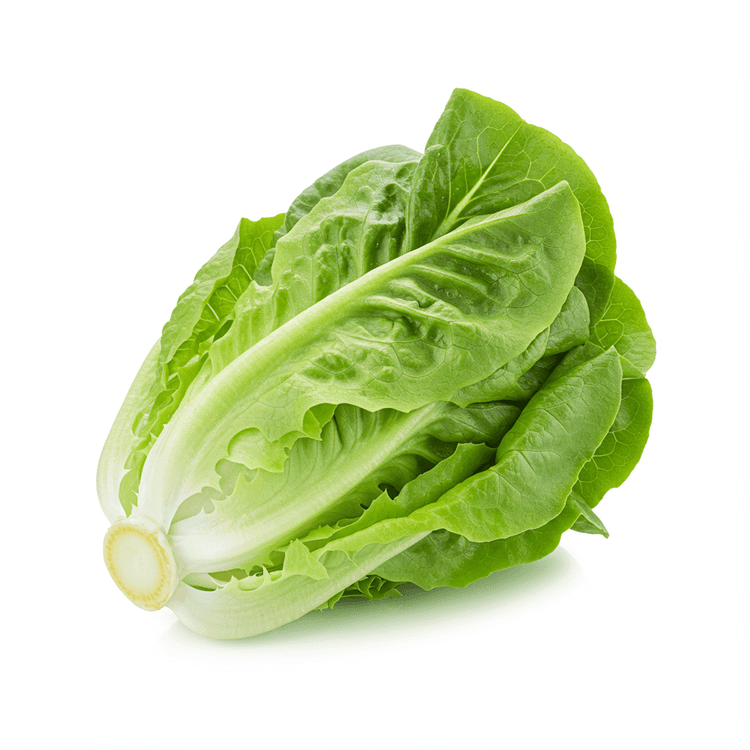
Lettuce, often underestimated, is more than just a filler for salads; it's a powerhouse of hydration, essential nutrients, and subtle flavors that contribute significantly to a balanced diet. This leafy green, belonging to the Asteraceae family, comes in various types, each with its unique texture, taste, and nutritional profile. From the crisp crunch of romaine to the delicate sweetness of butter lettuce, and the slightly bitter edge of iceberg, there's a lettuce variety to suit every palate and culinary need.
Lettuce is remarkably low in calories and high in water content, making it an excellent choice for those seeking to manage their weight and stay hydrated. Its fiber content, though moderate, aids in digestion and promotes gut health. Beyond these basic benefits, lettuce provides essential vitamins and minerals. Romaine lettuce, for example, is a good source of Vitamin A, crucial for maintaining healthy vision, skin, and immune function. It also contains Vitamin K, vital for blood clotting and bone health. Furthermore, lettuce offers folate (Vitamin B9), an important nutrient particularly for pregnant women as it supports healthy fetal development. While not a primary source of many minerals, lettuce contributes to your daily intake of potassium, which helps regulate blood pressure, and manganese, an antioxidant that protects cells from damage.
In the kitchen, lettuce is incredibly versatile. Of course, it's the foundation of countless salads, from simple vinaigrette-dressed greens to elaborate creations with grilled chicken, roasted vegetables, and creamy dressings. Romaine lettuce is the star ingredient in the classic Caesar salad. Beyond salads, lettuce leaves make excellent wraps for protein fillings, offering a lighter and fresher alternative to bread or tortillas. Butter lettuce cups are perfect for serving Asian-inspired ground meat or seafood dishes. Grilled lettuce, particularly romaine, adds a smoky char and unexpected depth of flavor to salads and other dishes. Don't overlook the inner, more tender leaves for garnishing soups, sandwiches, or even smoothies for a subtle nutrient boost without a strong flavor.
Integrating lettuce into your daily meals is a simple and effective way to improve your overall well-being. Its mild flavor profile makes it a seamless addition to various cuisines and dietary patterns. Its hydrating properties are especially beneficial during warmer months. Furthermore, the antioxidants found in darker varieties of lettuce help combat free radicals and reduce the risk of chronic diseases. While lettuce may not boast the same nutritional intensity as some other leafy greens like kale or spinach, its accessibility, affordability, and versatility make it a valuable component of a healthy, balanced diet. So, go beyond the iceberg and explore the diverse world of lettuce to discover new ways to enjoy this often-overlooked nutritional gem. ||
Lettuce are an essential part of a healthy diet, providing a wide range of nutrients and health benefits. Explore our collection of lettuce ingredients.