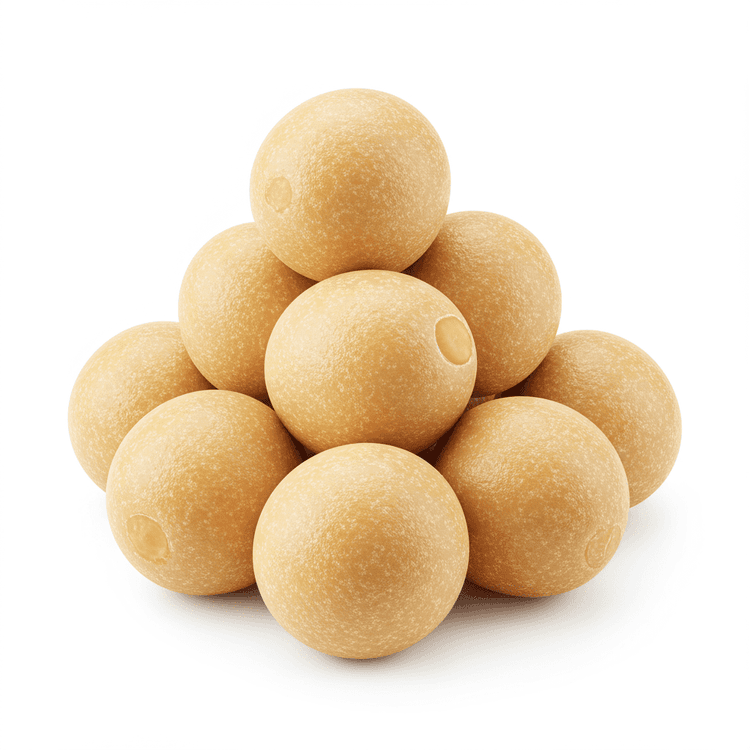
Legume byproducts, often overlooked, are surprisingly valuable components of a healthy and sustainable diet. These aren't just scraps; they're nutrient-rich remnants from legume processing, offering unique benefits and culinary possibilities. Think of chickpea flour pulp, soybean hulls, or even the outer layers of beans – materials often discarded but packed with dietary fiber, protein, and essential minerals.
The health benefits of legume byproducts are considerable, primarily stemming from their high fiber content. This fiber aids in digestive health, promoting regularity and potentially reducing the risk of colon cancer. Fiber also contributes to feelings of fullness, helping with weight management and preventing overeating. Certain legume byproducts, like soybean hulls, contain prebiotics, which feed beneficial gut bacteria, further enhancing digestive health and boosting the immune system. Depending on the specific legume and byproduct, these materials can also be good sources of iron, magnesium, and potassium – vital minerals for energy production, muscle function, and blood pressure regulation. Some also boast antioxidants that combat free radical damage, reducing inflammation and protecting against chronic diseases.
In the kitchen, legume byproducts are incredibly versatile. Chickpea flour pulp, for instance, can be incorporated into vegetable burgers, fritters, or even used as a thickening agent in soups and stews. Soybean hulls can be ground into a flour-like substance and added to baked goods to increase their fiber content. They can also be used as a sustainable and nutritious animal feed. The key is to experiment and find creative ways to incorporate these ingredients into your favorite dishes. Consider using them as a base for vegetarian fillings, adding them to smoothies for a fiber boost, or even fermenting them to create unique and flavorful condiments. Popular dishes that could benefit from the addition of legume byproducts include lentil soup (enhanced with extra fiber), falafel (using chickpea flour pulp for a different texture), and vegetable stir-fries (where fermented soybean byproduct could add a savory umami flavor).
Legume byproducts are more than just leftovers; they represent an opportunity to reduce food waste, enhance the nutritional value of our meals, and contribute to a more sustainable food system. They play a crucial role in a balanced diet by providing a concentrated source of fiber, essential minerals, and, in some cases, even a decent amount of protein. Their unique nutritional profile, coupled with their versatility in the kitchen, makes them an invaluable addition to the diets of health-conscious individuals and environmentally aware consumers alike. By embracing legume byproducts, we can unlock a wealth of nutritional benefits and contribute to a more responsible and sustainable food future. So, explore the possibilities, get creative in the kitchen, and discover the hidden potential of these often-overlooked ingredients! ||
Legume Byproduct are an essential part of a healthy diet, providing a wide range of nutrients and health benefits. Explore our collection of legume byproduct ingredients.