
Herbal
Herbs: Nature's Flavor Enhancers and Wellness Boosters
Herbs, the aromatic leaves of various plants, are culinary powerhouses and natural health allies. From the familiar basil and oregano to the more exotic cilantro and lemongrass, herbs add vibrant flavor, aroma, and a wealth of health benefits to our meals. These botanical treasures are packed with vitamins, minerals, and potent antioxidants, making them an invaluable addition to any diet.
Beyond their culinary appeal, herbs are celebrated for their medicinal properties. Many herbs are rich in antioxidants, fighting free radical damage and protecting against chronic diseases like heart disease and cancer. Certain herbs, such as ginger and turmeric, possess powerful anti-inflammatory properties, making them beneficial for managing conditions like arthritis and inflammatory bowel disease. Some herbs, like chamomile and lavender, have calming and relaxing effects, promoting better sleep and reducing stress. Others, like peppermint, can aid digestion and alleviate digestive discomfort. Incorporating herbs into your daily routine is a simple and effective way to enhance your well-being.
Culinary Uses: A World of Flavors
Herbs are incredibly versatile in the kitchen. They can be used fresh or dried, whole or chopped, and added to a wide range of dishes. Fresh herbs offer a brighter, more delicate flavor, while dried herbs provide a more concentrated taste. Herbs are essential ingredients in countless cuisines around the world. In Italian cuisine, basil, oregano, and rosemary are staples in pasta sauces, pizzas, and roasted meats. Thai cuisine relies heavily on cilantro, lemongrass, and Thai basil for its signature aromatic curries and soups. Mexican dishes wouldn't be complete without cilantro, oregano, and epazote. French cuisine uses herbs like thyme, parsley, and tarragon to create elegant sauces and flavorful stews. Consider a simple Caprese salad featuring fresh basil, tomatoes, and mozzarella, or a fragrant Thai green curry bursting with cilantro, lemongrass, and chilies. Even a sprinkle of parsley over roasted vegetables or a dash of thyme in a hearty soup can elevate the dish to a new level.
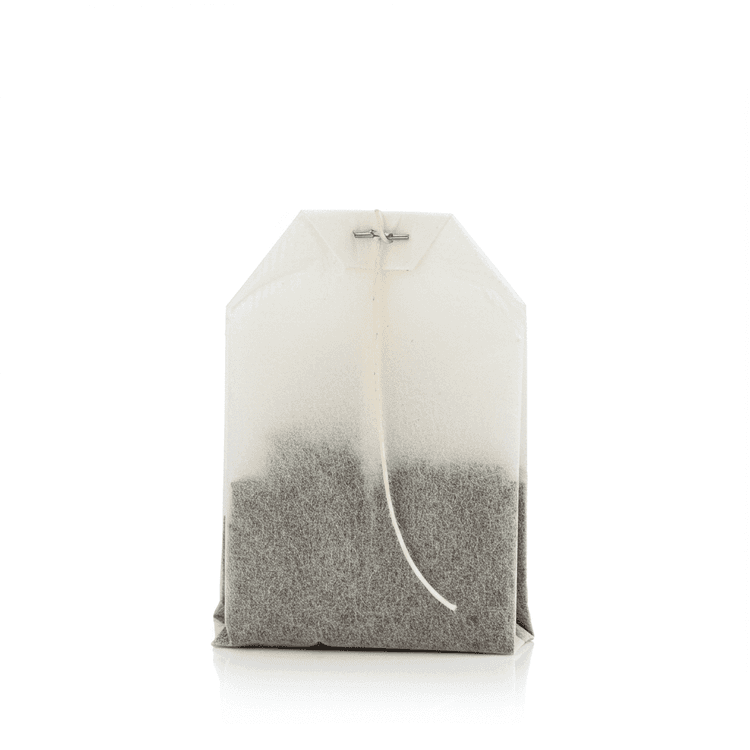
Herbs can also be used to create flavorful infusions and beverages. Herbal teas, made from herbs like chamomile, peppermint, and lavender, are a soothing and caffeine-free alternative to traditional tea or coffee. Infused oils, made by steeping herbs in olive oil or other oils, can add a burst of flavor to salads, dressings, and marinades. Herbal vinegars are another delicious way to preserve the flavor of herbs and add a tangy twist to your dishes.
The Importance of Herbs in a Balanced Diet
While herbs are often used in small quantities, their nutritional impact should not be underestimated. They provide a concentrated source of vitamins and minerals, including vitamins A, C, and K, as well as iron, calcium, and magnesium. Herbs also contain unique plant compounds, such as flavonoids and polyphenols, which have antioxidant and anti-inflammatory effects. By adding herbs to your diet, you can boost your nutrient intake and support your overall health.
Furthermore, herbs can help reduce our reliance on salt and unhealthy fats in cooking. By using herbs to add flavor, we can create delicious and satisfying meals without compromising our health. This is particularly beneficial for individuals with high blood pressure or those who are trying to reduce their sodium intake. The diverse range of flavors that herbs provide makes healthy eating exciting and sustainable. Incorporating herbs into your cooking is a simple, flavorful, and nutritious way to promote a balanced diet and enhance your overall well-being. From enhancing your favorite recipes to providing valuable health benefits, herbs are a gift from nature that we can all enjoy. || Herbal are an essential part of a healthy diet, providing a wide range of nutrients and health benefits. Explore our collection of herbal ingredients.
Your recipes can talk now 👀
Save recipes from anywhere, and get answers, swaps, and help as you cook.


Get cooking with the Chefadora App.
Available now for early access users.


Marnirni-apinthi Building, Lot Fourteen,
North Terrace, Adelaide, South Australia, 5000
Australia
