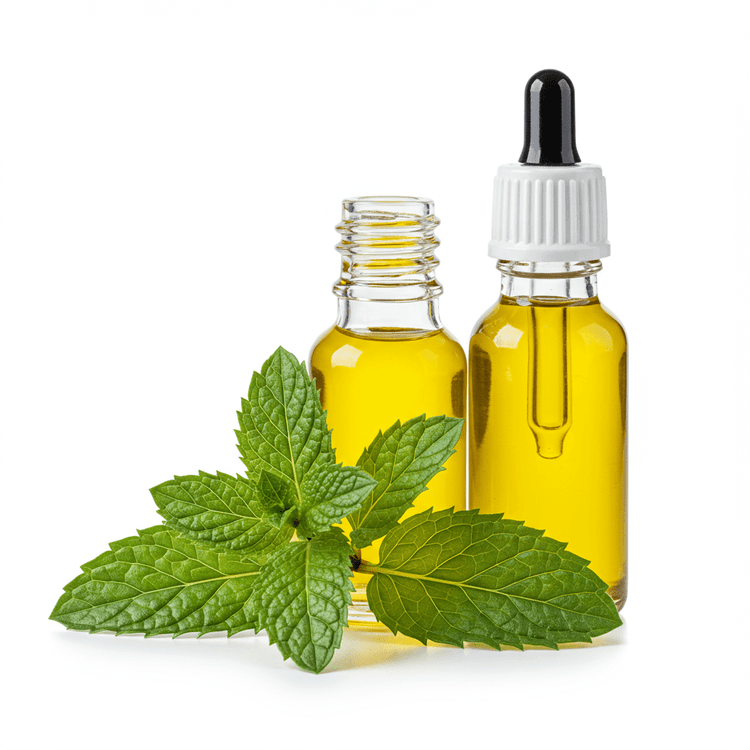
Herb derivatives, such as dried herbs, essential oils, and herbal extracts, are a versatile and nutrient-rich category that plays a vital role in both culinary and wellness practices. Packed with antioxidants, vitamins, and bioactive compounds, these derivatives offer a concentrated source of the health benefits found in fresh herbs. For instance, rosemary extract is rich in rosmarinic acid, a potent antioxidant that supports brain health and reduces inflammation, while oregano oil is renowned for its antimicrobial properties. Many herb derivatives also contain essential vitamins like vitamin C and vitamin K, as well as minerals such as calcium and magnesium, which contribute to bone health, immune function, and overall vitality.
In the kitchen, herb derivatives are prized for their ability to enhance flavor and aroma in a wide range of dishes. Dried herbs like basil, thyme, and parsley are staples in seasoning blends, marinades, and soups, adding depth and complexity to recipes. Herbal extracts, such as vanilla or almond extract, are commonly used in baking to infuse desserts with rich, aromatic flavors. Essential oils derived from herbs, like peppermint or lavender oil, are occasionally used in specialty recipes, particularly in beverages and confections, though they must be handled with care due to their potency. Herb derivatives also shine in beverages, with herbal teas and infusions offering soothing and therapeutic benefits. Popular dishes that incorporate herb derivatives include Italian pasta sauces seasoned with dried oregano and basil, Middle Eastern za'atar blends featuring thyme, and desserts like lavender-infused shortbread cookies.
The importance of herb derivatives in a balanced diet and overall wellness cannot be overstated. These concentrated forms of herbs allow individuals to reap the nutritional and medicinal benefits of plants in a convenient and accessible way. For example, turmeric extract, rich in curcumin, is celebrated for its anti-inflammatory and antioxidant properties, making it a popular supplement for joint health and immune support. Similarly, garlic powder and garlic oil provide allicin, a compound known for its cardiovascular benefits. Herb derivatives are also a cornerstone of holistic health practices, often used in aromatherapy and natural remedies to promote relaxation, improve digestion, and support respiratory health.
For health-conscious home cooks and food enthusiasts, herb derivatives are an indispensable addition to the pantry. They offer a simple yet powerful way to elevate meals while boosting nutritional value. Whether you're sprinkling dried dill over roasted vegetables, adding a drop of peppermint oil to hot cocoa, or stirring vanilla extract into pancake batter, herb derivatives provide endless opportunities to experiment with flavors and enhance wellness. Their concentrated nature means you can enjoy the benefits of herbs year-round, regardless of seasonality, making them a practical and flavorful choice for anyone looking to optimize their diet and lifestyle. ||
Herb Derivative are an essential part of a healthy diet, providing a wide range of nutrients and health benefits. Explore our collection of herb derivative ingredients.