Grain-free diets have gained significant popularity in recent years, especially among individuals seeking to improve digestion, manage food sensitivities, or adopt a low-carb lifestyle. Grain-free foods exclude all grains, including wheat, rice, oats, barley, and corn, focusing instead on nutrient-dense alternatives like nuts, seeds, legumes, and root vegetables. This dietary approach is particularly beneficial for those with gluten intolerance, celiac disease, or sensitivities to grain-based carbohydrates. By eliminating grains, many people report reduced bloating, improved energy levels, and better blood sugar control. Additionally, grain-free ingredients are often rich in essential nutrients such as fiber, healthy fats, protein, and antioxidants, making them a valuable addition to a balanced diet.
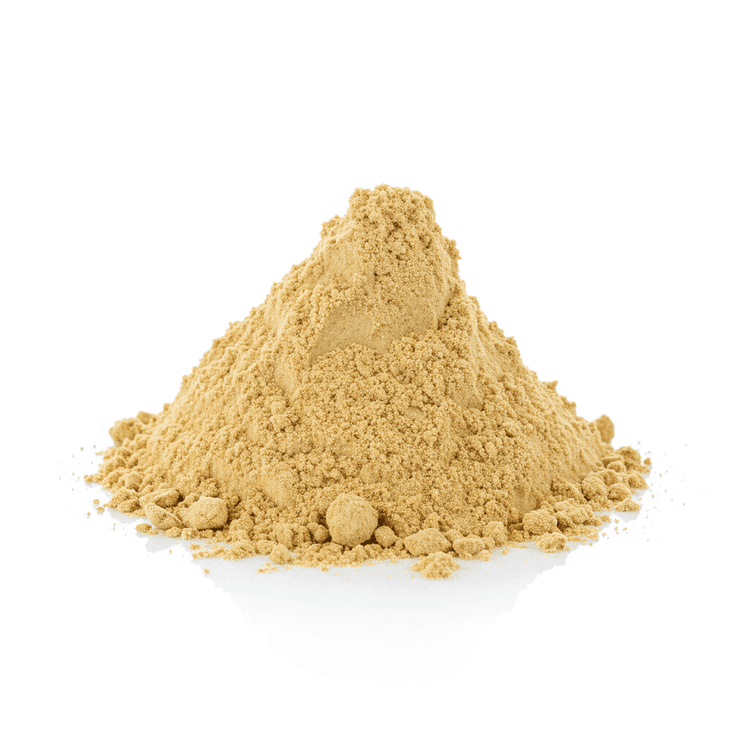
One of the key advantages of grain-free eating is its emphasis on whole, unprocessed foods. Ingredients like almond flour, coconut flour, cassava flour, and chickpea flour are popular substitutes for traditional grain-based flours in baking and cooking. These alternatives not only provide a similar texture but also offer unique nutritional benefits. For instance, almond flour is high in vitamin E and magnesium, while coconut flour is an excellent source of dietary fiber. Root vegetables like sweet potatoes, parsnips, and carrots are also staples in grain-free recipes, delivering a natural sweetness and a wealth of vitamins like A and C.
Grain-free cooking is incredibly versatile and can be adapted to a wide range of cuisines and dietary preferences. Popular grain-free dishes include cauliflower rice, zucchini noodles (zoodles), and grain-free bread or tortillas made from almond or cassava flour. For breakfast, grain-free granolas made with nuts, seeds, and dried fruits are a delicious and nutritious option. Desserts like grain-free brownies, cookies, and cakes are also widely enjoyed, proving that you don’t have to sacrifice flavor or indulgence when going grain-free. Additionally, grain-free diets often incorporate protein-rich foods like eggs, lean meats, and legumes, ensuring a well-rounded and satisfying meal plan.
Incorporating grain-free foods into your diet can play a significant role in promoting overall wellness. These foods are often lower in carbohydrates and higher in protein and healthy fats, which can help stabilize blood sugar levels and support weight management. The high fiber content in many grain-free ingredients aids in digestion and promotes a healthy gut microbiome. Furthermore, grain-free diets encourage the consumption of nutrient-dense, whole foods, which can help reduce inflammation and support immune health. For individuals with autoimmune conditions or chronic inflammation, a grain-free approach may provide relief and improve quality of life.
Whether you’re exploring grain-free eating for health reasons or simply looking to diversify your diet, this category offers a wealth of delicious and nourishing options. From hearty grain-free casseroles to light and refreshing salads featuring spiralized vegetables, the possibilities are endless. By embracing grain-free ingredients, you can enjoy meals that are not only satisfying but also packed with nutrients to fuel your body and mind. Perfect for health-conscious home cooks and food enthusiasts, grain-free recipes are a creative and wholesome way to elevate your culinary repertoire. ||
Grain-Free are an essential part of a healthy diet, providing a wide range of nutrients and health benefits. Explore our collection of grain-free ingredients.