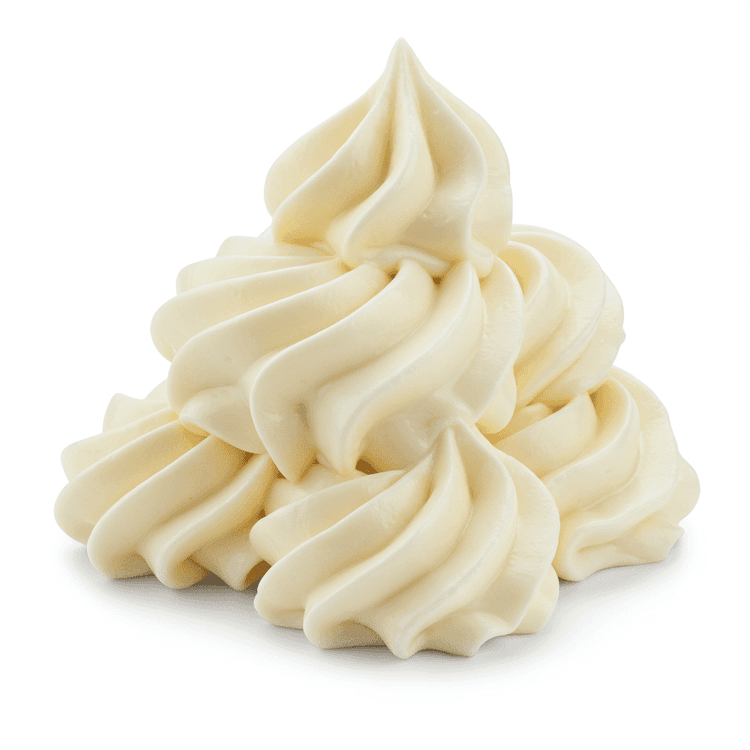
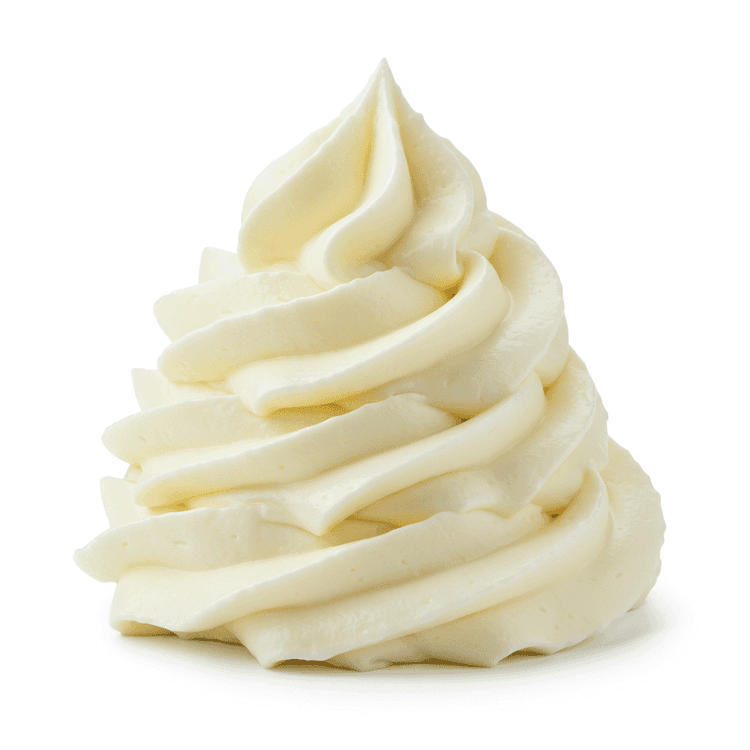
Frosting is the sweet, creamy finishing touch that transforms baked goods into irresistible treats. Whether you're decorating a cake, cupcakes, or cookies, frosting adds flavor, texture, and visual appeal to desserts. This versatile confection comes in various types, including buttercream, cream cheese, whipped, ganache, and royal icing, each offering unique characteristics and culinary possibilities. Frosting is not just a decorative element; it plays a vital role in enhancing the overall taste and experience of desserts.
One of the key health benefits of frosting lies in its ability to provide energy, as it is typically made with sugar and fats. While moderation is essential, frosting can be a source of quick energy, making it a delightful addition to celebratory occasions. Some frosting recipes incorporate nutrient-rich ingredients like dark chocolate, nuts, or fruit purees, which can contribute antioxidants, vitamins, and minerals. For example, dark chocolate ganache frosting is rich in flavonoids, which support heart health and may improve cognitive function. Similarly, cream cheese frosting contains calcium and protein, essential for bone health and muscle repair.
Frosting is incredibly versatile in the kitchen. Buttercream frosting, made with butter, sugar, and flavorings, is a favorite for its smooth texture and ability to hold intricate designs. It's commonly used for piping flowers, borders, and other decorative elements on cakes. Cream cheese frosting pairs beautifully with carrot cake, red velvet cake, and cinnamon rolls, offering a tangy contrast to sweet baked goods. Ganache, a luxurious blend of chocolate and cream, is perfect for glazing cakes or creating a rich filling. Royal icing, made with egg whites and powdered sugar, hardens upon drying, making it ideal for intricate cookie decorations. Whipped frosting, light and airy, is often used for topping cupcakes or layering between sponge cakes.
In addition to its culinary versatility, frosting is an essential component of a balanced dessert experience. While desserts are typically enjoyed in moderation, frosting can be customized to align with dietary preferences and health goals. For instance, using natural sweeteners like honey or maple syrup instead of refined sugar can reduce the glycemic impact. Incorporating plant-based fats like coconut oil or avocado can make frosting suitable for vegan diets. Adding fruit purees or spices like cinnamon and nutmeg can enhance flavor while providing additional nutrients.
For health-conscious home cooks and food enthusiasts, frosting offers endless opportunities for creativity. Experimenting with different flavors, colors, and textures can elevate any dessert, making it a centerpiece for celebrations and gatherings. Whether you're crafting a decadent chocolate cake or a light lemon cupcake, frosting is the key to achieving a polished, professional look and unforgettable taste. By understanding its nutritional components and culinary applications, you can enjoy frosting as part of a balanced diet while indulging in the joy of baking. ||
Frosting are an essential part of a healthy diet, providing a wide range of nutrients and health benefits. Explore our collection of frosting ingredients.