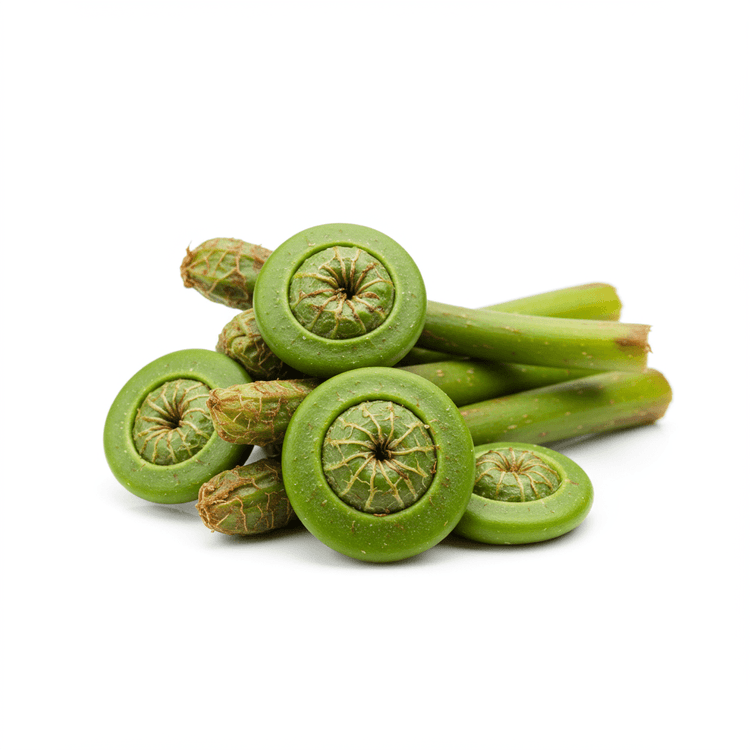
Foraged foods, treasures gleaned from nature's bounty, offer a unique and deeply rewarding way to connect with the earth while enriching your diet. These wild edibles, including mushrooms, berries, greens, nuts, and roots, provide a potent dose of nutrients often exceeding those found in their cultivated counterparts. Embracing foraged foods is about more than just eating; it's about understanding ecosystems, practicing sustainable harvesting, and savoring flavors born from the untamed landscape.
One of the primary benefits of foraging is the exceptional nutritional density of wild plants. Wild berries, for instance, are often packed with antioxidants like anthocyanins and quercetin, significantly higher than cultivated berries. These antioxidants play a vital role in protecting cells from damage caused by free radicals, reducing the risk of chronic diseases and supporting overall health. Wild greens, such as dandelion and purslane, are rich sources of vitamins A, C, and K, as well as minerals like iron and calcium. These nutrients are crucial for immune function, bone health, and blood clotting. Wild mushrooms, depending on the species, can provide significant amounts of vitamin D, B vitamins, and selenium, supporting immune health, nerve function, and thyroid health. Furthermore, the fiber content in many foraged foods contributes to gut health and helps regulate blood sugar levels.
Culinary uses for foraged foods are incredibly diverse. Wild mushrooms can be sautéed and added to pasta dishes, risottos, or omelets. They can also be dried and used to enhance the flavor of soups and stews. Wild berries are delicious in jams, pies, smoothies, and even savory sauces. Think of a vibrant huckleberry sauce served with grilled salmon or venison. Wild greens can be used in salads, stir-fries, or added to soups for a boost of nutrients. Dandelion greens, often considered a weed, have a slightly bitter flavor that pairs well with bacon and a vinaigrette dressing. Nettles, once cooked, lose their stinging properties and can be used to make a nutrient-rich soup or pesto. Foraged nuts, such as walnuts and hickory nuts, can be enjoyed raw, roasted, or used in baking. Acorns, after proper processing to remove tannins, can be ground into flour for breads and pancakes.
Incorporating foraged foods into a balanced diet contributes significantly to overall wellness. Because they grow naturally, without the use of pesticides or herbicides (when foraged responsibly in safe locations), they often represent a cleaner, more natural food source. The act of foraging itself encourages physical activity and mindfulness, promoting both physical and mental well-being. Moreover, foraging connects us to our food source in a more profound way, fostering a deeper appreciation for the natural world and encouraging sustainable practices. By learning about the edible plants and fungi in your local environment, you can diversify your diet, support your health, and reconnect with the earth in a meaningful way. Just remember to always forage responsibly, respecting the environment and ensuring proper identification of all plants and fungi before consumption. Consult with experienced foragers or field guides to avoid any potential risks and ensure safe and sustainable harvesting practices. ||
Foraged Food are an essential part of a healthy diet, providing a wide range of nutrients and health benefits. Explore our collection of foraged food ingredients.