Emulsifiers are the unsung heroes of the kitchen, playing a crucial role in creating smooth, stable, and delicious dishes. These fascinating ingredients, often overlooked, are substances that help to combine two liquids that normally don't mix well, such as oil and water. This process, called emulsification, is fundamental to many culinary creations, impacting texture, flavor, and overall appeal.
From a health perspective, while emulsifiers themselves might not be packed with vitamins and minerals, their impact on food quality and digestibility is significant. By creating stable emulsions, emulsifiers allow us to enjoy a wider range of flavors and textures, increasing dietary satisfaction and potentially contributing to better nutrient absorption. For example, emulsifiers in salad dressings ensure a uniform distribution of oil and vinegar, preventing the oil from separating and coating the palate excessively. Similarly, in baked goods, emulsifiers contribute to a tender crumb and improved moisture retention.
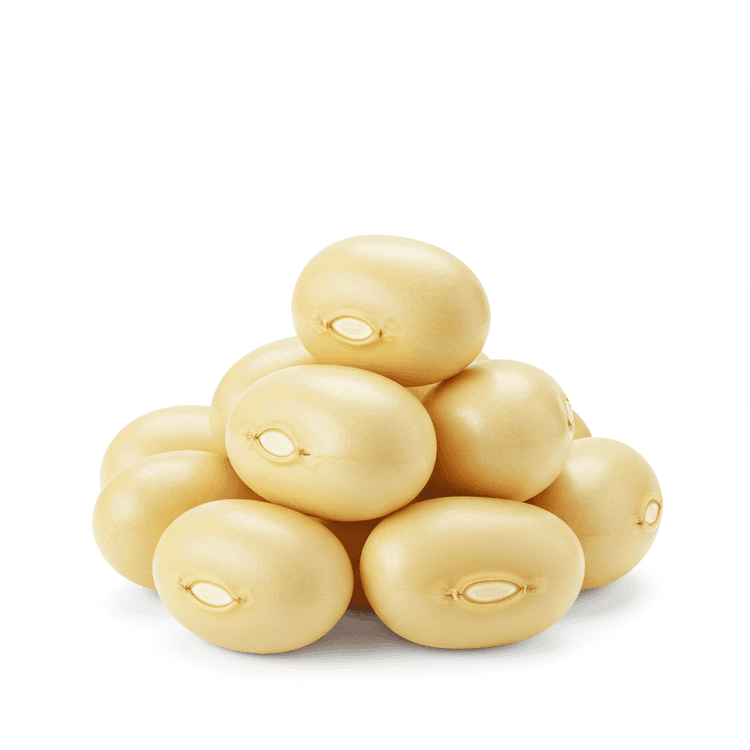
Common emulsifiers include egg yolks (thanks to lecithin), mustard, honey, and even simply vigorously whisking ingredients together. Soy lecithin is another popular emulsifier, often found in processed foods and baked goods. In cooking, emulsifiers are essential for making mayonnaise, hollandaise sauce, vinaigrettes, and creamy soups. They are also vital in chocolate making, where they prevent the cocoa butter from separating, resulting in a smooth and glossy finish. Many processed foods, such as ice cream and certain sauces, rely heavily on emulsifiers to maintain their desired texture and prevent separation during storage.
The importance of emulsifiers in a balanced diet often goes unnoticed, but they are instrumental in creating enjoyable and palatable meals. By stabilizing mixtures, they allow for better distribution of flavors and textures, making foods more appetizing and potentially increasing the consumption of nutrient-rich ingredients. For example, an emulsified salad dressing can encourage the consumption of leafy greens, while a well-emulsified sauce can enhance the flavor of vegetables. They also contribute to the overall sensory experience of eating, making meals more satisfying and enjoyable.
While the direct nutritional contribution of emulsifiers might be minimal, their impact on food quality, texture, and the overall culinary experience is undeniable. Understanding the role of emulsifiers empowers home cooks and food enthusiasts to create better, more stable, and ultimately more delicious dishes. From homemade mayonnaise to perfectly emulsified sauces, these culinary workhorses are essential for achieving consistent and satisfying results. Focusing on natural emulsifiers like egg yolks, mustard, and honey can add a nutritional boost alongside the textural benefits. By carefully selecting ingredients and understanding the principles of emulsification, you can elevate your cooking and enjoy the countless benefits these unsung heroes bring to the table. ||
Emulsifier are an essential part of a healthy diet, providing a wide range of nutrients and health benefits. Explore our collection of emulsifier ingredients.