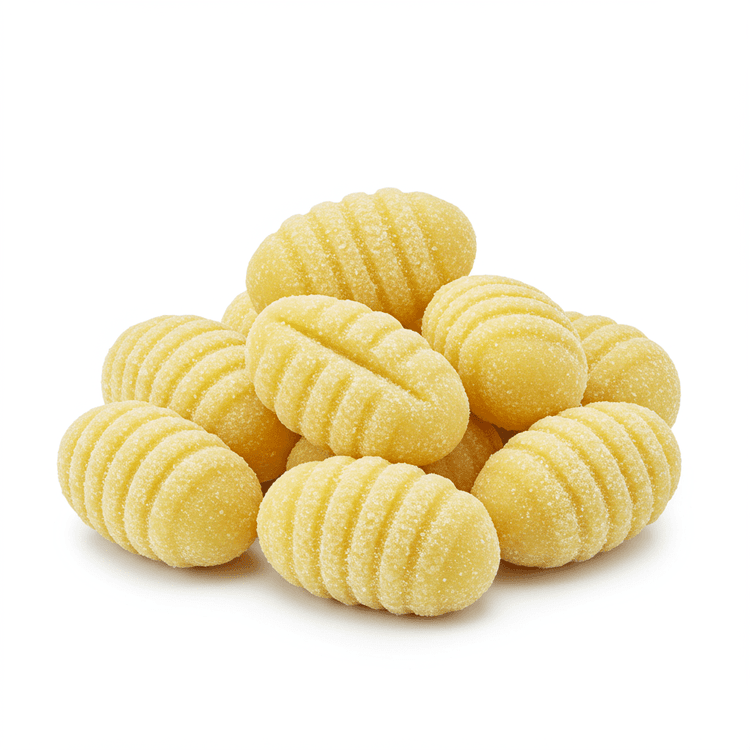
Dumplings, those delightful pockets of deliciousness, hold a cherished place in cuisines around the globe. From the delicate folds of Japanese gyoza to the hearty comfort of Polish pierogi, dumplings offer a versatile canvas for a world of flavors and textures. While often associated with carbohydrates, dumplings can be a surprisingly nutritious component of a balanced diet, depending on their ingredients and preparation methods.
The health benefits of dumplings stem largely from their fillings. Lean proteins like ground chicken, pork, or shrimp offer essential amino acids crucial for muscle building and repair. Vegetable-packed fillings, abundant in Chinese jiaozi or Korean mandu, contribute vital vitamins, minerals, and fiber. Cabbage, spinach, and mushrooms are common ingredients, providing vitamins C and K, folate, and antioxidants that combat free radicals and promote cellular health. Even the humble onion and garlic contribute valuable prebiotics that support a healthy gut microbiome, crucial for digestion and immunity.
Dumplings shine in their culinary versatility. Steaming preserves the delicate flavors and textures of the filling, while pan-frying or deep-frying adds a satisfying crispness. Boiling, as seen in many European varieties, yields a tender, comforting result. Dumplings are often served with flavorful dipping sauces, ranging from soy-based mixtures with ginger and scallions to tangy vinegar-based concoctions. They feature prominently in soups, adding substance and flavor to broths, such as the classic wonton soup. Consider variations like Italian ravioli, often filled with cheese and spinach, and served with tomato-based sauces, or the diverse range of Indian momos, steamed and served with spicy chutneys.
Incorporating dumplings into a balanced diet involves mindful choices. Opting for whole-wheat wrappers increases fiber intake, promoting satiety and regulating blood sugar levels. Prioritizing lean protein and vegetable-rich fillings boosts nutrient density. Choosing steaming or boiling over frying significantly reduces fat content. Controlling portion sizes is also key, as dumplings can be deceptively calorie-dense. Experimenting with different fillings allows for a wide range of nutrients and flavors. Sweet potato and black bean dumplings, for example, offer a boost of fiber and complex carbohydrates.
Beyond their delicious taste, dumplings offer a cultural connection. They represent family traditions, celebratory meals, and the art of preserving culinary heritage. By understanding the nutritional potential of dumplings and making informed choices, you can enjoy these global favorites as part of a healthy and fulfilling lifestyle. They are a blank slate for creativity in the kitchen, allowing for experimentation with different flavors and ingredients, ensuring a diverse and delicious diet. Embrace the dumpling – a small package bursting with flavor, culture, and potentially, a surprising amount of nutrition. ||
Dumpling are an essential part of a healthy diet, providing a wide range of nutrients and health benefits. Explore our collection of dumpling ingredients.