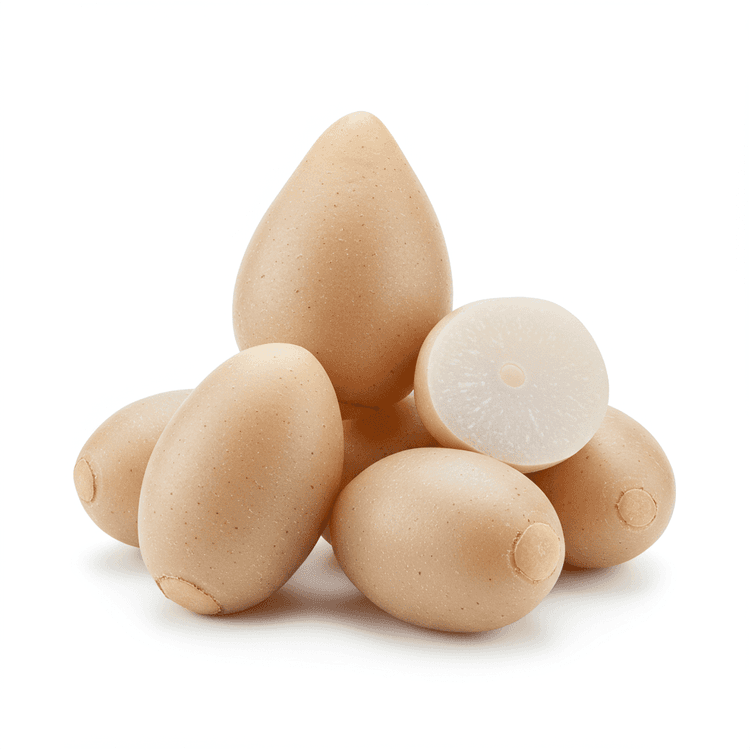
Dietary Fiber: The Unsung Hero of Health & Flavor
Dietary fiber, often overlooked, is a powerhouse of health benefits and culinary possibilities. It's the indigestible part of plant-based foods, meaning it passes through your digestive system largely intact. This isn't a flaw; it's precisely what makes fiber so vital. From promoting gut health to managing weight and regulating blood sugar, incorporating adequate fiber into your diet is crucial for overall well-being.
There are two main types of dietary fiber: soluble and insoluble. Soluble fiber dissolves in water, forming a gel-like substance that helps lower cholesterol and stabilize blood glucose levels. Good sources of soluble fiber include oats, beans, apples, and citrus fruits. Insoluble fiber, on the other hand, doesn't dissolve in water. It adds bulk to your stool, preventing constipation and promoting regular bowel movements. Think whole-wheat bread, vegetables like broccoli and carrots, and wheat bran. Many foods contain both types of fiber, offering a synergistic effect for optimal health.
Beyond its role in digestion, dietary fiber offers a wealth of other benefits. It can contribute to weight management by promoting feelings of fullness, which helps reduce overall calorie intake. Fiber also plays a role in gut health by feeding beneficial gut bacteria, which in turn produce short-chain fatty acids (SCFAs) that have anti-inflammatory properties and support the immune system. Some research even suggests a link between adequate fiber intake and a reduced risk of chronic diseases like heart disease, type 2 diabetes, and certain types of cancer.
Culinary applications of dietary fiber are vast and varied. Whole grains like brown rice, quinoa, and whole-wheat pasta form the base of countless nutritious meals. Beans and legumes, packed with both soluble and insoluble fiber, are staples in vegetarian and vegan cuisine, featuring prominently in dishes like chili, lentil soup, and black bean burgers. Fruits and vegetables, whether enjoyed raw, roasted, or steamed, contribute significantly to your daily fiber intake. Consider adding a handful of berries to your morning oatmeal, incorporating leafy greens into your salads, or snacking on crunchy vegetables with hummus. You can even boost the fiber content of baked goods by adding oats, flaxseed, or wheat bran.
Incorporating dietary fiber into your diet doesn't have to be a chore; it's an opportunity to explore new flavors and textures. Experiment with different grains, vegetables, and fruits to find combinations you enjoy. Start slowly and gradually increase your fiber intake to avoid digestive discomfort. Remember to drink plenty of water to help the fiber do its job effectively.
Dietary fiber is more than just a buzzword; it's an essential component of a balanced diet and a cornerstone of good health. By embracing fiber-rich foods, you can nourish your body, support your gut microbiome, and enjoy a wide range of delicious and satisfying meals. From the humble bean to the vibrant array of fruits and vegetables, the world of dietary fiber is waiting to be explored. So, embrace the fiber revolution and reap the rewards of a healthier, happier you. ||
Dietary Fiber are an essential part of a healthy diet, providing a wide range of nutrients and health benefits. Explore our collection of dietary fiber ingredients.