Dessert sauces, often the crowning glory of a sweet treat, add flavor, texture, and visual appeal to countless desserts. While the term might evoke images of indulgence, understanding their composition reveals opportunities to incorporate dessert sauces thoughtfully into a balanced dietary approach. From luscious chocolate ganache to tangy fruit reductions and creamy custards, dessert sauces offer a diverse range of flavors and nutritional profiles. Many dessert sauces can be made at home, providing full control over ingredients and allowing for healthier modifications.
Beyond pure decadence, certain dessert sauces can contribute beneficial elements. Fruit-based sauces, like berry compotes or apple cider caramel, are naturally rich in vitamins, minerals, and antioxidants. Berries, for instance, are packed with vitamin C and anthocyanins, known for their immune-boosting and anti-inflammatory properties. Even a small drizzle of homemade berry sauce can enhance the nutritional value of a dessert while satisfying a sweet craving. Homemade apple sauces provide a good source of fiber and vitamin K. Similarly, sauces made with citrus fruits like oranges or lemons offer a boost of vitamin C and refreshing zest.
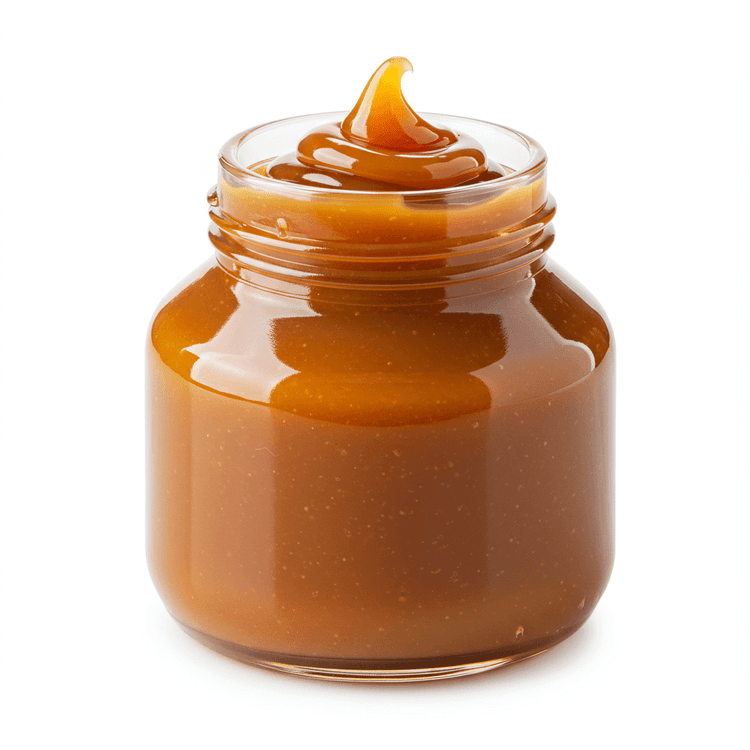
Culinary applications of dessert sauces are virtually limitless. Chocolate sauce elevates ice cream sundaes, brownies, and cheesecakes. Caramel sauce enhances apple pies, bread puddings, and affogato. Fruit sauces complement pancakes, waffles, and yogurt parfaits. Custard sauces, like crème anglaise, add richness to poached fruit, soufflés, and cakes. The versatility of dessert sauces extends to cooking methods as well. Some sauces, like chocolate fudge, are prepared on the stovetop, while others, like fruit coulis, require minimal cooking or no cooking at all. Many sauces can be incorporated into baked goods, such as adding a swirl of raspberry sauce into a cheesecake batter.
The key to incorporating dessert sauces into a balanced diet lies in moderation and mindful ingredient choices. Opting for homemade versions allows you to control the sugar content and use healthier alternatives like honey, maple syrup, or date syrup. Incorporating fruits, nuts, and spices not only enhances flavor but also adds valuable nutrients. Furthermore, considering portion sizes is crucial. A small drizzle of sauce can often suffice to satisfy a craving without significantly impacting your overall caloric intake. Choosing sauces that are based on whole foods, like fruit or nuts, over highly processed alternatives also boosts the nutritional profile. By understanding the nutritional content and potential health benefits of various dessert sauces, you can enjoy them responsibly and elevate your dessert experiences with both flavor and wellness in mind. A drizzle of homemade vanilla bean sauce on a bowl of fresh fruit can be a delightfully healthy and satisfying dessert option. Moreover, many vegan sauces exist, made from cashews or coconut milk, broadening options for those with dietary restrictions. ||
Dessert Sauce are an essential part of a healthy diet, providing a wide range of nutrients and health benefits. Explore our collection of dessert sauce ingredients.