
Decorative Topping
Decorative Toppings: Elevate Your Culinary Creations with Style and Nutrition
Decorative toppings are more than just a finishing touch—they’re an essential element in transforming dishes into visually appealing masterpieces while adding layers of flavor, texture, and even nutritional benefits. From vibrant herbs and edible flowers to crunchy nuts, seeds, and colorful drizzles, decorative toppings can enhance both the aesthetic and the health profile of your meals. Whether you're preparing a hearty salad, a decadent dessert, or a comforting bowl of soup, the right topping can make all the difference.
Health Benefits of Decorative Toppings
Many decorative toppings are packed with nutrients that contribute to overall wellness. For example, nuts and seeds like almonds, walnuts, chia seeds, and sunflower seeds are rich in healthy fats, protein, and essential minerals such as magnesium and zinc. Fresh herbs like parsley, cilantro, and basil not only add a burst of flavor but also provide antioxidants, vitamins A and C, and anti-inflammatory properties. Edible flowers such as nasturtiums and pansies are not only visually stunning but also contain phytonutrients that support immune health. Even sweet toppings like dark chocolate shavings or fruit slices can offer antioxidants and vitamins when used in moderation.
Culinary Uses and Popular Applications
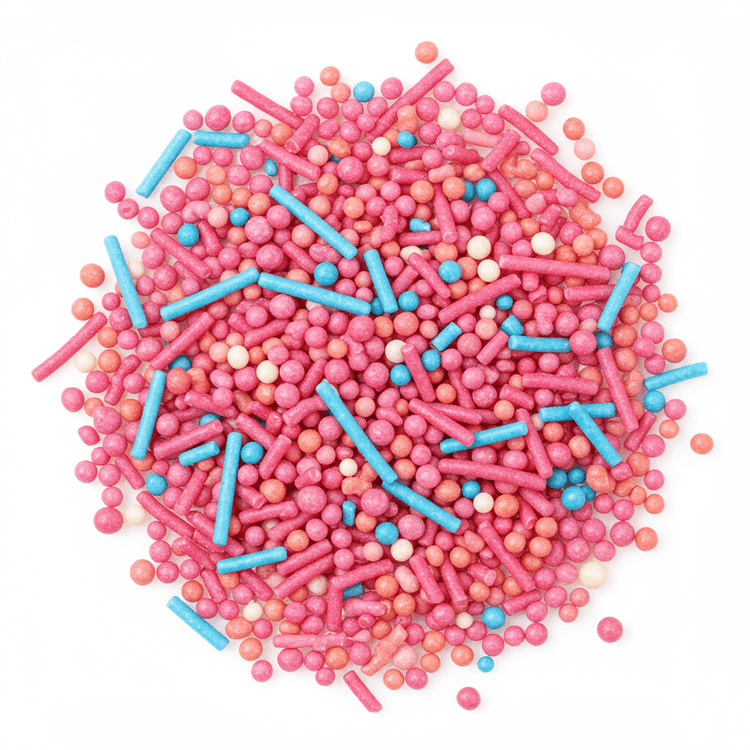
Decorative toppings are incredibly versatile and can be tailored to suit any dish or occasion. For savory dishes, consider sprinkling toasted sesame seeds or crushed nuts over stir-fries, curries, or roasted vegetables for added crunch and depth. Fresh herbs like dill or chives can elevate soups and stews, while microgreens add a gourmet touch to salads and sandwiches. Sweet dishes benefit from toppings like powdered sugar, whipped cream, or fresh berries, which add color and flavor. For baked goods, think of creative options like colorful sprinkles, caramel drizzle, or crushed cookies to make desserts irresistible.
In beverages, decorative toppings such as cinnamon sticks, grated nutmeg, or citrus zest can enhance the aroma and presentation of drinks like lattes, cocktails, or smoothies. Even simple dishes like oatmeal or yogurt bowls can be transformed with a sprinkle of granola, a dollop of nut butter, or a scattering of dried fruit.
Why Decorative Toppings Matter for a Balanced Diet
While decorative toppings are often seen as purely aesthetic, they can play a significant role in a balanced diet. Incorporating nutrient-dense toppings like seeds, nuts, and fresh produce ensures that your meals are not only visually appealing but also packed with essential vitamins, minerals, and healthy fats. For example, adding chia seeds to a smoothie bowl boosts omega-3 fatty acid intake, while a sprinkle of fresh parsley on pasta provides a dose of vitamin K. These small additions can make a big impact on your overall nutrient intake.
Decorative toppings also encourage mindful eating by making meals more engaging and enjoyable. When food looks appealing, you're more likely to savor each bite, which can aid digestion and promote a healthier relationship with food. For home cooks and food enthusiasts, experimenting with toppings is a fun way to explore new flavors, textures, and nutritional benefits.
In summary, decorative toppings are a simple yet powerful way to enhance your meals both visually and nutritionally. Whether you're looking to impress guests or simply elevate your everyday cooking, the right topping can add flavor, texture, and a touch of artistry to any dish. So, get creative and let your toppings shine! || Decorative Topping are an essential part of a healthy diet, providing a wide range of nutrients and health benefits. Explore our collection of decorative topping ingredients.
Your recipes can talk now 👀
Save recipes from anywhere, and get answers, swaps, and help as you cook.


Get cooking with the Chefadora App.
Available now for early access users.


Marnirni-apinthi Building, Lot Fourteen,
North Terrace, Adelaide, South Australia, 5000
Australia
