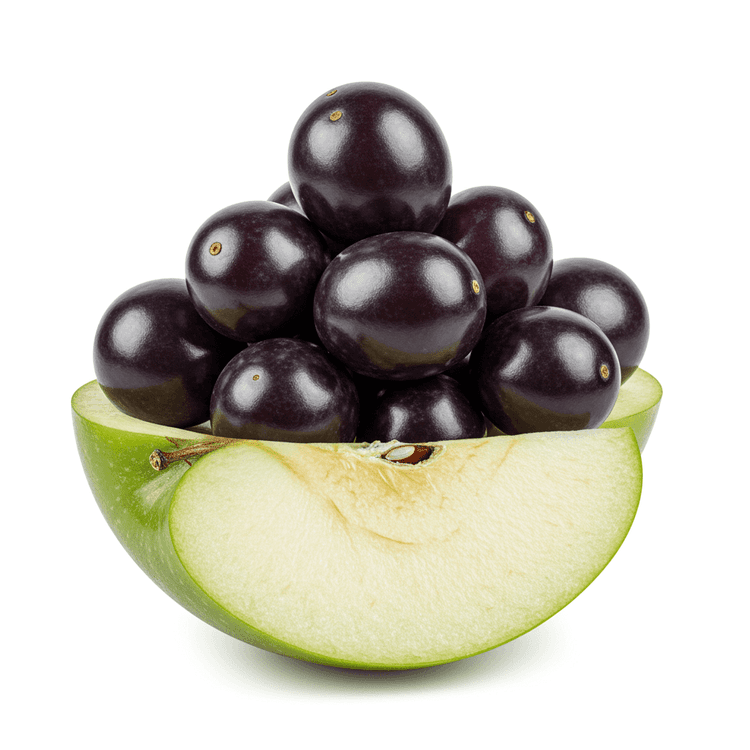
Decorative ingredients are the unsung heroes of culinary artistry, transforming ordinary dishes into visual masterpieces while often adding subtle layers of flavor and texture. These ingredients, ranging from edible flowers and microgreens to colorful sprinkles and chocolate shavings, are not just about aesthetics—they can also offer surprising health benefits. For instance, edible flowers like nasturtiums and pansies are rich in antioxidants and vitamins, while microgreens pack a concentrated punch of nutrients such as vitamin C, vitamin E, and beta-carotene. Even seemingly indulgent decorative elements like dark chocolate curls can provide a dose of heart-healthy flavonoids. By incorporating decorative ingredients into your meals, you can elevate both the visual appeal and nutritional profile of your dishes.
In the culinary world, decorative ingredients are used to enhance the presentation of a wide variety of dishes, from appetizers and salads to desserts and cocktails. Edible flowers, such as lavender and hibiscus, are often used to garnish cakes, pastries, and beverages, adding a pop of color and a subtle floral aroma. Microgreens, which include varieties like arugula and radish greens, are perfect for topping soups, sandwiches, and grain bowls, offering a fresh, peppery bite. For desserts, decorative elements like powdered sugar, fruit slices, or colorful sprinkles can make treats more enticing and festive. Even savory dishes can benefit from decorative touches—think of freshly grated Parmesan or a drizzle of balsamic reduction to finish a plate of pasta or roasted vegetables. These ingredients not only make food look more appealing but also create a multisensory dining experience that delights the palate and the eyes.
Decorative ingredients play a crucial role in a balanced diet and overall wellness by encouraging mindful eating and creativity in the kitchen. When meals are visually appealing, they can stimulate appetite and make healthy eating more enjoyable. For example, adding vibrant edible flowers or nutrient-dense microgreens to a salad can make it more enticing, encouraging you to consume more vegetables and essential nutrients. Additionally, many decorative ingredients are minimally processed and naturally nutrient-rich, making them a smart choice for health-conscious home cooks. Incorporating these elements into your meals can also inspire creativity, helping you experiment with new flavors, textures, and presentations that keep your diet varied and exciting.
Whether you're hosting a dinner party or simply looking to elevate your everyday meals, decorative ingredients are a versatile and impactful addition to your culinary repertoire. They not only enhance the visual appeal of your dishes but also contribute to their nutritional value, making them an essential component of modern cooking. By exploring the world of decorative ingredients, you can transform your meals into works of art that nourish both the body and the soul. ||
Decorative Ingredient are an essential part of a healthy diet, providing a wide range of nutrients and health benefits. Explore our collection of decorative ingredient ingredients.