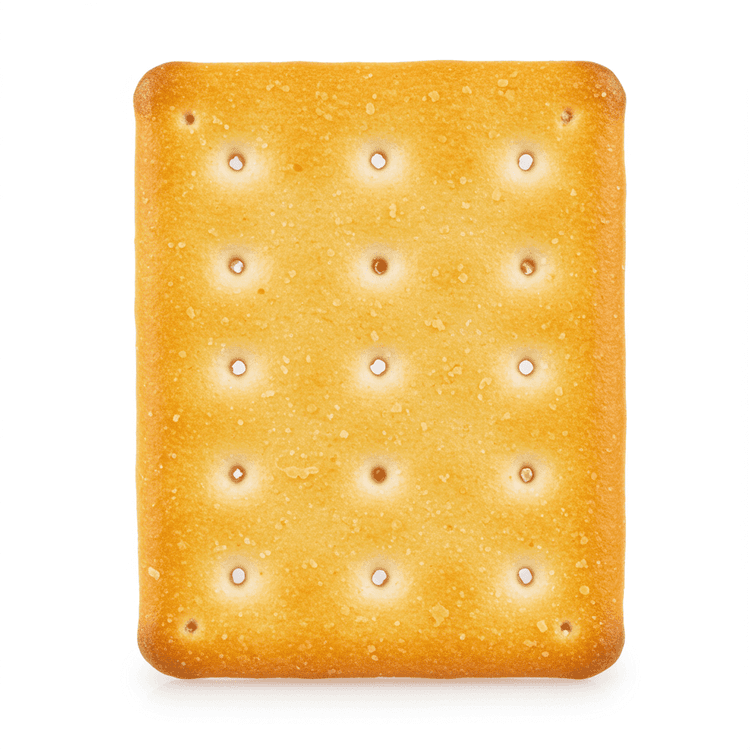
Crackers often get a bad rap, but they can actually play a valuable role in a balanced diet when chosen wisely. Think of them as a versatile canvas for healthy toppings or a satisfying complement to soups and salads. Let's explore how to navigate the world of crackers to make informed choices that support your well-being.
Many commercially available crackers are heavily processed and loaded with refined carbohydrates, sodium, and unhealthy fats. These types offer minimal nutritional value and can contribute to blood sugar spikes and weight gain. However, there are plenty of healthier options available. Look for crackers made with whole grains, such as whole wheat, rye, or oats. Whole grains provide fiber, which aids digestion, promotes satiety, and helps regulate blood sugar levels. Fiber also supports healthy cholesterol levels and can reduce the risk of chronic diseases like heart disease and type 2 diabetes.
Beyond whole grains, certain crackers are fortified with essential vitamins and minerals. Some may contain iron, which is crucial for energy production and oxygen transport, while others may be enriched with B vitamins, which play a vital role in nerve function and cell metabolism. Checking the nutrition label is key to identifying crackers that offer added nutritional benefits.
Crackers shine in their culinary versatility. They're the perfect base for appetizers. Top whole-grain crackers with avocado and a sprinkle of red pepper flakes for a healthy and satisfying snack. Spread cream cheese and smoked salmon on rye crackers for an elegant hors d'oeuvre. Pair them with a variety of cheeses and cured meats for a simple yet impressive charcuterie board. Crackers also add a delightful crunch to soups and salads. Crumble them on top of tomato soup for added texture and flavor, or use them as croutons in a Caesar salad. They can even be crushed and used as a breading for chicken or fish, providing a lighter alternative to traditional breadcrumbs.
Choosing the right crackers can be a smart way to incorporate more whole grains and fiber into your diet. This is especially important for those who may struggle to meet their daily fiber needs through other food sources. Fiber contributes to feelings of fullness, which can help with weight management and prevent overeating. Furthermore, crackers can be a convenient and portable snack, making them a practical option for busy individuals. Look for crackers with simple ingredient lists, minimal added sugars, and healthy fats like those found in olive oil or nuts. Avoid crackers made with hydrogenated oils or excessive amounts of sodium.
In conclusion, crackers aren't inherently unhealthy. It's all about making informed choices and selecting varieties that offer nutritional benefits. By prioritizing whole grains, fiber, and minimal processing, you can enjoy crackers as part of a balanced diet and reap the rewards of improved digestion, sustained energy levels, and overall well-being. So, the next time you're at the grocery store, take a closer look at the cracker aisle and discover the healthy and delicious options available. ||
Crackers are an essential part of a healthy diet, providing a wide range of nutrients and health benefits. Explore our collection of crackers ingredients.