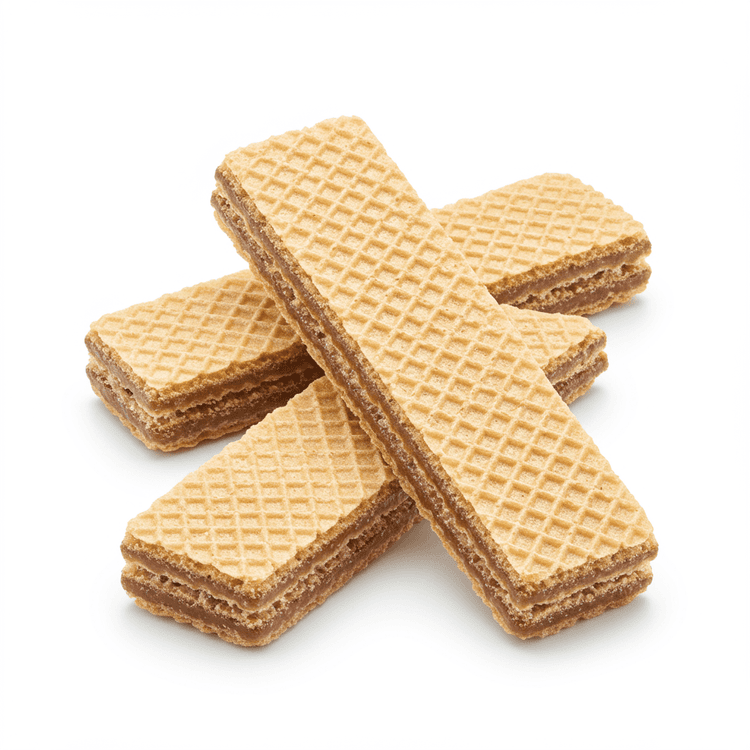
Cookies, those delightful morsels of baked goodness, occupy a unique space in our culinary landscape. While often associated with indulgence, understanding the ingredients and preparation methods can reveal a spectrum of nutritional profiles. The impact of cookies on your health largely depends on what goes into them. Traditional cookies are typically high in carbohydrates and fats, providing quick energy, but can also be sources of added sugars. However, healthier cookie variations, utilizing whole grains, nuts, seeds, and natural sweeteners, can contribute valuable fiber, healthy fats, and essential micronutrients to your diet.
From classic chocolate chip cookies to delicate macarons, the sheer variety is astounding. Cookies play a significant role in celebrations, comfort food, and quick snacks. Common culinary uses include enjoying them with milk or coffee, incorporating them into desserts like ice cream sandwiches or trifles, or even crumbling them as a topping for yogurt or parfaits. Many cultures have their own unique cookie traditions, reflecting regional ingredients and flavors. Baking cookies at home allows for complete control over the ingredients, enabling you to minimize processed sugars and unhealthy fats while maximizing nutritional value. Experimenting with different flours, such as oat flour or almond flour, can significantly increase the fiber and protein content.
The importance of cookies in a balanced diet is a matter of perspective and moderation. While a diet consisting solely of cookies would be detrimental, mindful inclusion can satisfy cravings without derailing overall health goals. Cookies can be a vehicle for incorporating beneficial ingredients like oats, which provide soluble fiber that aids in cholesterol reduction and digestive health. Nuts and seeds contribute healthy fats, protein, and essential minerals like magnesium and zinc. Dried fruits, used judiciously, can offer natural sweetness and fiber. When choosing or preparing cookies, focus on whole, unprocessed ingredients. Prioritize recipes that use less sugar and incorporate healthy fats from sources like nuts, seeds, or avocado oil.
Furthermore, homemade cookies offer an opportunity to control portion sizes, preventing overconsumption of less desirable ingredients. Reading nutrition labels carefully on commercially available cookies is crucial for making informed choices. Look for cookies with lower amounts of added sugars, saturated fats, and sodium, and higher amounts of fiber. Consider using natural sweeteners like honey, maple syrup, or dates in moderation when baking. The key is to enjoy cookies as an occasional treat within a balanced dietary framework, rather than a dietary staple. With careful selection and mindful consumption, cookies can be part of a healthy and enjoyable lifestyle, providing a small dose of happiness without compromising nutritional well-being. Remember, moderation and informed choices are your allies in navigating the world of cookies. ||
Cookie are an essential part of a healthy diet, providing a wide range of nutrients and health benefits. Explore our collection of cookie ingredients.