

Comfort Food
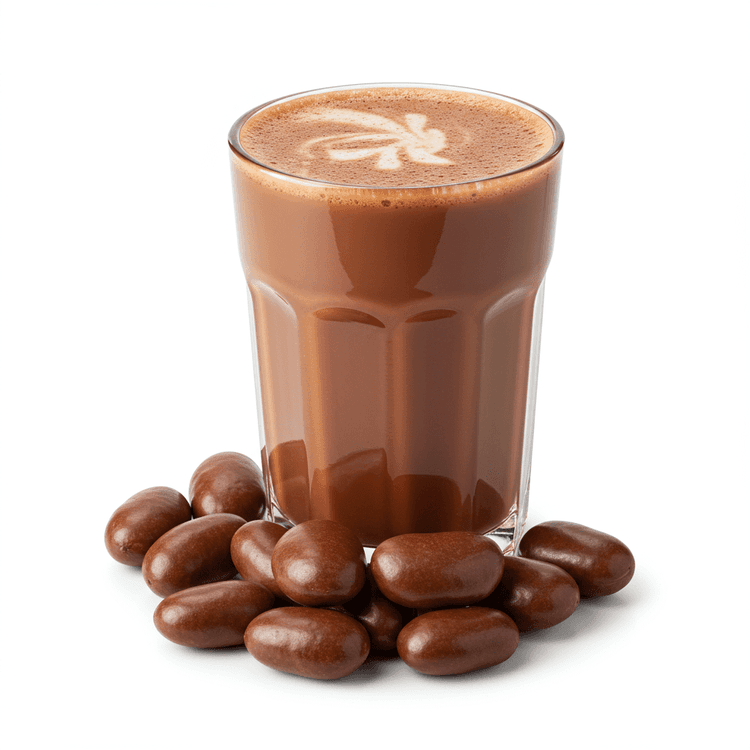
Comfort food: the name itself conjures images of warmth, satisfaction, and a sense of well-being. But beyond the emotional connection, what does comfort food offer nutritionally, and how can we incorporate it into a balanced diet? While often associated with indulgence and potentially less healthy choices, comfort food can be redefined to include wholesome, nourishing options that still provide that sought-after feeling of contentment.
Many comfort foods are rich in carbohydrates, providing a quick source of energy. Think of mashed potatoes, pasta dishes, or creamy soups – these often deliver readily available glucose to fuel our bodies and brains. Whole grains, used in dishes like hearty oatmeal or whole-wheat pasta casseroles, offer a slower-releasing source of energy and are packed with fiber, promoting digestive health and helping to regulate blood sugar levels. Fiber also contributes to a feeling of fullness, which can aid in weight management. Moreover, many comfort food staples can be excellent sources of essential vitamins and minerals. For example, root vegetables like sweet potatoes and carrots are loaded with Vitamin A, vital for vision and immune function. Leafy greens, often incorporated into soups or stews, are packed with Vitamin K, important for blood clotting and bone health, as well as folate, crucial for cell growth and development. Don't overlook the power of legumes like beans and lentils, frequently featured in chili, stews, and soups. These are excellent sources of plant-based protein, iron, and fiber, contributing to overall health and satiety.
Culinary uses for comfort food are incredibly diverse. From creamy macaroni and cheese to savory pot pies, the possibilities are endless. Consider classic dishes like chicken noodle soup, renowned for its soothing properties and often packed with nutritious vegetables and lean protein. Shepherd's pie, with its hearty ground meat and vegetable filling topped with mashed potatoes, offers a balanced combination of protein, carbohydrates, and vitamins. Pasta dishes, whether creamy Alfredo or a simple marinara, provide a customizable base for adding vegetables, lean meats, or seafood. Baking is also a key aspect of comfort food, from warm apple pies to gooey chocolate brownies. While some baked goods can be high in sugar and unhealthy fats, healthier alternatives can be created using whole grains, natural sweeteners like honey or maple syrup, and by reducing the amount of added sugar and butter. Cooking methods often involve slow simmering, baking, or stewing, allowing flavors to meld and deepen over time, creating dishes that are both flavorful and satisfying.
Comfort food plays a vital role in promoting overall well-being by providing not just physical nourishment, but also emotional support. The familiar flavors and textures can evoke positive memories and feelings of nostalgia, reducing stress and anxiety. However, it's crucial to strike a balance between indulging in comforting favorites and maintaining a healthy diet. By incorporating nutrient-rich ingredients, utilizing healthier cooking methods, and practicing mindful eating, we can enjoy the emotional benefits of comfort food without compromising our health. Comfort food doesn't have to be synonymous with unhealthy eating; it can be a delicious and nutritious part of a balanced lifestyle. It's about choosing wisely, savoring the experience, and recognizing the importance of both physical and emotional nourishment. Focus on using fresh, whole ingredients whenever possible, and don't be afraid to experiment with new flavor combinations to create comforting dishes that are both good for the soul and good for the body. || Comfort Food are an essential part of a healthy diet, providing a wide range of nutrients and health benefits. Explore our collection of comfort food ingredients.

Your recipes can talk now 👀
Save recipes from anywhere, and get answers, swaps, and help as you cook.


Get cooking with the Chefadora App.
Available now for early access users.


Marnirni-apinthi Building, Lot Fourteen,
North Terrace, Adelaide, South Australia, 5000
Australia
