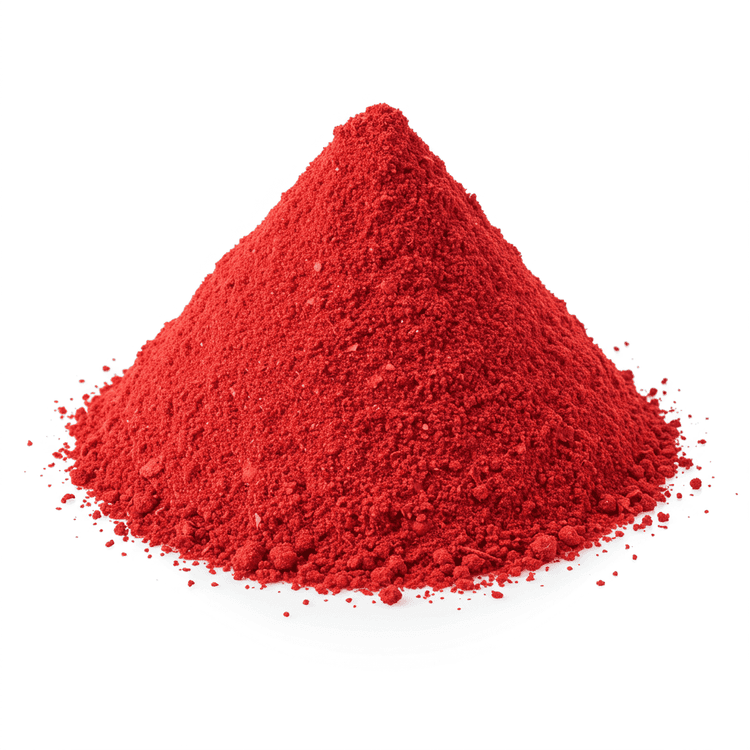
Coloring agents, often derived from natural sources like fruits, vegetables, and spices, or crafted synthetically, play a crucial role in making food visually appealing and stimulating our appetite. But beyond aesthetics, certain coloring agents offer surprising health benefits. For example, beta-carotene, found in carrots and sweet potatoes and used as a yellow-orange coloring, is a powerful antioxidant that converts to Vitamin A in the body, supporting vision, immune function, and cell growth. Anthocyanins, responsible for the vibrant reds, purples, and blues in berries, red cabbage, and purple carrots, are potent antioxidants linked to improved heart health and cognitive function. Beetroot, used as a natural red coloring agent, is rich in nitrates, which can improve blood flow and lower blood pressure. Turmeric, providing a bright yellow hue, contains curcumin, a compound known for its anti-inflammatory and antioxidant properties. While the primary function of coloring agents is visual enhancement, many contribute valuable nutrients and bioactive compounds to our diet.
Culinary uses of coloring agents are diverse and widespread. Saffron, derived from the saffron crocus flower, imparts a golden yellow color and unique flavor to dishes like paella and risotto. Annatto, extracted from achiote seeds, adds a reddish-orange tint to cheeses, rice dishes, and seasonings. Chlorophyll, the green pigment in plants, is sometimes used as a coloring agent, particularly in desserts and beverages. Synthetic coloring agents, while often controversial, are commonly used in processed foods, candies, and beverages to achieve consistent and vibrant colors. Chefs and home cooks alike utilize coloring agents to elevate the visual appeal of their creations, making them more enticing and enjoyable. They're used in everything from baking (cakes, cookies, icings) to savory dishes (sauces, marinades) to beverages (smoothies, cocktails).
Incorporating naturally-derived coloring agents into your diet is an easy way to boost your overall wellness. Choosing foods rich in natural pigments, such as colorful fruits and vegetables, provides not only visual appeal but also a wealth of essential vitamins, minerals, and antioxidants. For instance, paprika, a red spice made from dried peppers, adds a vibrant color and flavor while offering Vitamin C and carotenoids. Spinach, though primarily consumed for its leafy greens, can contribute a subtle green hue to smoothies or sauces, along with a dose of iron and Vitamin K. When using coloring agents, it's important to be mindful of potential allergens or sensitivities, and to opt for natural sources whenever possible. Prioritizing a balanced diet filled with a rainbow of naturally colored foods is a cornerstone of optimal health and well-being. The varied pigments found in these foods not only make our meals more visually appealing but also contribute to a diverse intake of beneficial phytonutrients, supporting a wide range of bodily functions and protecting against chronic diseases. Remember to read labels carefully and choose minimally processed options to maximize the nutritional benefits of these colorful additions to your diet. ||
Coloring Agent are an essential part of a healthy diet, providing a wide range of nutrients and health benefits. Explore our collection of coloring agent ingredients.