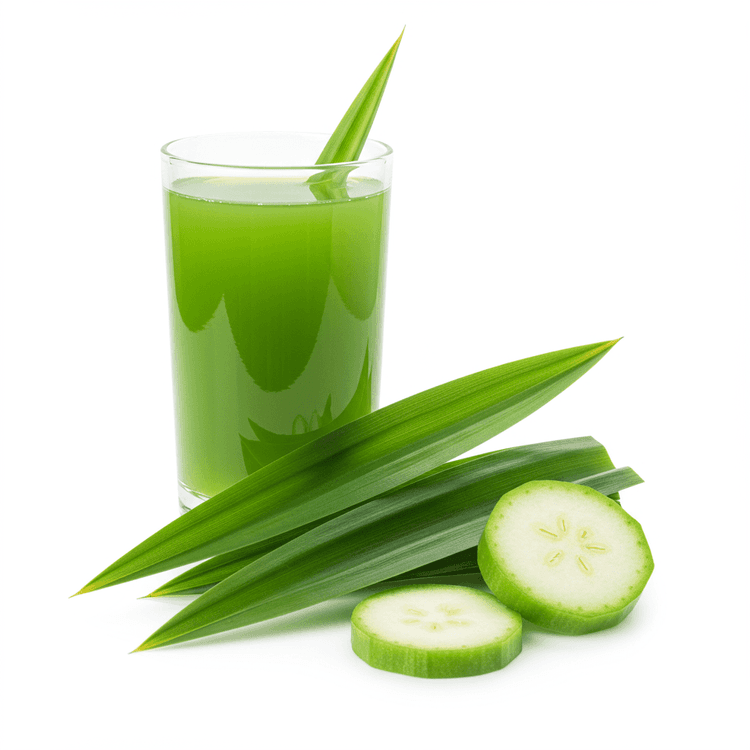
Coloring in food isn't just about making dishes visually appealing; it's often an indicator of a wealth of phytonutrients and antioxidants. Think vibrant berries, deep green leafy vegetables, and the radiant hues of spices – each color represents a unique set of health benefits. These natural pigments, whether from fruits, vegetables, or spices, contribute significantly to a balanced diet and overall wellness.
Red and pink hues, often derived from tomatoes, beets, and berries, are rich in lycopene and anthocyanins. Lycopene, a powerful antioxidant, is linked to reduced risk of certain cancers and heart disease. Anthocyanins, found in abundance in berries like blueberries, raspberries, and cranberries, are potent anti-inflammatory agents and may improve cognitive function. These colorful ingredients are commonly used in sauces, salads, smoothies, and desserts, adding not only visual appeal but also a boost of protective compounds.
Orange and yellow pigments, prominent in carrots, sweet potatoes, pumpkins, and turmeric, signal high levels of beta-carotene and curcumin. Beta-carotene is a precursor to vitamin A, essential for vision, immune function, and cell growth. Curcumin, the active compound in turmeric, is a powerful anti-inflammatory and antioxidant with potential benefits for brain health and arthritis. These ingredients are versatile culinary staples, finding their way into soups, stews, curries, roasted vegetable dishes, and even baked goods, offering a vibrant color and a wealth of health benefits.
Green foods, like spinach, kale, broccoli, and green beans, are packed with chlorophyll, vitamins, and minerals. Chlorophyll, the pigment responsible for their vibrant color, has antioxidant properties and may support detoxification. Green vegetables are also excellent sources of folate, vitamin K, and fiber, all crucial for various bodily functions, including cell growth, blood clotting, and digestive health. From salads and stir-fries to smoothies and sides, green vegetables are essential components of a healthy diet, providing a diverse range of nutrients and promoting overall well-being.
Purple and blue foods, such as eggplant, purple cabbage, and plums, owe their color to anthocyanins, similar to those found in red berries. These antioxidants protect against cellular damage and may improve cardiovascular health. Purple vegetables and fruits are often used in salads, slaws, jams, and preserves, adding a unique color and flavor profile while delivering a dose of beneficial compounds.
Beyond their visual appeal, colorful foods play a crucial role in a balanced diet. They provide a wide array of vitamins, minerals, antioxidants, and fiber, all essential for optimal health. Including a rainbow of colors in your meals ensures that you are getting a diverse range of nutrients, supporting your immune system, protecting against chronic diseases, and promoting overall well-being. Remember to choose whole, unprocessed colorful foods whenever possible to maximize their nutritional benefits. Exploring different cooking methods, such as roasting, steaming, or grilling, can also enhance the flavor and retain the nutrients of these colorful culinary treasures. ||
Coloring are an essential part of a healthy diet, providing a wide range of nutrients and health benefits. Explore our collection of coloring ingredients.