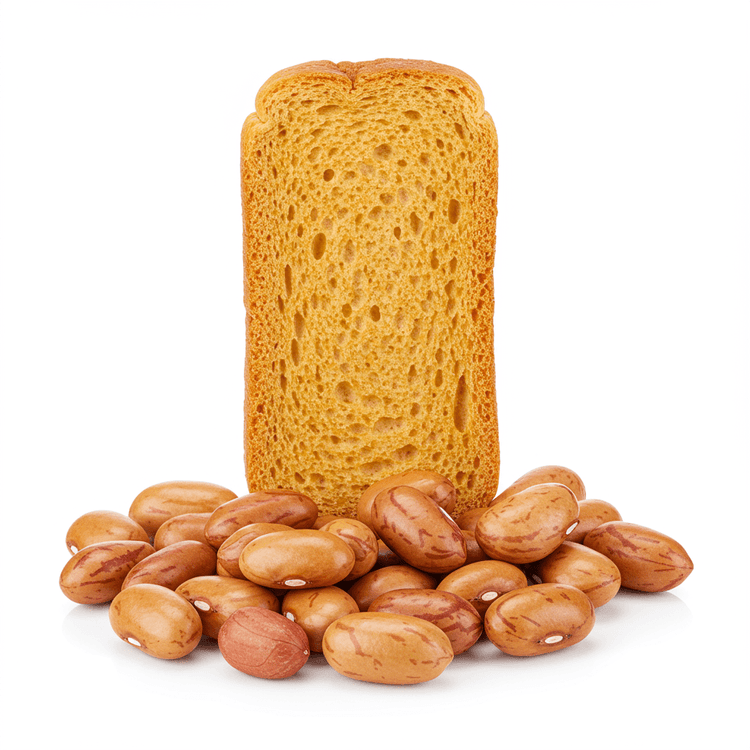
Bread products, a staple in many cultures worldwide, offer more than just a foundation for sandwiches and toast. Understanding the nutritional landscape of bread, from whole grains to enriched varieties, can empower you to make informed choices that contribute to a balanced diet and overall well-being.
Whole grain breads, in particular, stand out for their impressive health benefits. These breads retain the bran, germ, and endosperm of the grain, providing a wealth of fiber. Fiber aids in digestion, promotes satiety, and helps regulate blood sugar levels. Regular consumption of whole grain bread is associated with a reduced risk of heart disease, type 2 diabetes, and certain cancers. Look for breads with labels that clearly state "100% whole wheat" or list whole grains as the primary ingredient.
Beyond fiber, whole grain breads are also a source of essential vitamins and minerals. They often contain B vitamins, crucial for energy metabolism, as well as magnesium, iron, and selenium, all vital for various bodily functions. Some whole grain breads are also fortified with folic acid, an important nutrient for women of childbearing age. The antioxidant properties found in the bran and germ also contribute to overall health by combating free radicals.
From a culinary perspective, bread products are incredibly versatile. They form the base for countless sandwiches, from classic PB&Js to gourmet paninis. Breadcrumbs can add texture and flavor to baked dishes and casseroles. Toast, a simple yet satisfying snack, can be topped with avocado, eggs, or nut butter for a nutritious boost. Many cultures feature unique bread-based dishes, such as focaccia in Italy, naan in India, and sourdough in San Francisco. Different flours, like rye, spelt, or even gluten-free options, offer diverse flavors and textures to explore in baking.
Enriched white bread, while less nutrient-dense than whole grain options, is often fortified with iron and B vitamins to compensate for nutrients lost during processing. While it lacks the fiber of whole grains, it can still be a part of a balanced diet when consumed in moderation. Choosing breads with lower added sugar and sodium is always advisable.
In conclusion, bread products offer a range of nutritional and culinary possibilities. By prioritizing whole grain varieties and being mindful of portion sizes and added ingredients, you can harness the benefits of bread as part of a healthy and satisfying dietary pattern. The fiber, vitamins, and minerals found in whole grain breads contribute to digestive health, energy levels, and overall well-being, making them a valuable addition to a balanced diet. Explore the diverse world of bread, experiment with different flours and recipes, and enjoy the simple pleasure of a well-made slice. ||
Bread Products are an essential part of a healthy diet, providing a wide range of nutrients and health benefits. Explore our collection of bread products ingredients.