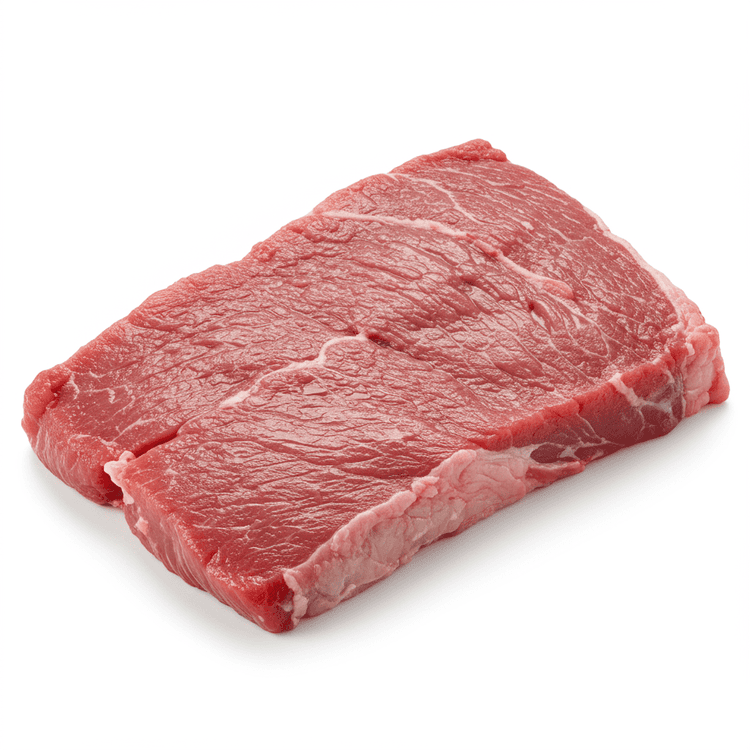
Beef and veal, staples in cuisines worldwide, offer a rich source of essential nutrients that contribute significantly to overall health and well-being. While often discussed in terms of protein, the benefits extend far beyond muscle building.
Beef is particularly renowned for its high protein content, crucial for tissue repair, enzyme production, and hormone regulation. Beyond protein, it is an excellent source of readily absorbable heme iron, essential for preventing iron-deficiency anemia and supporting healthy blood cell production. This is especially important for women, children, and individuals with increased iron needs. Moreover, beef delivers substantial amounts of zinc, vital for immune function, wound healing, and cell growth. Zinc deficiency can lead to impaired immune responses and increased susceptibility to infections. The B vitamins, especially vitamin B12, abundant in beef, play a critical role in nerve function, DNA synthesis, and energy metabolism. A lack of B12 can result in fatigue, weakness, and neurological problems. Furthermore, beef contains creatine, naturally enhancing muscle performance and strength, and carnosine, an antioxidant that may help protect against age-related diseases.
Veal, derived from young calves, offers a leaner alternative to some cuts of beef. It retains many of the same nutritional benefits, including high-quality protein, iron, and B vitamins, but often with fewer calories and less fat. This can be advantageous for individuals seeking to manage their weight or reduce their saturated fat intake while still enjoying the nutritional power of red meat.
Culinary uses for beef and veal are incredibly diverse. Beef can be grilled into steaks, roasted for Sunday dinners, ground into burgers and meatballs, stewed for hearty comfort food, or thinly sliced for stir-fries. Popular dishes include classic steak frites, beef bourguignon, chili con carne, and Korean bulgogi. Veal is often prepared using methods that highlight its delicate flavor, such as pan-frying into schnitzel, braising in white wine sauces like veal blanquette, or grilling as medallions. Both beef and veal can be incorporated into tacos, enchiladas, and various other dishes, showcasing their versatility.
Incorporating moderate portions of lean beef or veal into a balanced diet offers unique nutritional advantages. The high concentration of bioavailable iron and zinc is particularly valuable, as these nutrients are often less readily available in plant-based sources. While it's important to choose leaner cuts and consider portion sizes to manage saturated fat intake, beef and veal contribute valuable protein, vitamins, and minerals that support energy levels, immune function, and overall health. Remember to balance your consumption with plenty of fruits, vegetables, and whole grains to ensure a complete and well-rounded dietary approach. When selecting beef or veal, opt for grass-fed or organic options whenever possible to minimize exposure to antibiotics and hormones and maximize nutritional benefits. ||
Beef & Veal are an essential part of a healthy diet, providing a wide range of nutrients and health benefits. Explore our collection of beef & veal ingredients.