Baking supplies encompass a vast array of ingredients and tools essential for creating delectable treats, from simple cookies to elaborate cakes. Understanding the nutritional contribution and versatility of these ingredients is crucial for both health-conscious bakers and passionate food enthusiasts.
Flour, the foundation of many baked goods, comes in various forms, each offering unique benefits. Whole wheat flour, rich in fiber, promotes digestive health and provides sustained energy. Fiber also contributes to feelings of fullness, aiding in weight management. All-purpose flour, while lower in fiber, offers a lighter texture suitable for cakes and pastries. Alternative flours like almond flour, a great source of healthy fats and protein, or coconut flour, high in fiber and gluten-free, cater to dietary restrictions and offer distinct nutritional profiles.
Sweeteners, such as granulated sugar, brown sugar, honey, and maple syrup, add flavor and moisture to baked goods. While sugar provides quick energy, it's important to use it in moderation. Natural sweeteners like honey and maple syrup contain antioxidants and trace minerals, offering a slight nutritional edge. Consider using fruit purees or applesauce to naturally sweeten recipes and reduce refined sugar content.
Leavening agents, including baking soda and baking powder, are vital for creating light and airy textures. These ingredients react with moisture and acidity to produce carbon dioxide, causing baked goods to rise. They don't significantly contribute to the nutritional profile but are essential for the desired outcome.
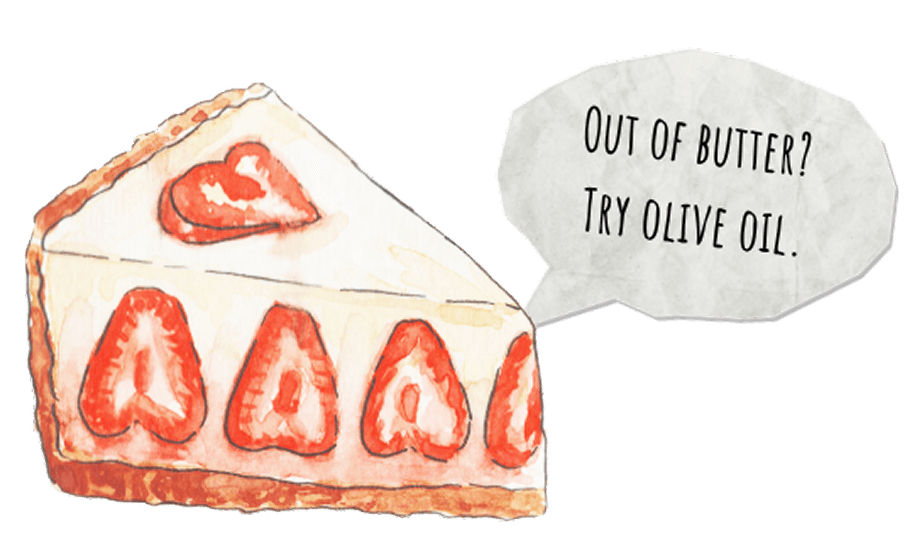
Fats, such as butter, oil, and shortening, contribute to the richness, tenderness, and flavor of baked goods. Butter, derived from dairy, provides a source of fat-soluble vitamins like A, D, E, and K, though it's also high in saturated fat. Plant-based oils like olive oil or coconut oil offer healthier unsaturated fats. Incorporating nuts and seeds, which are rich in healthy fats, protein, fiber, and antioxidants, can enhance the nutritional value and texture of baked creations.
Spices and extracts, such as vanilla extract, cinnamon, nutmeg, and cocoa powder, add depth and complexity to baked goods. Many spices possess antioxidant and anti-inflammatory properties. Cocoa powder, derived from cacao beans, is a rich source of flavanols, which have been linked to improved heart health.
Baking provides an opportunity to control the ingredients and nutritional content of your treats. By choosing whole grains, natural sweeteners, healthy fats, and nutrient-rich additions like fruits, nuts, and seeds, you can create delicious and wholesome baked goods that contribute to a balanced diet. Baking is important because it allows you to be creative in the kitchen while also ensuring the quality and nutritional value of what you consume. Whether you're whipping up a batch of whole wheat muffins, a gluten-free cake, or a batch of decadent chocolate chip cookies, understanding the role of each baking supply is key to achieving delicious and healthy results. ||
Baking Supply are an essential part of a healthy diet, providing a wide range of nutrients and health benefits. Explore our collection of baking supply ingredients.