Bakery items, a cornerstone of many culinary traditions, encompass a wide variety of goods from breads and pastries to cakes and cookies. While often enjoyed for their delicious flavors and textures, understanding the nutritional profile of bakery products is essential for maintaining a balanced diet and overall wellness. Not all bakery items are created equal; some offer valuable nutrients, while others should be consumed in moderation.
Let's start with the positive. Whole grain breads, for instance, are a good source of fiber, which aids digestion, promotes satiety, and helps regulate blood sugar levels. They also contain B vitamins, crucial for energy metabolism, and minerals like iron and magnesium. Sourdough bread, due to its fermentation process, may be easier to digest and have a lower glycemic index than other types of bread. Many breads can be a good source of carbohydrates which are the body's primary source of energy. Nuts and seeds added to breads or muffins provide healthy fats, protein, and additional vitamins and minerals.
Bakery items are incredibly versatile in the kitchen. Bread is a staple for sandwiches, toast, and croutons, while pastries like croissants and muffins are perfect for a quick breakfast or snack. Cakes and cookies are often the centerpiece of celebrations and gatherings. Different baking methods, such as baking, roasting, and grilling, can be used to prepare bakery goods. For example, breads are typically baked, while cookies can be baked or fried. Many bakery products can also be enjoyed in different forms; stale bread can be used to make breadcrumbs, and leftover cake can be transformed into cake pops.
However, it's important to be mindful of the ingredients in many commercially produced bakery items. Refined white flour, commonly used in cakes, cookies, and some breads, is lower in fiber and nutrients than whole grain flour. Many bakery products are also high in added sugars, saturated fats, and sodium, which can contribute to weight gain, heart disease, and other health problems. Portion control is key when enjoying these treats.
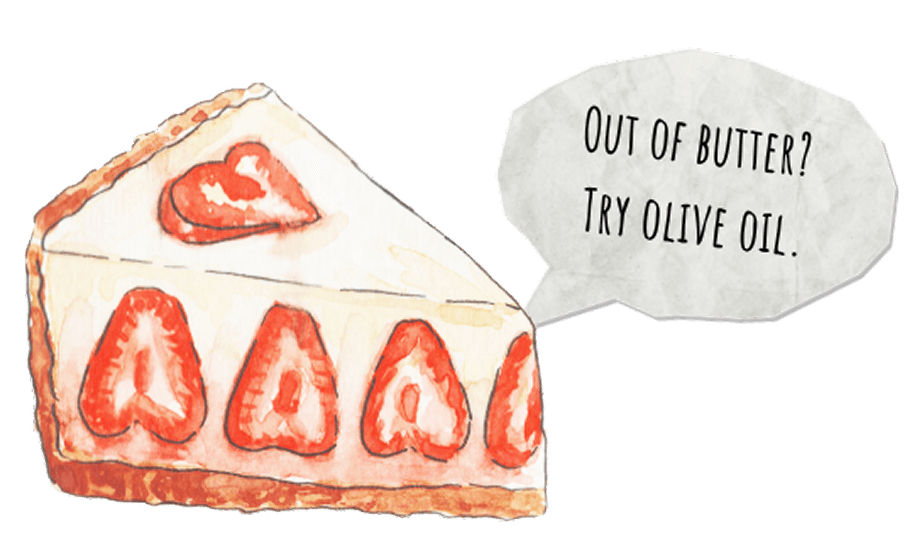
Integrating bakery items into a balanced diet requires conscious choices. Opting for whole grain versions, limiting added sugars, and paying attention to portion sizes can allow you to enjoy the flavors and textures of bakery goods without compromising your health. Choosing bakery items made with healthier fats like olive oil or incorporating fruits, vegetables, or nuts can also enhance their nutritional value. Making your own bakery items at home provides greater control over ingredients and allows you to experiment with healthier alternatives. Furthermore, considering naturally sweetened recipes that make use of things like dates, bananas, or other fruits can limit the need for refined sugars and syrups.
Ultimately, bakery items can be a part of a balanced diet when consumed mindfully and in moderation. By prioritizing whole grain options, limiting added sugars and unhealthy fats, and incorporating nutrient-rich ingredients, you can enjoy the pleasures of baking while nourishing your body. ||
Bakery are an essential part of a healthy diet, providing a wide range of nutrients and health benefits. Explore our collection of bakery ingredients.