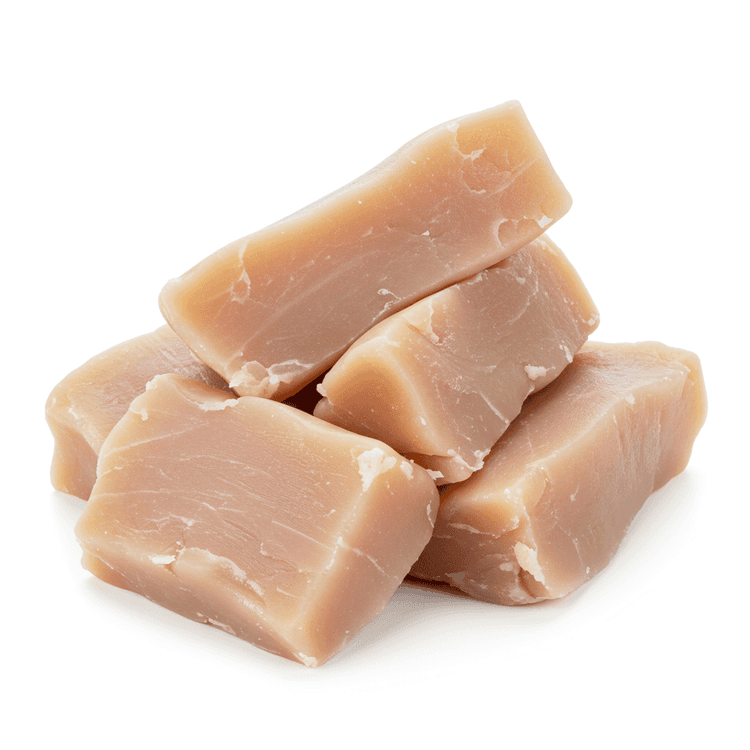
Animal fats, often misunderstood, play a crucial role in both culinary traditions and human health. From rendering flavorful tallow to creating crispy confit, these fats have been integral to cooking for centuries. Understanding their composition and benefits allows for informed choices in the kitchen and a more balanced approach to nutrition.
One of the primary benefits of certain animal fats is their contribution of fat-soluble vitamins. Lard, tallow, and butter, for example, contain vitamins A, D, E, and K2. Vitamin A is essential for vision, immune function, and cell growth. Vitamin D regulates calcium absorption and bone health. Vitamin E acts as an antioxidant, protecting cells from damage. Vitamin K2, often overlooked, plays a vital role in blood clotting and bone metabolism, especially in directing calcium to the right places in the body. These vitamins are more readily absorbed when consumed with fat, making animal fats an effective delivery system.
Beyond vitamins, some animal fats, particularly those from grass-fed animals, contain conjugated linoleic acid (CLA). CLA is a fatty acid with potential health benefits, including improved insulin sensitivity, reduced inflammation, and even anti-cancer properties, although more research is needed. Furthermore, animal fats provide essential fatty acids like omega-3 and omega-6 in varying ratios, contributing to overall health and well-being.
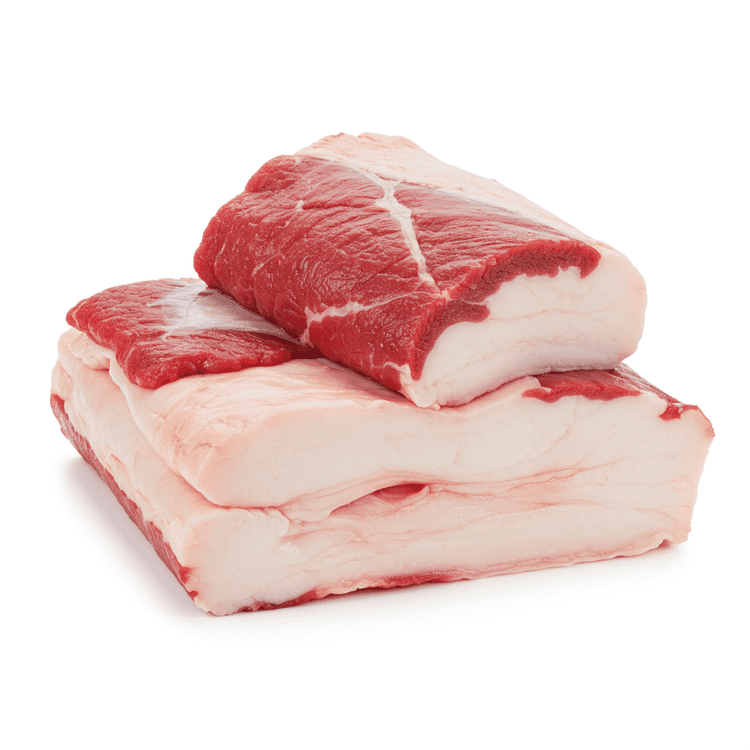
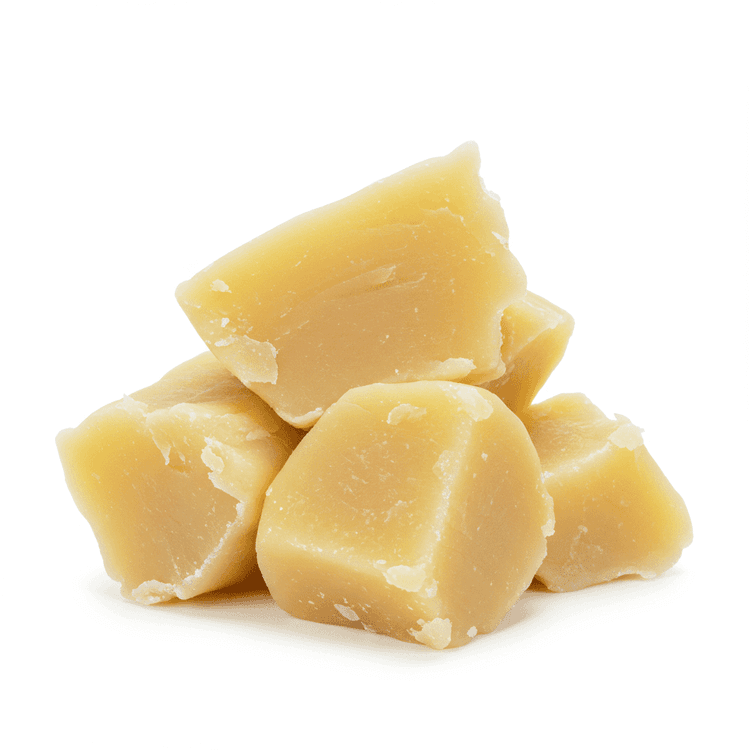
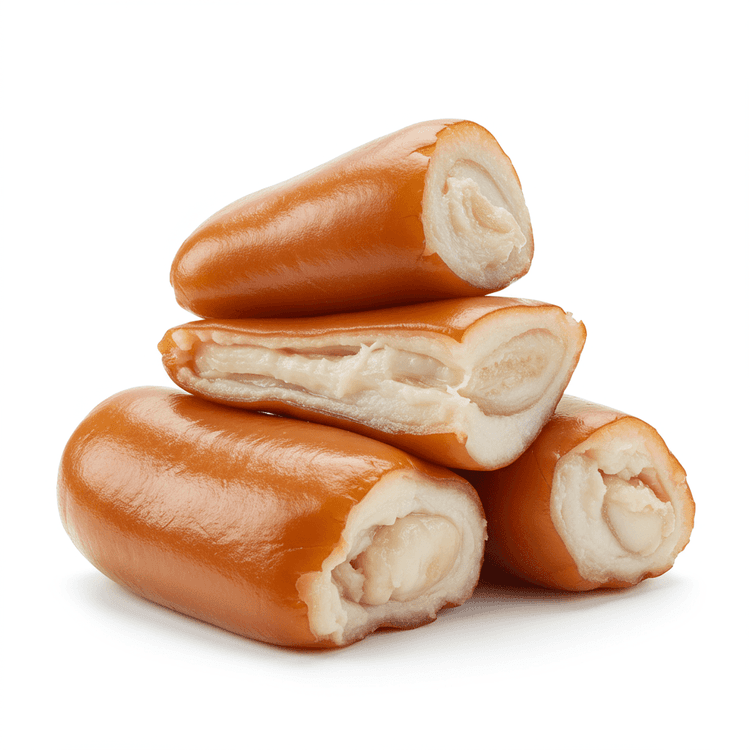
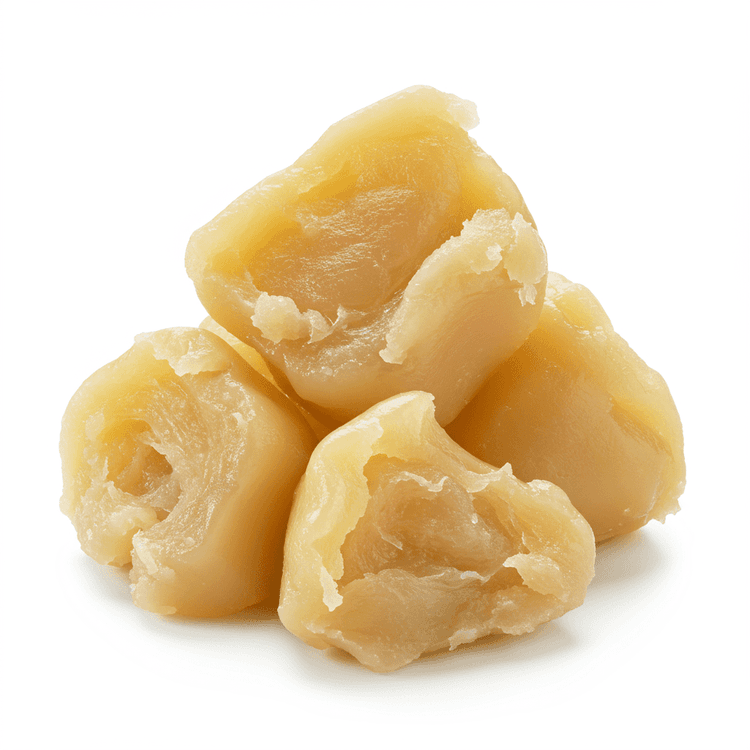
In the kitchen, animal fats offer unique culinary advantages. Tallow, rendered beef fat, has a high smoke point, making it ideal for deep frying and searing. It imparts a rich, savory flavor to dishes like French fries, steak, and Yorkshire pudding. Lard, rendered pork fat, is prized for its ability to create flaky pie crusts and tender baked goods. Duck fat, known for its decadent flavor, is perfect for confit, roasting potatoes, and adding depth to sauces. Butter, a dairy-based animal fat, is essential for baking, sautéing, and finishing dishes with its creamy texture and rich taste. Each fat imparts a distinct flavor profile, enhancing the overall culinary experience.
Dishes featuring animal fats are diverse and culturally significant. Consider the crispy-skinned roast chicken using rendered chicken fat, the flavorful carnitas simmered in lard, or the delicate pastries made with butter. From classic French cuisine to traditional dishes around the world, animal fats have shaped culinary landscapes. Understanding the properties of each fat allows for creative and delicious experimentation in the kitchen.
Animal fats should be consumed in moderation as part of a balanced diet. While they offer valuable nutrients and culinary benefits, they are also high in saturated fat. Choosing fats from healthy, pasture-raised animals can improve their nutritional profile. Integrating a variety of fats, including those from plant sources like olive oil and avocados, ensures a comprehensive intake of essential nutrients. Ultimately, incorporating animal fats thoughtfully can contribute to both a satisfying culinary experience and a well-rounded, nutrient-rich diet. ||
Animal Fat are an essential part of a healthy diet, providing a wide range of nutrients and health benefits. Explore our collection of animal fat ingredients.