We use cookies on this website to ensure its proper functioning and to improve the quality of our services. Cookie Policy

GMOs, or genetically modified organisms, are the new gossip subject for the food world. Everyone is wondering whether they are safe and sustainable. While research suggests there is no reason to worry, many individuals still claim the opposite. So what is it? What is the truth behind GMOs—should we fear them? Let’s find out.
When an organism’s genetic material is altered using genetic engineering techniques, it is called a genetically modified organism or GMO. In simple terms, GMOs are organisms that do not occur naturally; instead, they are a result of human intervention. Despite this sounding like a recent development, GMOs have been around us for more than 20 years now. Some of the most common animals, plants, and microorganisms are genetically modified, like Pink flesh pineapples and Golden Rice.
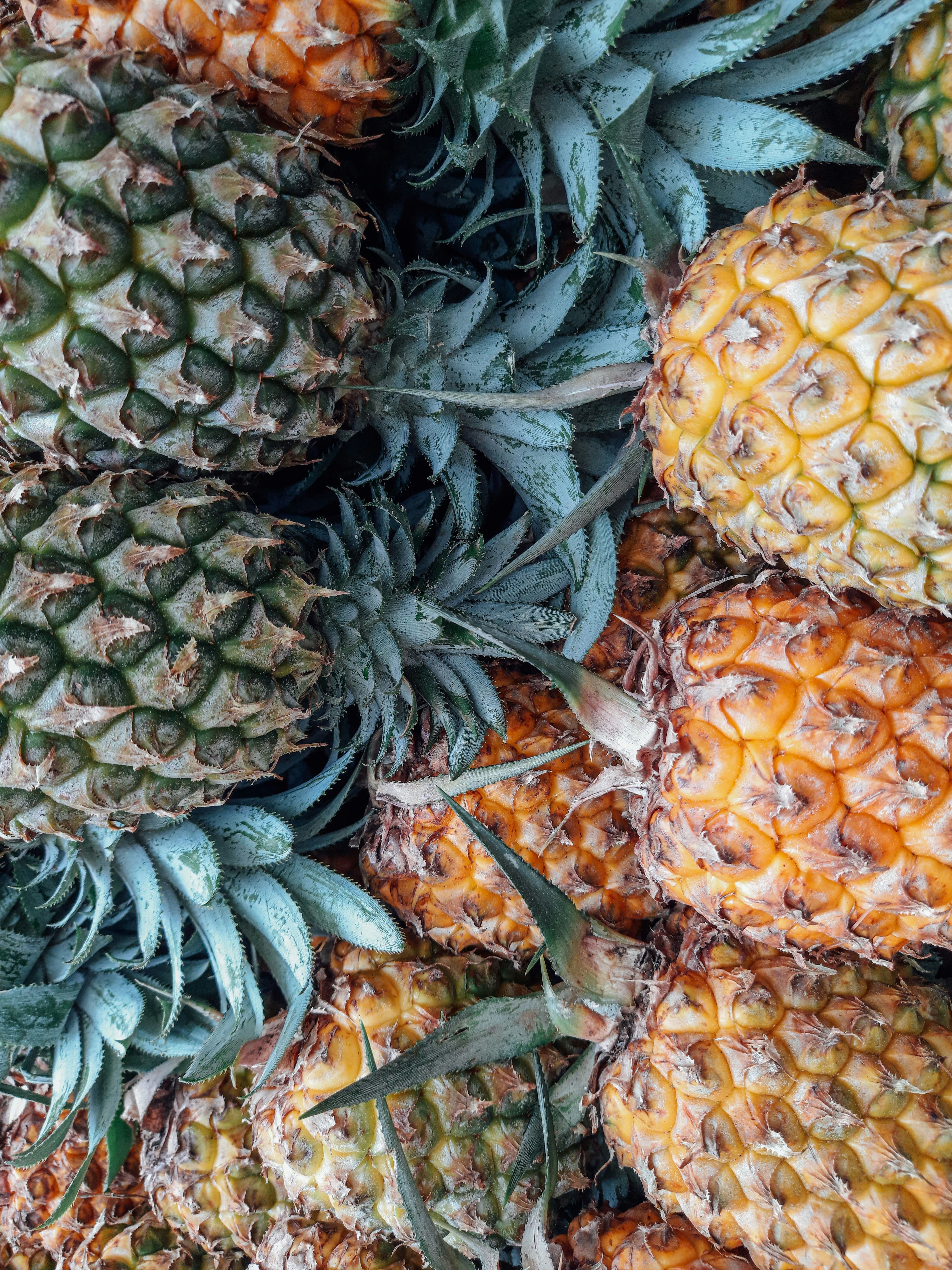
Pink Pineapples are genetically modified to alter their appearance.
Genetic modifications in animals, plants, and microorganisms are done with the aim of achieving specific desirable traits like pest resistance, faster growth, or improved nutritional value. In the last decade, several crops have undergone genetic modifications for various purposes.
Corn has been modified for increased pest resistance and herbicide tolerance and is one of the most widely grown GMO crops. Wild salmon naturally has a slow growth rate, making the supply difficult. GMO salmon are modified to grow faster to fill this gap in the demand-supply chain. Yeast, used in baking, brewing, and other household purposes, was genetically modified to achieve specific traits like faster fermentation.
88% of GM crops are modified to be herbicide tolerant.
While the benefits of GMOs have boosted their application in the agricultural industry, questions about their potential side effects from long-term use and potential impact on the environment have arisen. As GMOs become more common, people have expressed their fear and hesitation towards them. There are several reasons behind this feeling. Most people don’t understand how or why genetic engineering is done, which leads to insecurity about its use. To many people, GMOs seem unnatural. They view human interference in the genetic structure of an organism as an act against nature. People often believe that naturally grown crops are the safest and healthiest. While this may be true, they often miss the fact that it is extremely difficult to feed 8.2 billion people naturally grown crops.

As of recent years, over 70% of global soybean, cotton, and corn production comes from GM crops, especially in countries like the United States, Brazil, and Argentina.
Most people do not understand how farming works. It is an extremely difficult process with too many variables impacting the crop. They argue that our planet has sustained itself so far on naturally grown crops, so why go the GMO route? What they don’t consider is that neither the population today is not the same as it has always been, nor the weather is. Global warming and climate change have impacted the world in so many ways that many areas that used to grow a certain crop 100 years ago can’t do that anymore, simply because the climate isn't favorable.
Genetically engineered crops designed for mass production are what make sustaining the food requirements of such a large population possible. While naturally grown crops are still a thing, the uncertainty attached to their yield is a major block when it comes to maintaining a stable supply of the crop. There is a plethora of misinformation circulating about GMOs often fueled by people who benefit from it. Fear spreads faster than facts. Many media outlets use this strategy to gain an audience. Organizations that claim to sell “organic” products, add to this misbelief to push their product sale. Various factors like these have come together to demonize GMOs.
GMOs are advantageous to not only the grower but also the consumer. Genetic modifications offer many benefits to the organisms, some of which are:
Pest Resistance: One of the major reasons why crops are genetically modified is so that they can become resistant to pests and insects that often ruin the crop. This also leads to less chemical substance exposure to the crop as the need for pesticides is diminished.
Improved Nutritional Value: GMO crops can be engineered to contain higher levels of nutrients. This is truly beneficial as it is difficult for the general population to access essential nutrients, like vitamins and minerals. One of the best examples of this is the golden rice. It is a genetically modified rice type that is high in Vitamin A and helps prevent blindness, especially in regions where local diets lack the vitamin.

Some GM crops, such as drought-tolerant maize, are designed to withstand water scarcity, helping farmers maintain yields in regions prone to drought.
Faster Growth: Some GM crops are modified to grow more quickly than conventional crops. This modification is helping meet the food demands and eliminating food scarcity. This is a great advantage that genetic modification provides.
Enhanced Flavour and Aesthetic: Some GMOs carry enhanced flavor and aesthetic appeal due to the modifications. Like the arctic apples that resist browning. This leads to the apples maintaining their appearance for a longer duration, in turn reducing food waste. Pink Pineapples are aesthetically pleasing with their vibrant pink color and they even have a sweeter taste compared to traditional pineapples.
While GMOs offer a range of benefits, it is important to note that there are some valid concerns attached to them as well.
The side effects of Herbicide Tolerance: As we know, 88% of GM crops are modified to be herbicide tolerant. This is really beneficial for weed management. Herbicides target weeds without harming the crops. These weeds often compete with the plants for sunlight, nutrients, and water, while they also cause the breaking of soil when the weeds are pulled out. All of these impact the natural growth of the crop. With the help of herbicides, these problems are avoided, however, this has led to the emergence of another issue: Superweed. These herbicide-resistant weeds continue to infest the crop fields and drain the nutrients from these crops. This leads to farmers using harsher herbicides to control them. Excessive use of herbicides has also raised health concerns.
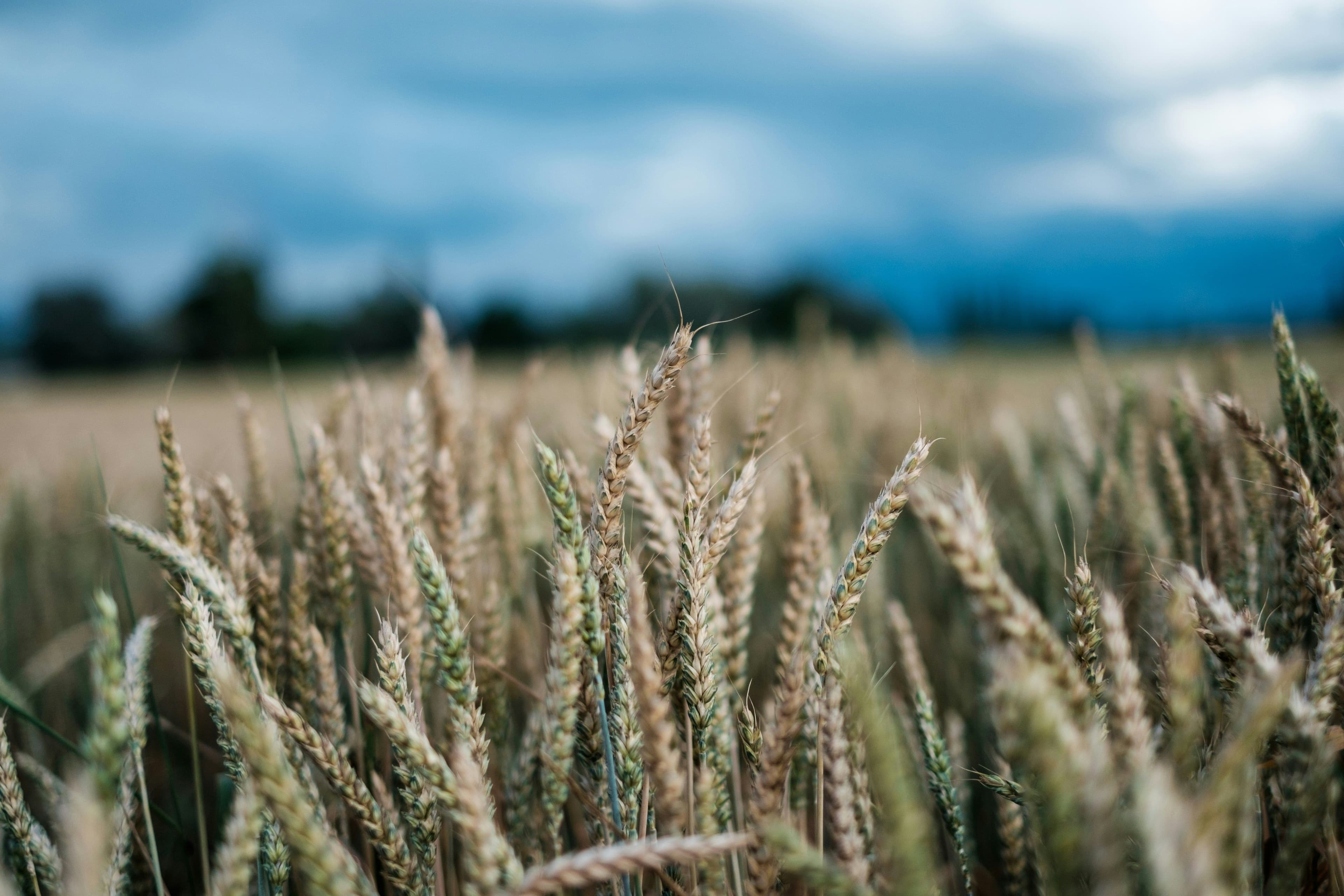
The first commercially grown GM crop was the Flavr Savr tomato, approved in 1994.
Risks of cross-contamination: GMO crops may cross-breed or cross-pollinate with wild or conventional crops. This might impact the natural biodiversity and potentially cause problems we are not aware of yet.
Potential loss of biodiversity: Excessive dependence on GMOs can imbalance the natural biodiversity of our planet. This might lead to the loss of some of the natural species of plants and animals. If not threaded with care, GMOs might pose a negative impact on insects and other species.
Myth or Fact?
In this section, we will look at some of the most common beliefs regarding GMOs and see if they are true or not:
All GMOs are harmful to health. **Myth.**GMOs that are approved for consumption go through scientific testing before their approval. These test results ensure the safety of GMOs.
GM crops are as safe as conventional crops. Fact. Many people fear the risk of allergic reactions caused by GMO crops, but conventional crops can cause allergic reactions too. So, yes, GM crops are as safe as conventional crops.
GMOs result in higher crop yield. Fact. Several GMOs are designed to increase crop yield, helping to meet growing food demands.
GMOs can cause cancer. Myth. There is no evidence yet that supports this claim that GM crops potentially increase the risk of cancer. Many people have this fear as cancers are caused by DNA mutations, and GMOs are developed through genetic modification aka changing the DNA, but this is just a myth.
The Bottom line
Most foods that we consume today are in some way or other genetically modified. GMOs have made growing crops easier and cost-effective, resulting in greater yields for the farmer and cheaper purchases for the consumers. These were some areas where agriculture has struggled for ages.
So far, the studies ensure that GMOs are safe for use. However, future discoveries might change this. Although genetic modification in crops is not a new thing, mass production of GMO crops is relatively new, so research is still ongoing. Regardless, of the controversies surrounding it, there is no evidence of GMO foods being harmful to human health.
Updated on 24 Jul 2025

Save recipes from anywhere, and get answers, swaps, and help as you cook.


