We use cookies on this website to ensure its proper functioning and to improve the quality of our services. Cookie Policy

The human gut is an extremely important organ, playing a crucial role in our overall health. Recently, emerging research suggests that gut health also has a significant impact on cancer prevention. Inflammation is one of the leading causes of such risks. A well-balanced gut microbiome helps regulate inflammation, which, when chronic, can increase the risk of cancer development. This article explores how maintaining a healthy gut can lower chronic inflammation and, in turn, reduce the likelihood of developing cancer.
There is a diverse community of microorganisms living in our digestive tract, together they make the gut microbiome. These microorganisms include bacteria, fungi, parasites, and viruses. These helpful microbes protect us from the harmful ones. They aid in breaking down food, recovering essential nutrients, and supporting our immune function. They also help influence cognitive function, mood regulation, and stress responses as highlighted by a recent study on the gut and brain connection.
When our gut health is compromised due to poor diet, stress, antibiotics, or environmental factors, the balance of gut bacteria is disrupted, leading to an imbalance known as Dysbiosis. This dysbiosis can cause various health issues, including chronic inflammation, which is a significant risk factor for cancer.
Inflammation is the body’s natural recovery response to tissue injury. However, when inflammation becomes chronic, it can try to heal an injury that never existed and grow cells that were never needed. This process over time can lead to DNA damage and cancer. Several cancers, including colorectal, stomach, liver, and pancreatic cancer, have been linked to chronic inflammation and poor gut health.
Gut health plays a significant role in many cancer types. Poor gut health can lead to the following types of cancer—Colorectal Cancer is caused due to dysbiosis and chronic inflammation in the colon. The chances of Liver Cancer increase when there is a compromised gut barrier. This can lead to liver inflammation and increase liver cancer risk. Poor gut health can also lead to Stomach Cancer and Pancreatic Cancer.
Cancer symptoms may differ based on what part of the body is affected, but there are some common symptoms that occur irrespective of the body part affected. These symptoms only hint at a possible existence of cancer.

Sudden weight loss, especially without changes in diet or exercise, may indicate underlying health conditions like cancer, thyroid disorders, or diabetes.
- Endless Fatigue
- Unexpected Weight loss or gain
- A shift in bowel or bladder habits
- Unexplained fevers or night sweats
- Lumps or swelling in the body
Eating a nutrient-rich, anti-inflammatory diet is one of the most effective ways to promote a healthy gut and lower cancer risk. Here is what a Cancer Fighting Diet looks like:
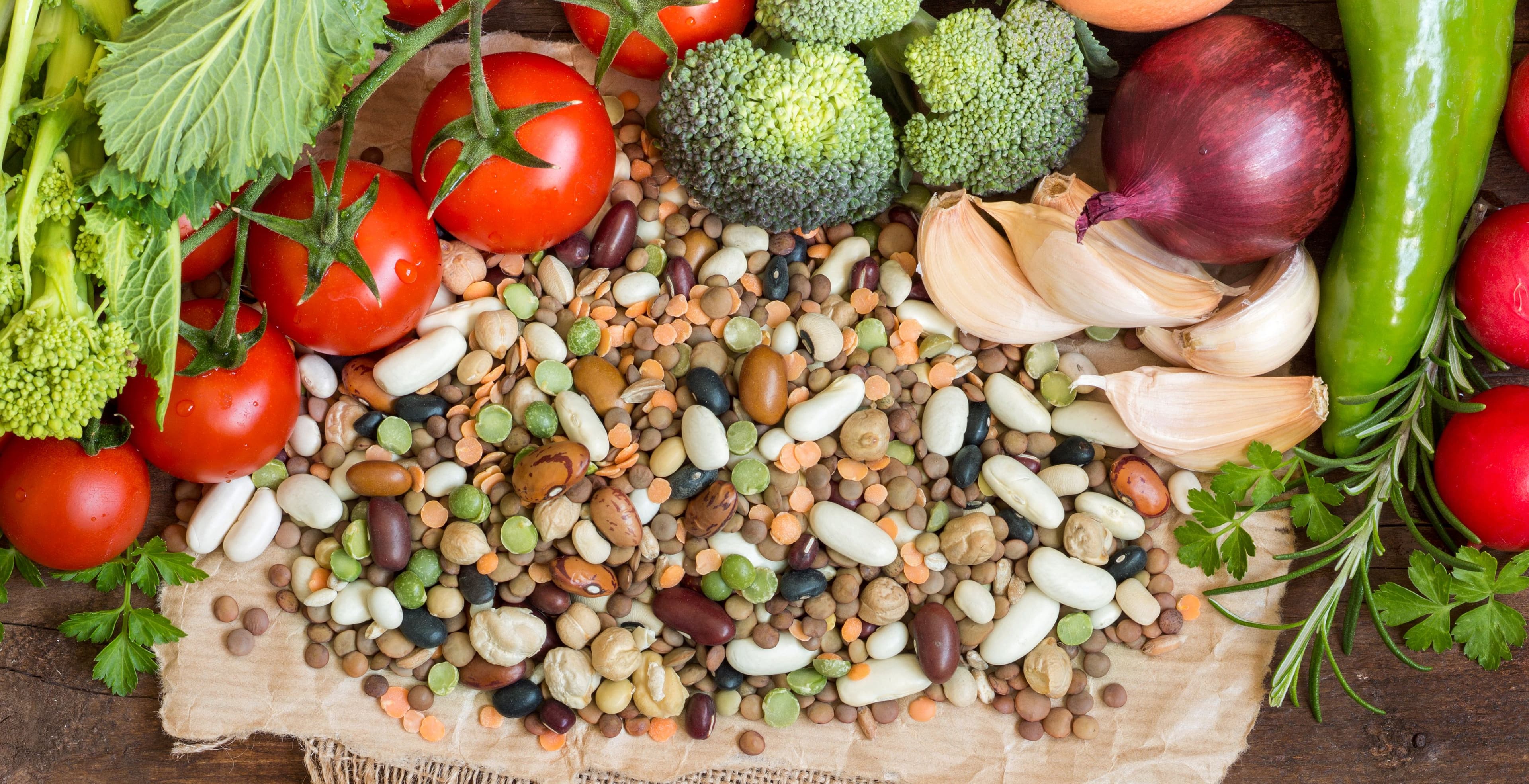
High-fiber diets reduce the risk of colorectal cancer by improving digestion, promoting bowel regularity, and removing toxins from the body.
Probiotics: Foods like yogurt, kimchi, and miso introduce probiotics that help maintain a balanced microbiome in our system.
Include Healthy Fats: Omega: 3 fatty acids found in fatty fish, flaxseeds, and walnuts have anti-inflammatory properties that support gut health.
Water is life: Drinking plenty of water helps maintain a healthy gut lining and supports digestion.
Away from Inflammation Foods: Some foods contribute to inflammation like processed meats, fried foods, and refined carbohydrates, limiting these can significantly reduce cancer risk.
In addition to diet, certain natural remedies can help reduce inflammation and support gut health. Regular exercise or physical activity promotes gut microbial diversity and reduces systemic inflammation. Similarly, stress management is also essential for reducing inflammation. Chronic stress can negatively impact gut health by disrupting the balance of gut bacteria and increasing inflammation. Practices like meditation, deep breathing, and yoga can help regulate stress responses. It is extremely important to get some adequate sleep too. Poor sleep quality has been linked to dysbiosis and increased inflammatory markers. Ensuring consistent, high-quality sleep supports both gut and overall health. Several herbal remedies help control inflammation. Turmeric, ginger, and green tea contain anti-inflammatory compounds that may help reduce chronic inflammation. These natural remedies come in handy because we should always use limited antibiotics to fight inflammation. While antibiotics are sometimes necessary, overuse can disrupt the gut microbiome and reduce beneficial bacteria.
The Role of Gut Health in Cancer Prevention is important. By fostering a balanced gut microbiome, individuals can reduce chronic inflammation and lower their risk of developing various types of cancer. Reducing Chronic Inflammation Lowers Your Risk of Cancer, and all of us should be careful of the small life choices that we make as they might leave big impacts on our life and health.
Updated on 10 Dec 2025

Save recipes from anywhere, and get answers, swaps, and help as you cook.

