We use cookies on this website to ensure its proper functioning and to improve the quality of our services. Cookie Policy
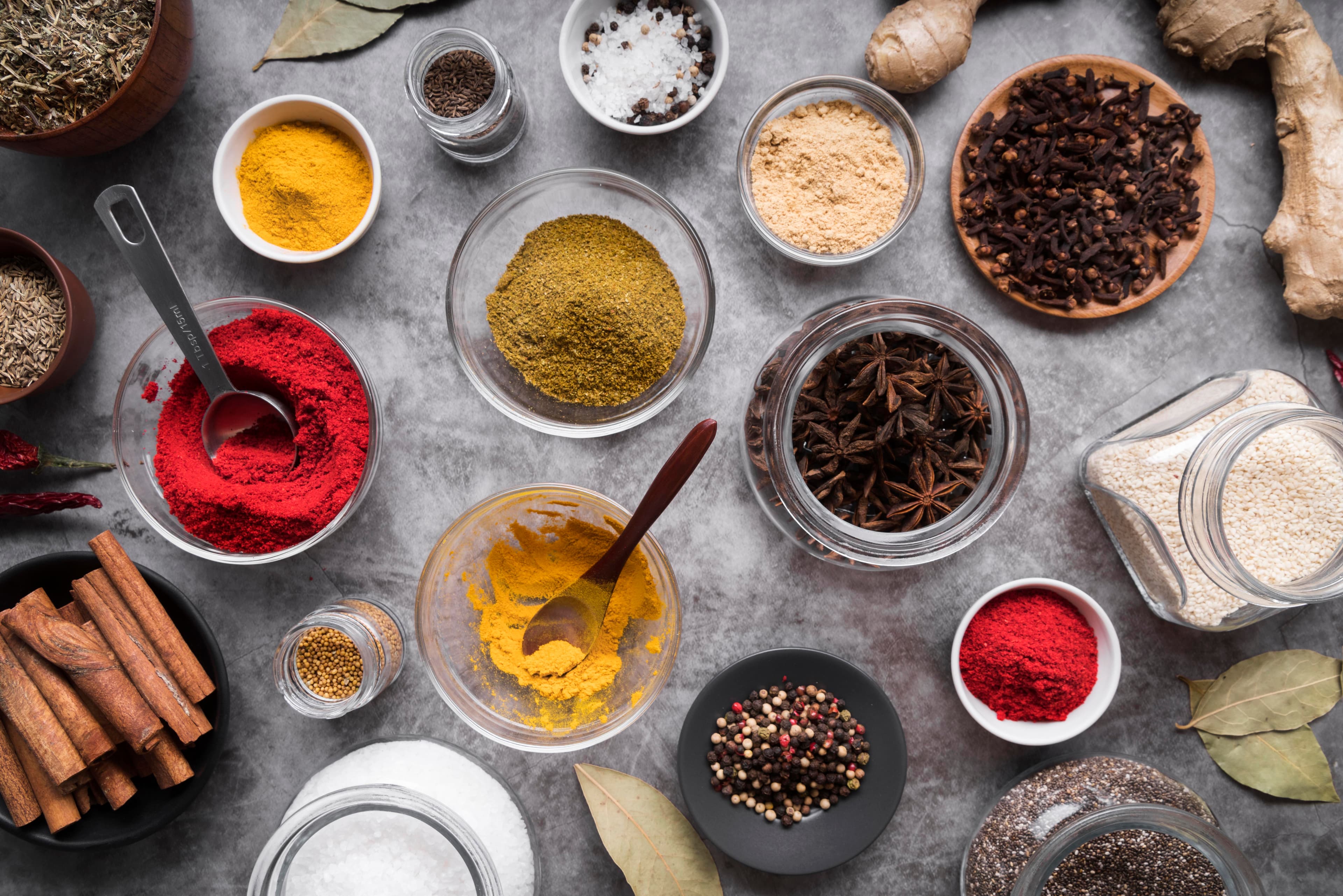
Have you ever wondered why your homemade curry doesn't taste quite like the one from your favorite North Indian restaurant, or why that South Indian recipe you once tried to make turned out differently than expected? The secret might be hiding in your spice box.
Using the wrong type of garam masala can completely transform your dish, and not always in the way you intended. While it’s often thought of as a one-size-fits-all spice mix, there are notable differences between how garam masala is made and used across various parts of India.
In this blog, we’ll explore the differences between Punjabi garam masala and South Indian garam masala and how they bring the best out of any meal.
Punjabi garam masala is robust, aromatic, and rich in flavor, reflecting the hearty and indulgent nature of Punjabi cuisine. The spices used in this blend are bold and warming, making it ideal for rich, comforting dishes. Punjabi garam masala is known for adding deep flavors to meat-based curries, dals, and vegetable dishes.
The Punjabi version of garam masala is favored for its earthy, slightly spicy, and aromatic taste. The combination of cloves, black cardamom, and cinnamon creates a blend that enhances the richness of the food it’s added to, complementing heavier dishes like dal makhani and chole.
These spices are roasted and ground into a fine powder, giving the garam masala its distinct aroma and bold flavor. The inclusion of black cardamom and cloves provides a strong, slightly smoky flavor, making it a perfect match for Punjabi curries and tandoori dishes.
Punjabi garam masala is primarily used in hearty, robust dishes such as dal makhani, butter chicken, and chole. It is also commonly sprinkled on dishes like tandoori chicken or added to biryani for an aromatic, flavorful punch.
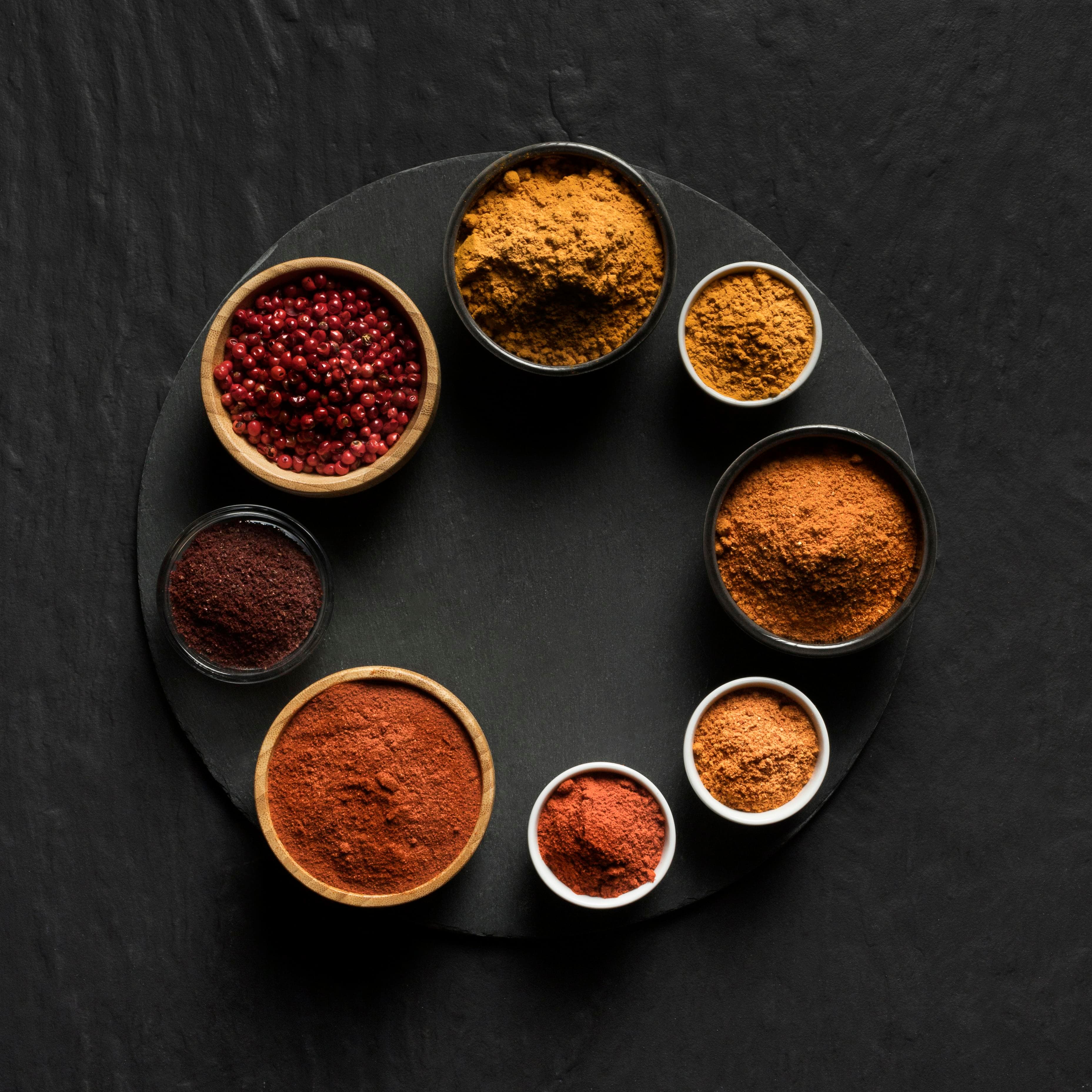
South Indian garam masala is lighter and more fragrant compared to its Punjabi counterpart. While it still delivers that signature warmth, the spices used are more aromatic and less intense, making it ideal for dishes that require a subtle depth of flavor. In South Indian cooking, the focus is often on highlighting the natural flavors of vegetables, lentils, and rice, and the garam masala blend helps achieve that delicate balance.
South Indian garam masala has a gentler, sweeter flavor. The key spices like fennel seeds and star anise contribute a subtle sweetness and aromatic touch, which makes it perfect for milder curries and rice dishes. This blend doesn’t overpower the dish; instead, it enhances and complements the other flavors.
These spices are toasted, then ground into a fine powder. The result is a fragrant, slightly sweet blend that’s perfect for the more delicate South Indian dishes.
South Indian garam masala is typically used in dishes like sambar, rasam, and vegetable curries. It adds just the right amount of depth without overshadowing the other ingredients. It's also found in Chettinad cuisine, where it plays a crucial role in balancing the bold and spicy flavors of the dishes.
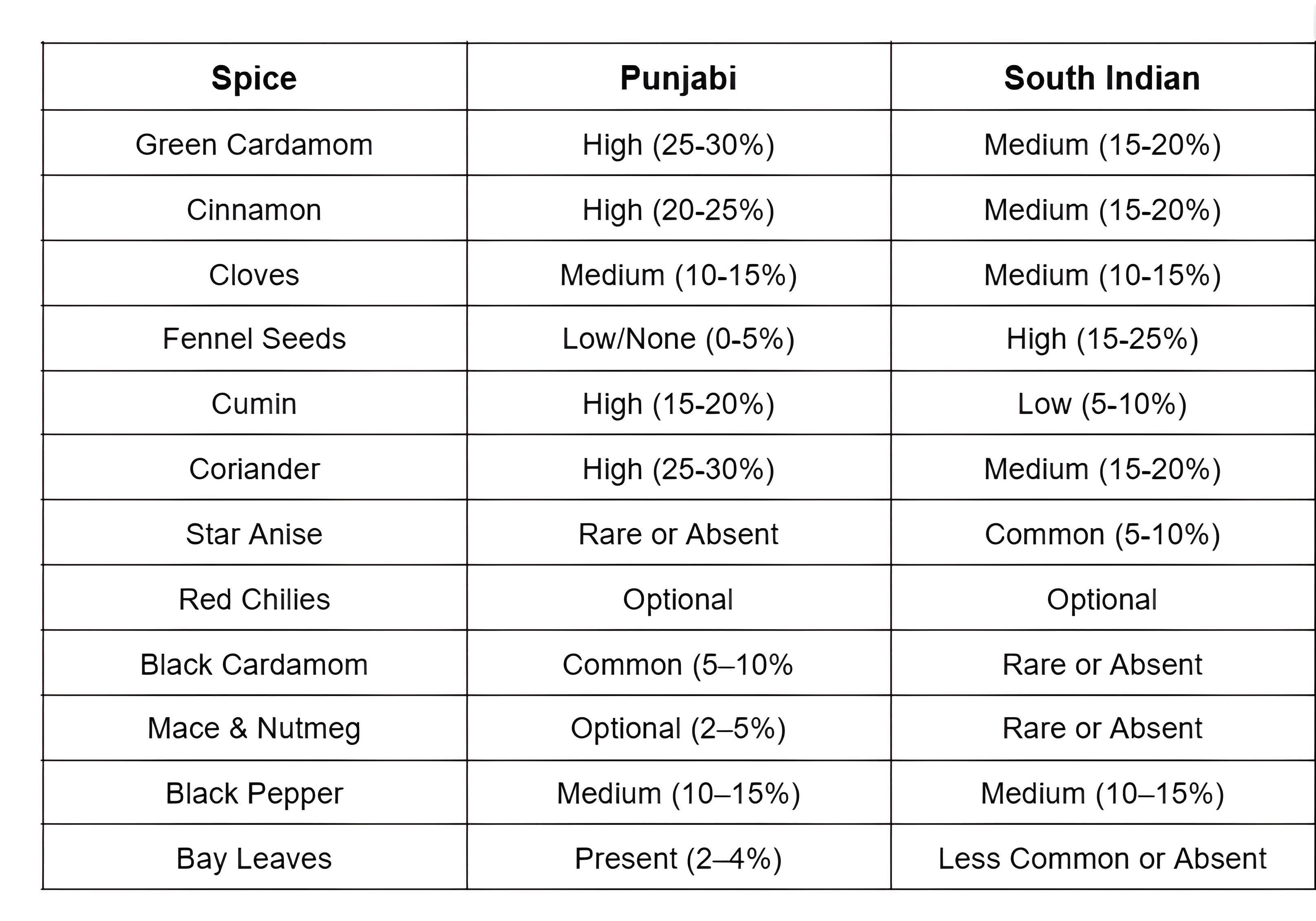
The fundamental differences between Punjabi and South Indian garam masala extend far beyond the ingredient lists; their proportions and types matter too.
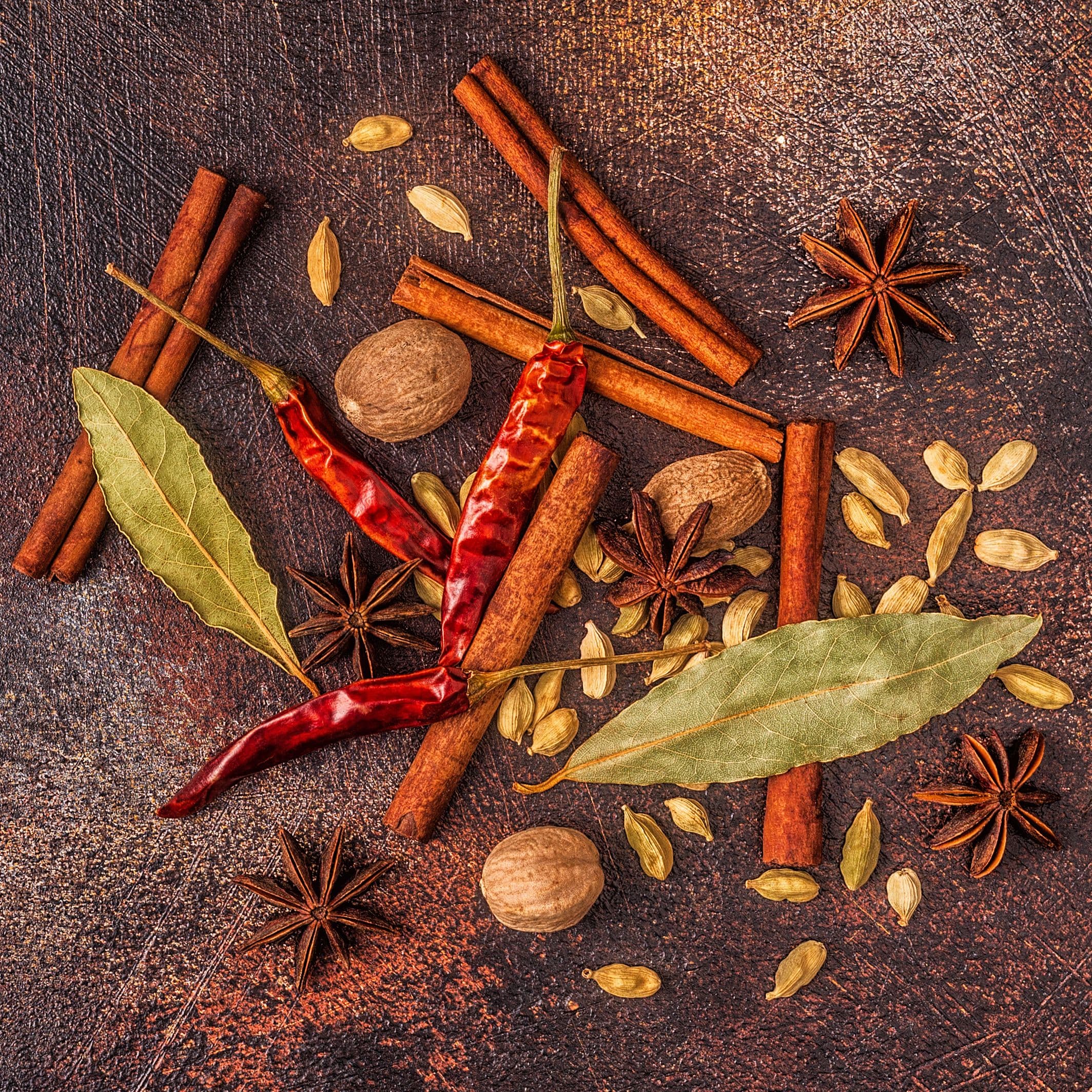
Making garam masala at home is a great way to ensure that you’re using the freshest spices, which are key to the bold and fragrant flavor of these blends. Let’s look at how to make both Punjabi and South Indian garam masalas in your own kitchen.
Both Punjabi and South Indian garam masala contain spices that offer numerous health benefits. For example, cumin is known for aiding digestion, while cardamom has antioxidant properties. Cloves help boost immunity, and cinnamon is known for its anti-inflammatory effects. Garam masala not only makes our food delicious, but it’s also beneficial for our health.
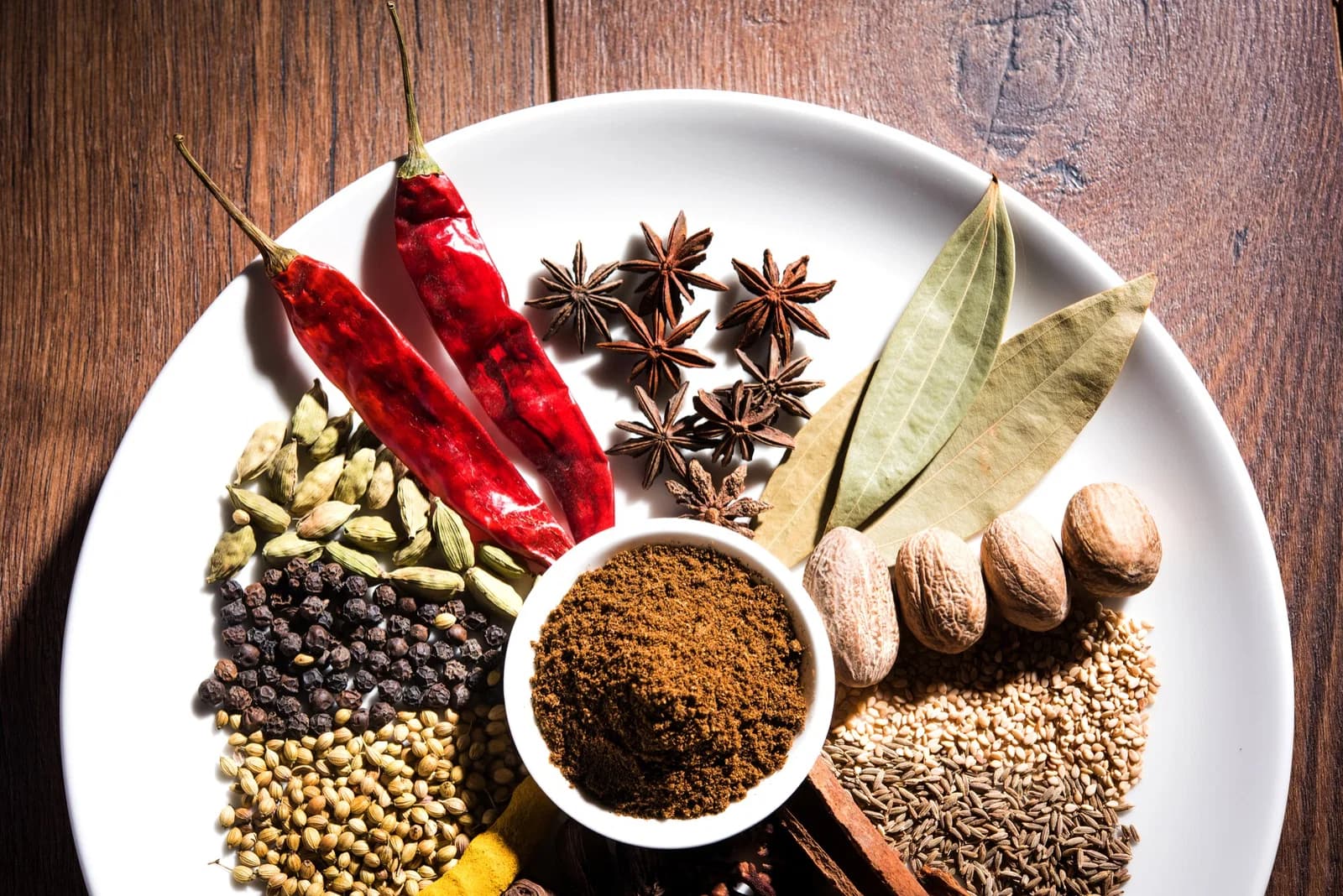
For Punjabi garam masala, add it during the last 5-10 minutes of cooking to preserve its aromatic qualities. Use about 1/2 to 1 teaspoon per serving, depending on the dish and your taste preferences. This spice blend works particularly well when briefly heated in oil or ghee before adding to dishes, a technique that helps release its essential oils.
South Indian garam masala benefits from early integration, allowing its complex flavors to develop and meld with other ingredients. Use slightly larger quantities than Punjabi versions, as the flavors need time to balance and develop. This style works well in spice pastes and marinades, where extended contact time helps flavors penetrate ingredients.
Q1: What is the closest seasoning to garam masala?
A: The closest seasoning to garam masala is Chinese five spice or baharat, as both offer a warm, aromatic blend of sweet and savory spices similar to garam masala’s complex flavor.
Q2: Is garam masala a 7 spice?
A: Garam masala is not limited to 7 spices. It typically includes a blend of 7 to 12 spices, and the exact number varies by regional and household recipes.
Q3: Is garam masala just curry powder?
A: No, garam masala is not the same as curry powder. Garam masala is a traditional Indian spice blend focused on warm, whole spices, while curry powder is a British invention with turmeric as a base and a different flavor profile.
While Punjabi garam masala and South Indian garam masala share some common spices, their distinctive flavor profiles and spice mixes make them perfect for their respective regional dishes. Whether you prefer the bold and hearty flavors of Punjabi garam masala or the aromatic, mild spices of South Indian garam masala, both spice mixes bring something unique to the table. Try making these blends at home and explore the diverse, flavorful world of Indian cuisine!
Updated on 01 Oct 2026
Save recipes from anywhere, and get answers, swaps, and help as you cook.

