We use cookies on this website to ensure its proper functioning and to improve the quality of our services. Cookie Policy
In a world where trends can make nutrition seem complicated, Peta Carige stands for something different. Her philosophy is built on practicality, balance, and a genuine love for food that works in real life.
For Peta Carige, food was never just fuel; it was a way of life. Growing up on a farm in rural Queensland, she learned early on what it meant to cook from scratch.

“Everything was homemade, from cakes to slices. We grew up on meat and three vegetables, that was just normal life,” she recalls.
Her love for food developed naturally, shaped by her family’s hands-on approach and her sister’s baking skills. Later, when her brothers became professional footballers, she saw firsthand how nutrition and sport came together. “They would come home excited about cooking classes they’d done, and it stayed with me. It showed me that food wasn’t just about eating, it was about learning skills for life.”
That early influence eventually guided her toward a career that combined both passions: food and sport. “I wanted to do something in sport, but my brother told me there weren’t enough jobs,” Peta laughs. “So I looked through all the dual degrees and found one that combined nutrition and exercise physiology. I finished two full four-year degrees in five years.”
The challenge paid off. Before she even graduated, Peta was already working in elite sport, teaching athletes how to fuel their bodies and cook for themselves.

“Cooking classes are my favorite part. You’re teaching skills that athletes can use throughout their careers, but also for the rest of their lives.”
Years later, she still gets messages from athletes saying they cook recipes she once taught them. “They’ll message me saying, ‘I still make this dish you showed me,’ and it’s the best feeling.”
Quick, Achievable, and Athlete-Tested
As a sports dietitian, Peta knows time is the biggest barrier between good intentions and good nutrition. “I’m time-poor myself, I have two kids and work full-time, so following a recipe is a treat,” she says. “I’m not a gourmet chef, but I create quick, efficient recipes for time-poor parents and athletes.”
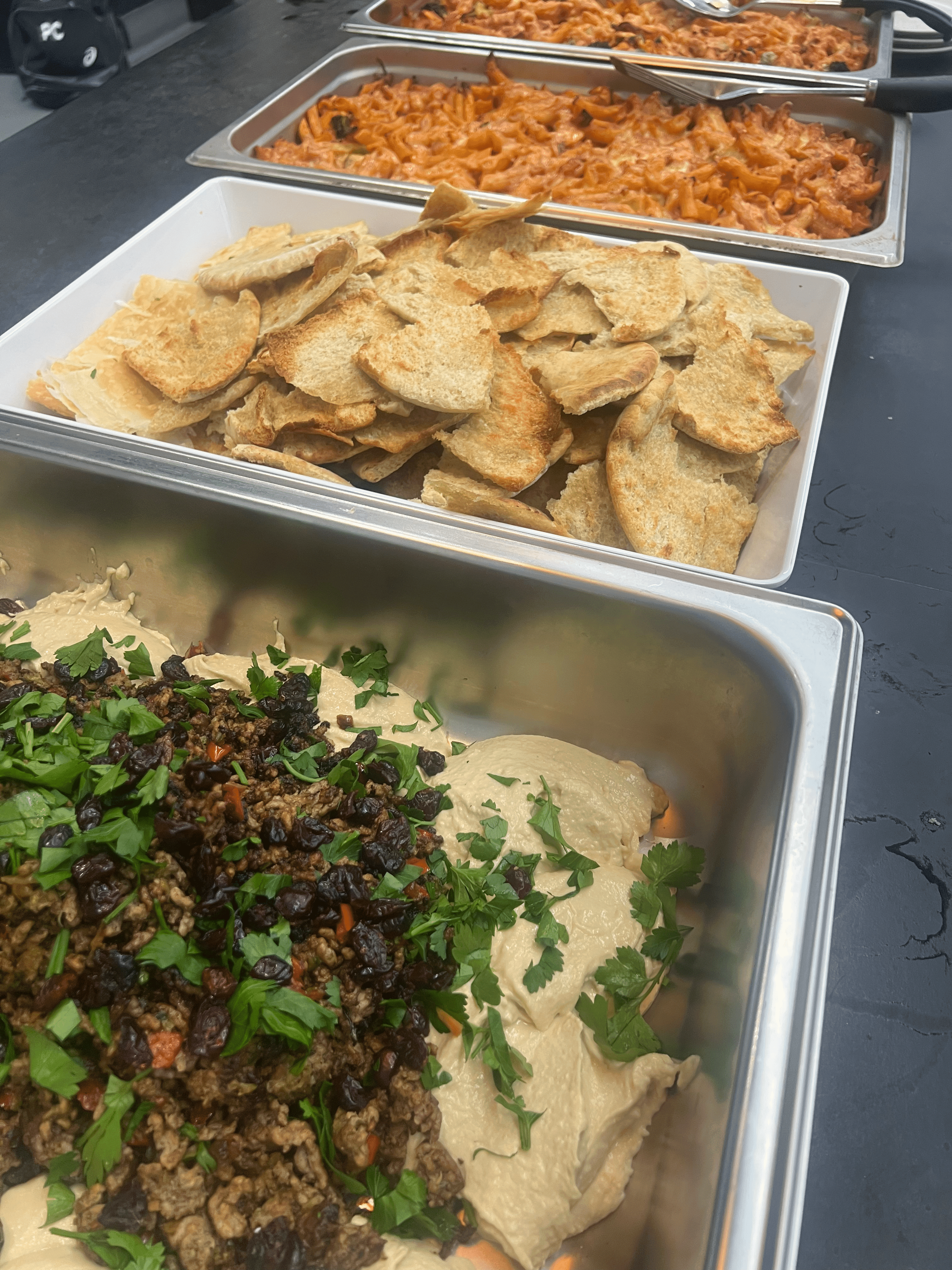
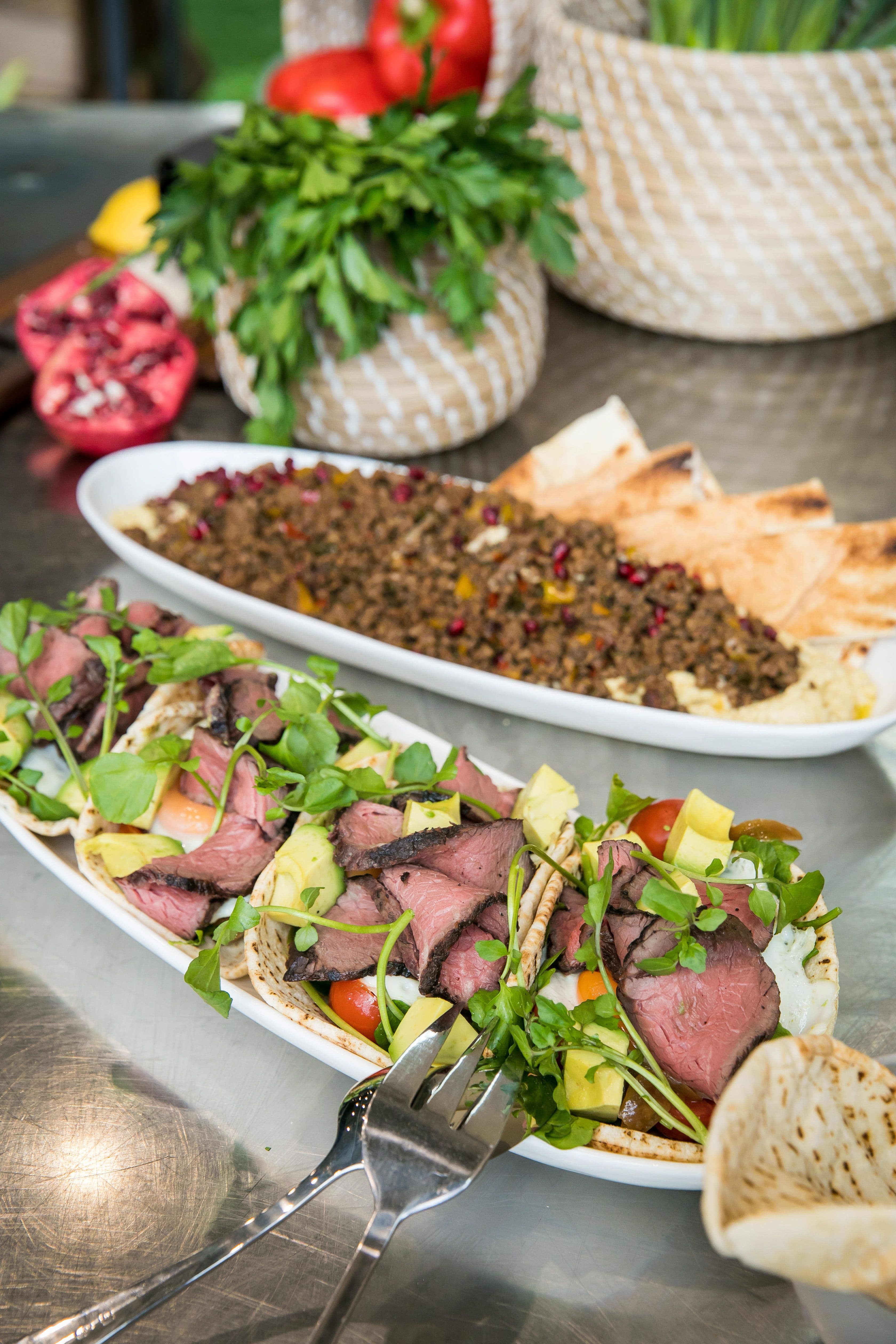
Her approach is simple: healthy food that doesn’t overcomplicate life. Whether it’s a stir-fry, Moroccan lamb, or a “cheating lasagna,” her focus is on meals that are fast, balanced, and realistic.
“There’s always a cheat element to my recipes,” she says. “Something that makes it faster, easier, but still healthy.”
Recently, her focus has shifted toward meal prep, a growing trend among athletes. “They want things that look good for social media but are practical too,” she explains. “Meal prep bowls, burrito bowls, slow-cooker dishes. It’s all about balance and efficiency.”
Peta’s recipes often start with inspiration from cookbooks or social media before she adapts them. “I’m always modifying things to make them healthier or faster,” she says. “Sometimes I’ll find a recipe that works perfectly, other times I’ll tweak it completely. I might see a teriyaki beef bowl and add three times more vegetables.”
Her process reflects how she teaches athletes to think about food: not as a strict set of rules, but as a flexible, evolving skill. “If something’s healthy, I’ll find a way to make it quicker. If it’s quick, I’ll find a way to make it healthier.”
Beyond one-on-one consultations, Peta’s goal is to create a wider impact. “I’d love to move more into the corporate space and do more presentations,” she says. “Sometimes in private consultations, you only reach one person at a time. I want to reach larger groups.”
Her upcoming project is another cookbook, requested by the Brisbane Broncos Women’s team, who recently won their season. “I make a cookbook for each team I work with. I took a year off, but they’ve asked for another one. It’s a mix of recipes I’ve taught them over the years and new meal-prep ideas.”
While most of her cookbooks are private and created specifically for teams, some are available as e-books on her website. “I get asked for the same recipes so many times that I’ve started putting a few online,” she says. “I charge about six dollars, but honestly, dietitians aren’t trained to make money. We’re trained to help people.”
Between consulting elite athletes and raising a family, social media often takes a backseat. “The people who work full-time with elite athletes rarely have time to post online,” Peta admits. “So I tend to share recipes when I’m on holidays or preparing for a presentation.”
Even with limited time, she makes the most of opportunities to document recipes that athletes can revisit later. “When you see an athlete cooking a meal you taught them, or they message saying their kids are eating it, that’s the best part. You’re teaching life skills, not just sports nutrition.”
For Peta, success isn’t about likes or views, but lasting impact. “When my athletes start cooking more, making snacks instead of buying them, or cooking for their families, that’s what matters,” she says. “In the food world, we can forget that so many people rely on takeout. Helping someone move from that to home-cooked meals changes everything.”
Her advice for aspiring sports dietitians is straightforward. “You have to be willing to work hard and hustle. But most importantly, you need to love food and know how to cook. You’re teaching athletes real skills, from shopping and label reading to chopping vegetables. The practical side is just as important as the science.”
Peta’s work blends the precision of nutrition science with the warmth of everyday cooking. From her early days on the farm to guiding world-class athletes, her approach stays grounded in one belief: that food should be both nourishing and doable.
“It’s not about perfection,” she says. “It’s about finding what works for you, cooking what you can, and doing your best. That’s how you create lasting habits.”
Updated on 21 Jan 2026
Save recipes from anywhere, and get answers, swaps, and help as you cook.

