We use cookies on this website to ensure its proper functioning and to improve the quality of our services. Cookie Policy
Nusieba is the self-taught cook behind @bynusieba, a food page built almost entirely during lockdown and grown across TikTok, Instagram, and YouTube. Born in Libya and raised in the UK, she cooks across cuisines, from lamb and rice dishes to bakes she picked up along the way, but her clearest mission is to give Libyan food, which she considers one of the world's most underrated cuisines, a bigger place in front of a wider audience. Her path into cooking has been unconventional, shaped by learning and experimentation, with a genuine passion for food continuing to driver her six years on.
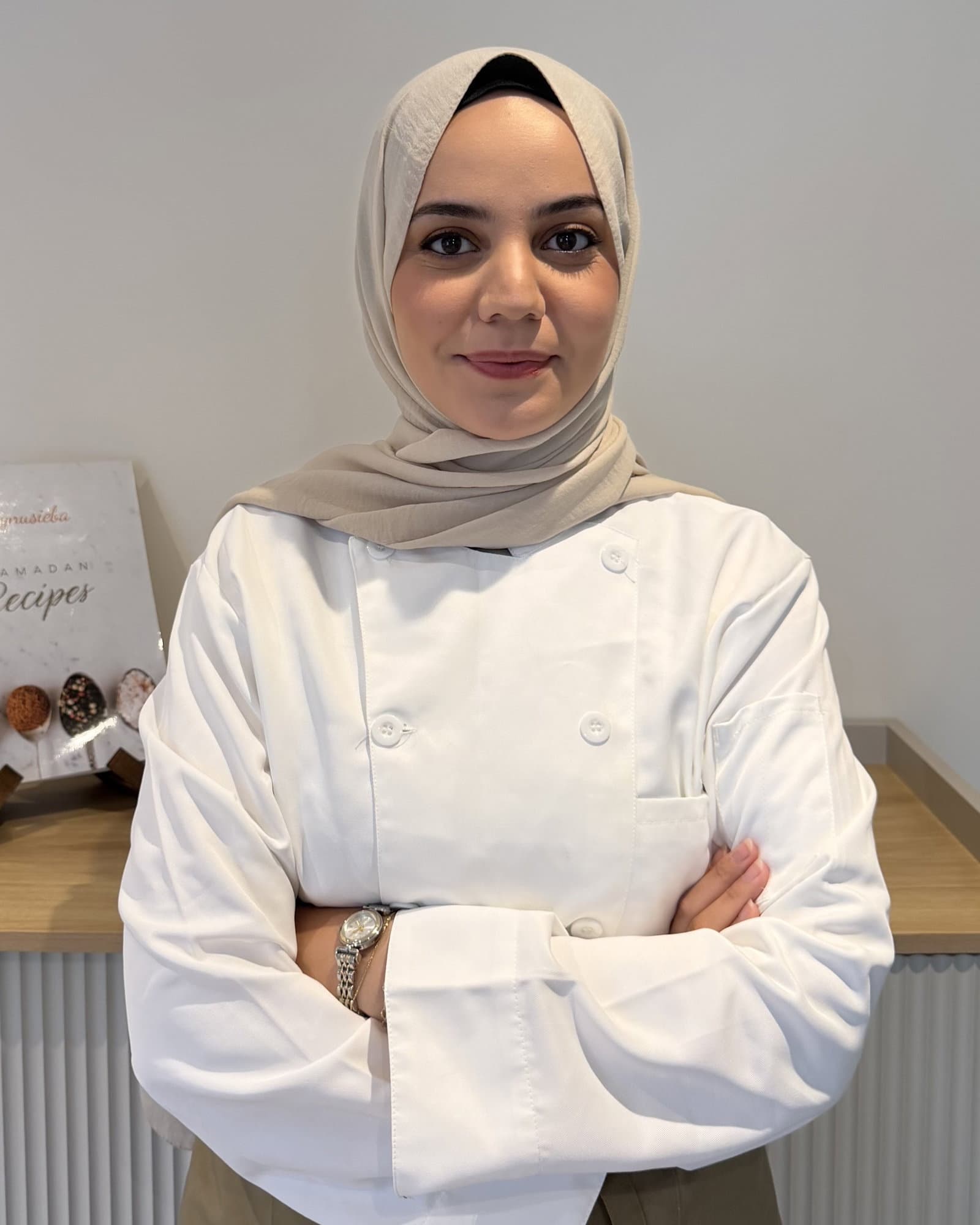
Nusieba comes from a family of what she calls big foodies. Her mother was known in their community for her cooking and her Libyan sweets, and the house was always full of good food. Nusieba started cooking around the age of ten or eleven, drawn to the kitchen even though her mother kept sending her out of it. The person who let her in was her father. He cooked a couple of Libyan dishes, a tajine and a pasta, and he never followed a recipe, throwing in whatever he had and insisting it would taste good. When he was cooking, she got to cook alongside him.
In her late teens she started baking, making cakes, and her mother slowly began letting her stay. Around the same time she started looking beyond Libyan food. She taught herself lamb biryani, her family loved it, and that was the beginning of a much wider range.
The real shift came during the pandemic. On her personal Instagram, where she had only two or three hundred followers, Nusieba posted a photo of a biryani pot and asked whether anyone wanted to see how she made it. People did. She filmed the process on a basic app, posted it to her story, and the response surprised her. She made butter chicken next, then a few more dishes, and a friend told her she should be on TikTok. She assumed TikTok was only for dancing. It was not.
Cooking on camera became a lockdown activity she shared with her mother, who was glad to see her nice kitchenware finally getting used. Then one video took off: a UK school cake, the plain sponge with a layer of icing that British children eat with custard, filmed with a nostalgic song. It struck a chord, and her following started to grow in earnest.
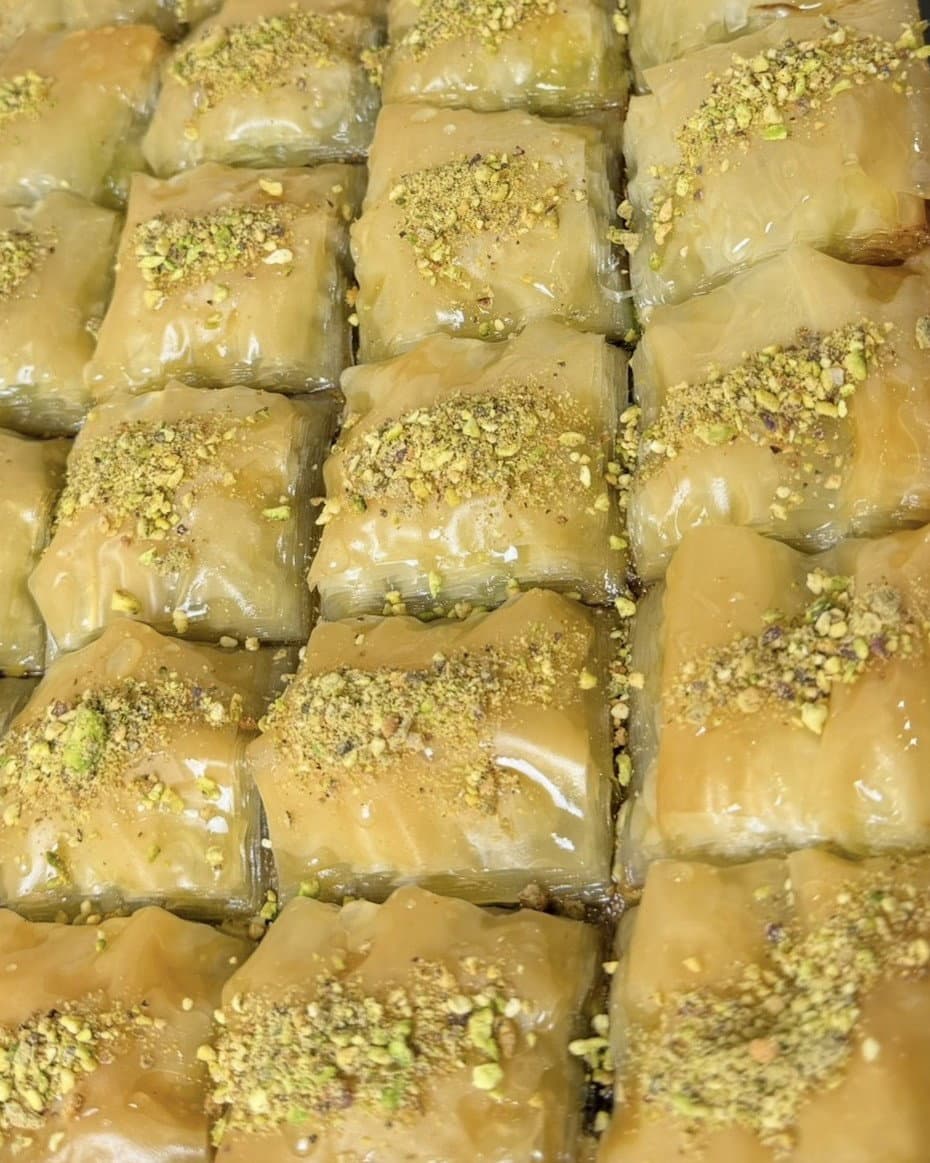
Nusieba has not followed a traditional route into cooking. Instead, she has developed her skills through the years of practice, experimentation and targeted classes wherever she has wanted to master a particular technique. Macarons were one of those things. They proved difficult, so she took a class, and she has been able to make them since. When she travels, she often takes a cooking class in whatever cuisine she is visiting, less to earn a qualification than to understand a food a little better. The foundation, though, is home cooking.
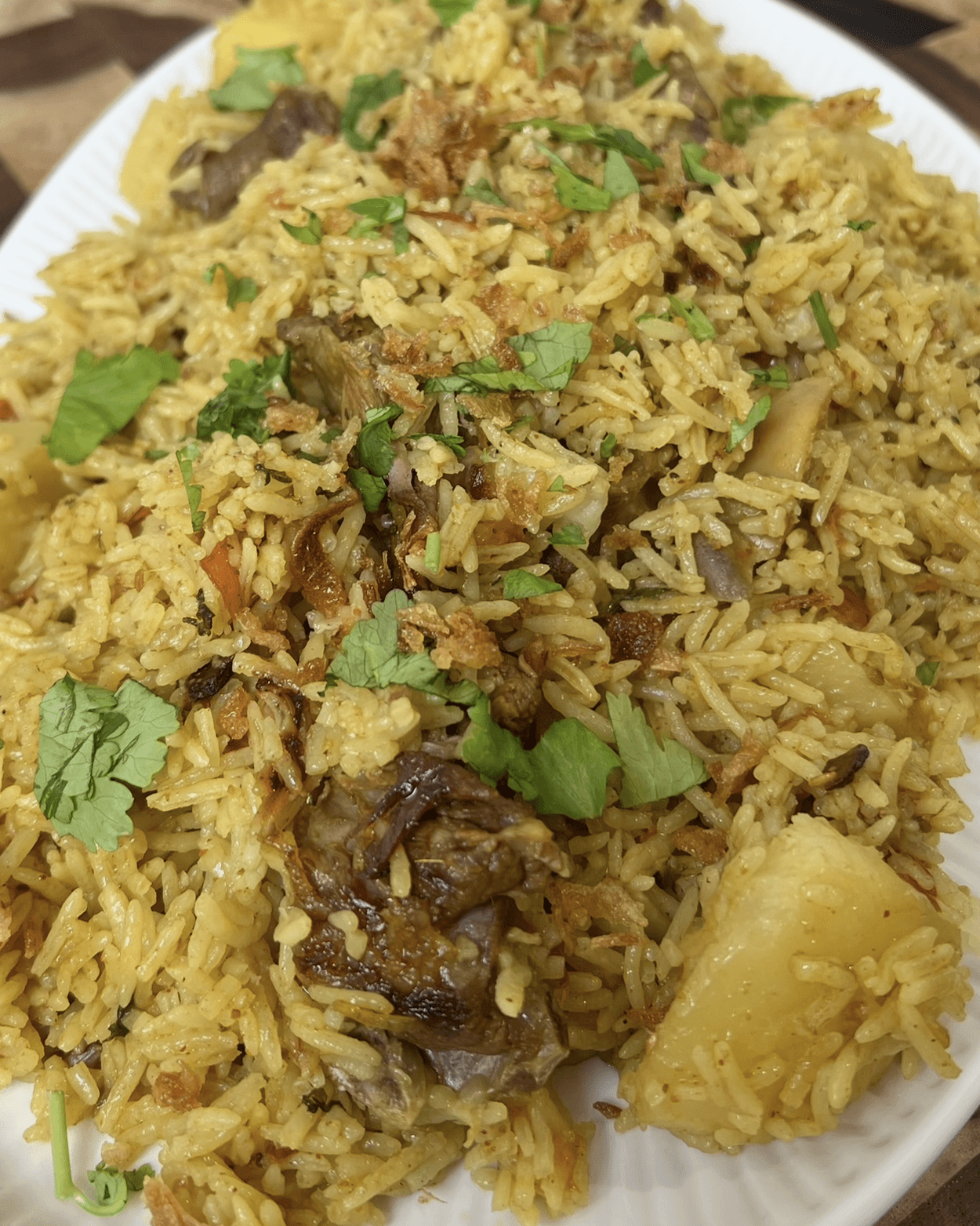
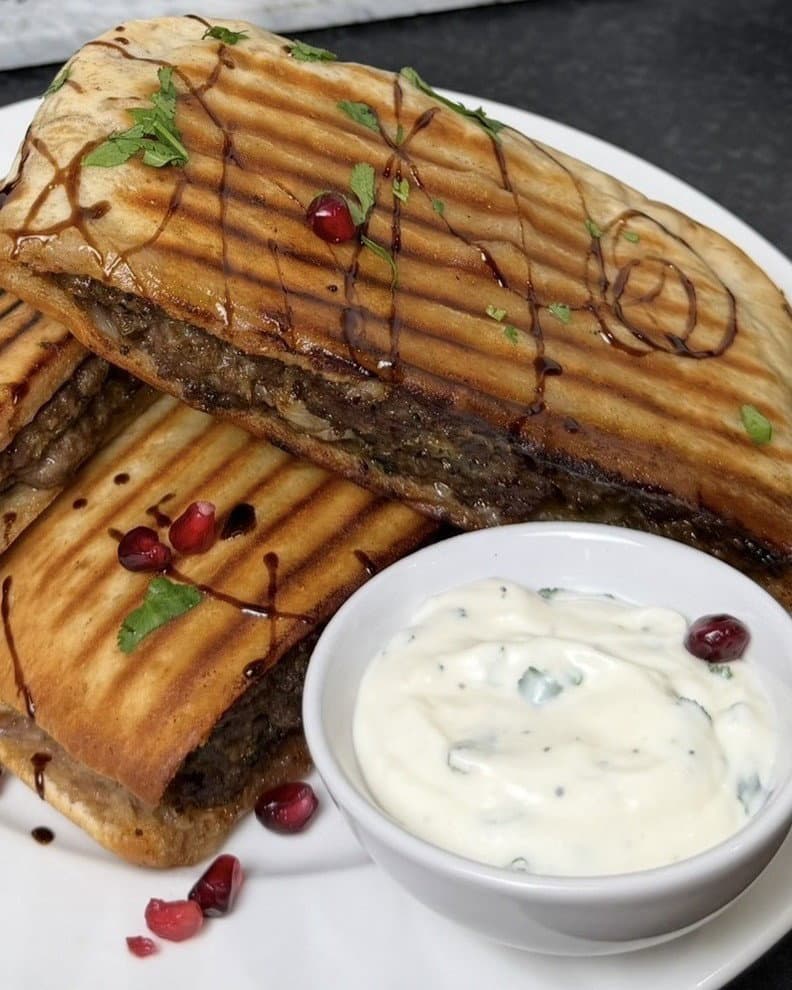
Ask Nusieba what she loves cooking most and she lands on lamb and rice, usually with a North African or Middle Eastern lean. Ask her to pick a single dish for the rest of her life and she lands there too, on some version of lamb and rice, the food she reaches for when she wants comfort.
"It's the food that, when I eat it, I'm just like, wow, this is so good."
What she resists is narrowing down. Plenty of creators, she notes, find one thing and repeat it until it becomes their signature. She likes elaborate recipes that take hours, though she knows her audience mostly wants practical dishes they can fit into a weekly routine, so she tries to do both.
If there is one cause Nusieba keeps returning to, it is Libyan food.
"Libyan cuisine, I would argue, is very undiscovered, underrated."
She is from the east of the country, from Benghazi, and she describes a cuisine with far more range than most people expect. There are rice dishes, and there is what she sums up as steamed food: steamed pasta, steamed rice, steamed couscous, each served with a similar lamb stew built on onions, tomatoes, tomato puree, and a blend of spices.
There is also a one-pot pasta dish, Mabakbaka, cooked with lamb or chicken in a spiced red sauce, that she describes as what Libyan mothers make when they cannot be bothered to cook. She traces it back to the country's period under Italian colonization, remade over time into something distinctly Libyan. Beyond that there are stuffed, deep-fried potato pouches filled with kofta- Embaten, a well-loved bean soup- Sharba, and a specific Libyan spice blend she asks people to bring back whenever they travel from home. Some Libyan sweets are shared across North Africa; others are particular to Libya, and those are her mother's territory. Her mother is very good at them, and she intends on learning those from her too.
Nusieba's interest in Libyan food is not only culinary. She talks about legacy, about wanting a record of her heritage to exist online, especially for other Libyans who may no longer have easy access to the people who once cooked for them. She gets messages from people who lived in Libya years ago, remember a specific dish, and cannot name it, asking her to work out what it was and recreate it. That, to her, is part of what her platform is for.
It connects to something she felt growing up. The cooking she saw on television rarely featured people who looked like her, and she wants that to change, both for herself and for the generations coming up. The benchmark for good food, she points out, has long defaulted to French or Italian, and she is not convinced it should. "I really felt like people don't know, and they should." She would like, one day, to help bridge that gap, so that a wider audience understands how much more is out there.
Her recipe ideas arrive from a few directions. Sometimes she comes across an unfamiliar combination while traveling or eating out and wants to rework it in her own way. Sometimes she sees another creator's dish and reinterprets it. And sometimes the idea is born of necessity.For anything outside her own culture, she does her homework, watching and reading many versions of a dish, all those different cooks insisting theirs is the right way, then settling on what she thinks works best. For Libyan food, the source is closer to home. Her mother holds the knowledge, and Nusieba records those family recipes carefully, adding only small alterations of her own.
For a long time Nusieba stayed off camera.
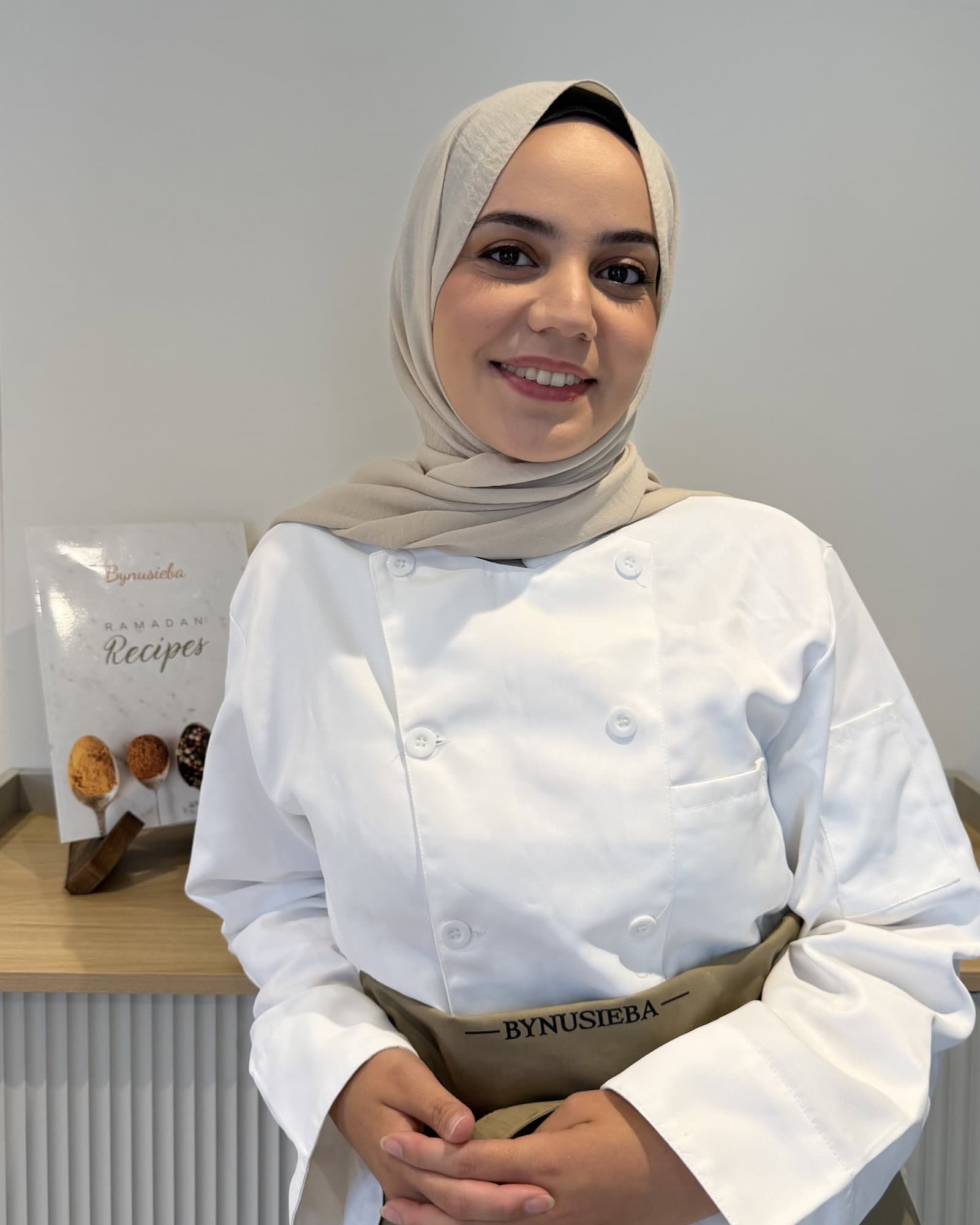
"For many years I was faceless. You would only see my hands."
She has come to see that as something that may have held her back, and over the past year or so she has started showing her face and sharing more of who she is. People, she has found, do not only want recipes; they want to know the person behind them.
Her thinking about what sets a creator apart has settled into something simple. In a field crowded with recipe content, she believes the thing that lasts is authenticity, both in who you are and in recipes that people actually make. She describes followers who try a dish, come back to tell her it worked, and only then follow her, and how that builds a real rapport.
"If you have something unique and if you have a passion, you will stand out, and standing out doesn't necessarily mean going viral."
The cooking and the filming come naturally to her. The rest of it does not. Nusieba's background is in the humanities.Tech, as she puts it, is not her strong suit. Writing a narrative and doing a voiceover are easy; the editing and the constant shifts in each platform's algorithm are the hard part. For a while she tried to game the timing of her posts, then gave up and accepted that some recipes take off and some do not.
Managing it all, she says, feels like a full-time job on top of everything else: the filming, the cooking, the posting, the editing, and the detailed recipe writing. It remains, after more than six years, a hobby rather than a career, though not for lack of ambition. She wrote and sold a Ramadan recipe ebook, which did well, and a cookbook is the thing she would most like to do next.
Asked what she would say to the people reading this, Nusieba did not reach for a cooking tip.
"Be authentic to whatever it is you're doing."
Whether it is cooking or work or the way you carry yourself, she believes that being true to who you are, and to where you come from, is what ultimately stands out. It might take a few years, she says, but it gets there.
Nusieba's food page is the product of a childhood spent trying to get into her mother's kitchen, a lockdown that turned a hobby into something bigger, and a determination to keep cooking on her own terms. The recipes she shares run from her mother's Libyan dishes to bakes and biryanis she taught herself, and the mission underneath them is steady: put an underrated cuisine, and the culture behind it, in front of as many people as possible.
Explore Nusieba’s recipes on Chefadora at chefadora.com/@bynusieba and follow her journey on Instagram at @bynusieba, where she shares recipes across Libyan, North African, Middle Eastern, and other cuisines, both savory and sweet. Chefadora is proud to spotlight creators like Nusieba who are keeping regional food traditions alive and sharing them with a wider audience.
Updated on 10 Aug 2026
Save recipes from anywhere, and get answers, swaps, and help as you cook.

