We use cookies on this website to ensure its proper functioning and to improve the quality of our services. Cookie Policy
Lisa Aprilia is the creator behind @nenglisaindo, a Bali-based food page dedicated to sharing the depth, diversity, and authenticity of Indonesian cuisine with a global audience. Originally from Jakarta and trained in her family's warung from a young age, Lisa is one of the few Indonesian creators sharing her food culture in English, and she does it with a clear sense of purpose: to bridge a global audience with their Indonesian roots and to put a cuisine she considers underrated firmly on the world stage.
Lisa's cooking education did not begin with passion. It began with responsibility. Her family ran a warung in Indonesia, a small, humble eatery where her parents served the kinds of dishes their community had grown up on. When her father passed away, Lisa stepped in to help her mother keep the warung going.
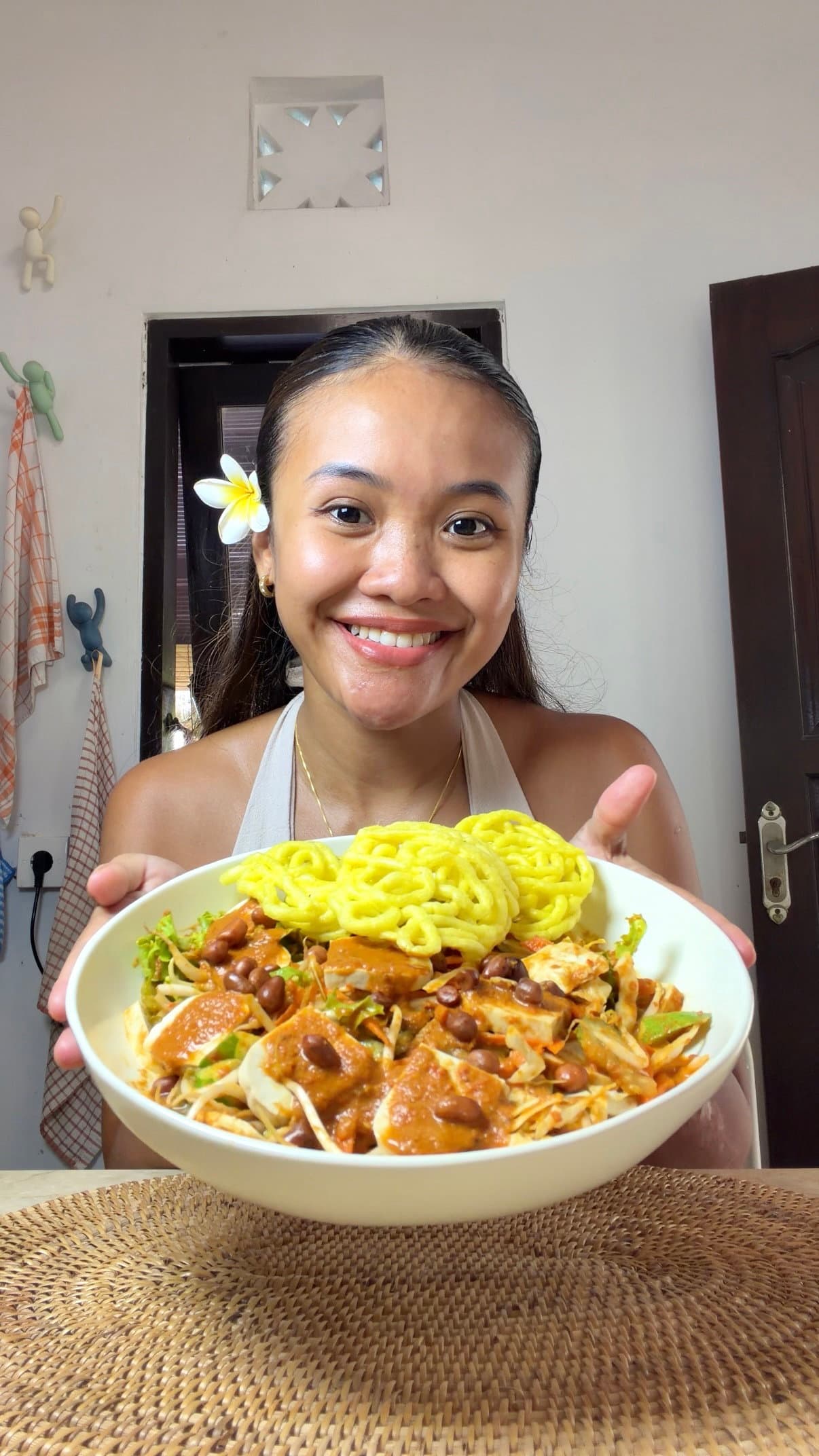
"I needed to help my mom to keep the warung running," she says. "So it started from there."
For years, that meant cooking and managing the restaurant alongside her family. It was not a career path she chose. It was a family role she accepted, and one that turned out to give her a culinary foundation no school could have replicated. By the time she eventually went to business school and moved to Bali to start her career, she had a depth of practical cooking experience that most formally trained cooks would envy. "I didn't go to culinary school at all," she says. "It's actually from years of experience in the kitchen."
The decision to start creating Indonesian food content online came later, and it came from a clear observation. Lisa noticed that despite the global love for Indonesian flavors, very few people were sharing authentic recipes in English. The information existed in Indonesian, scattered across YouTube and cookbooks, but the gap for an English-speaking global audience was significant.
She was particularly inspired by Korean and Japanese food creators who had moved abroad and were sharing their food cultures with pride.
"That inspired me to do the same with my own food," she says.
The opportunity was both personal and cultural. She had the knowledge. She had the language. She had the platform. What was missing was someone willing to do the work of translation, both literal and culinary.
Lisa is passionate about the fact that Indonesian food is far richer than its global reputation suggests. Most people abroad know Nasi Goreng, Rendang, and Sate Ayam. Those dishes are wonderful, but they are a tiny fraction of what the country actually offers.
Sambal is one of her favorite examples. Most international audiences who know sambal know it only as one of a few common varieties: Sambal Terasi (made from shrimp paste), Sambal Kacang, or simple chili sauces. The actual range is much wider. Her own favorite is Sambal Matah, a Balinese raw sambal layered with thinly sliced shallots, chillies, lemongrass, lime leaves and a fresh scent of coconut oil.
"It's kind of like semi raw sambal," she says. "That's why it's a really nice texture."
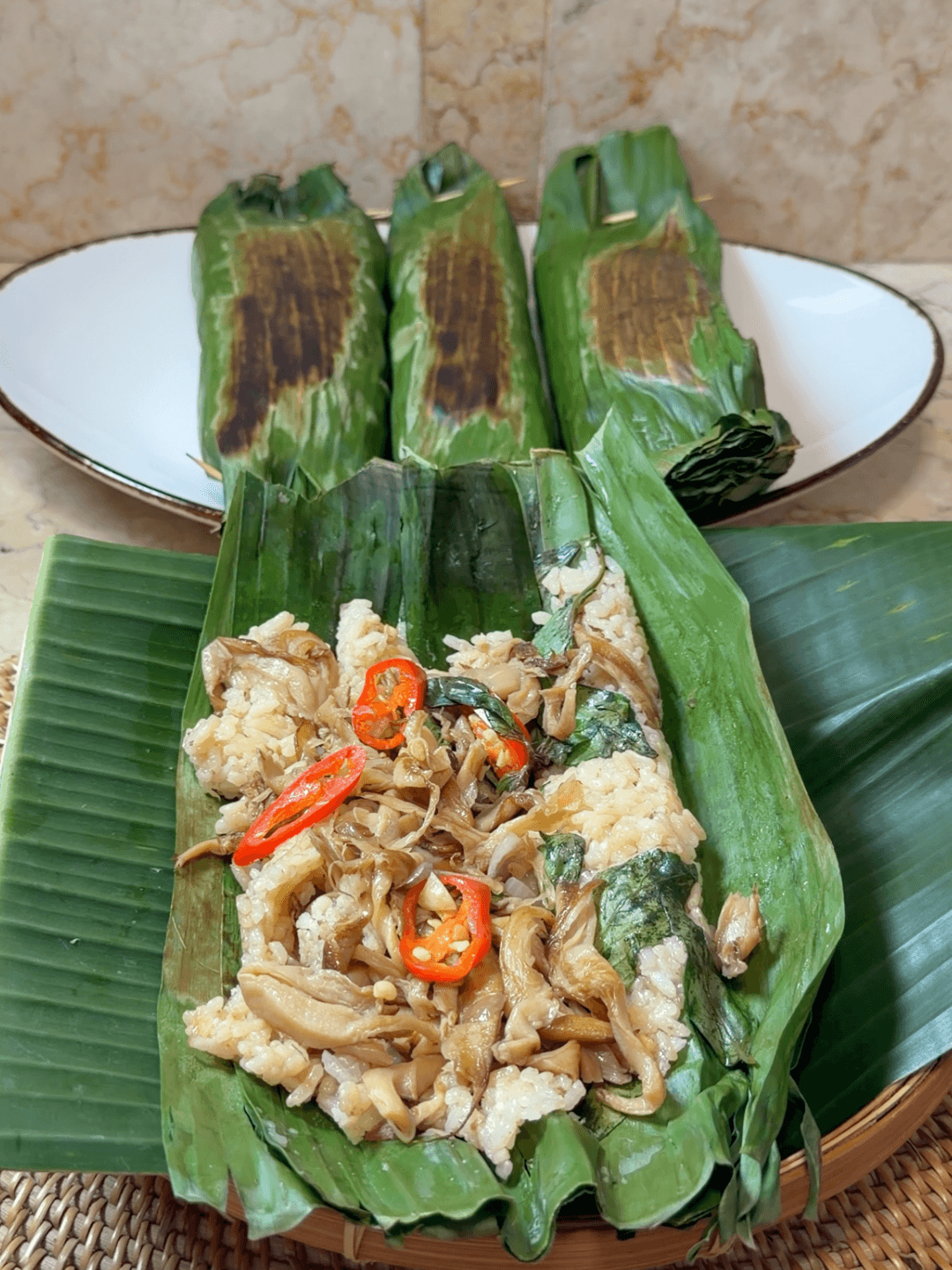
She also loves Ayam Betutu, a Balinese spiced chicken dish loaded with complex aromatics. From her home city, Jakarta, she gravitates toward Soto Betawi, a rich beef soup also distinguished by its layered spice profile. Bold flavors, complex aromatics, and deep regional variation are what draw her in. "I love food that’s bold flavor and complex," she says.
One of the most important things Lisa wants her audience to understand is that Indonesia is not one cuisine but many. Different regions bring entirely different approaches to ingredients, spice levels, and techniques. Most restaurants in Jakarta serve food from across the archipelago — Javanese, Sundanese, Sumatran, and other regional cuisines.
She is thoughtful about how she presents this. When she covers a dish from a region she is not personally connected to, she does her research first.
"Of course, I needed to learn first before sharing, so people wouldn't misunderstand it." she says.
Authenticity matters to her, both as a matter of respect and as a matter of credibility with the Indonesian audience who follows her.
She also tries to keep her recipes accessible. The shared spice base across many Indonesian regions means that once you understand the fundamentals, you can cook a remarkable range of dishes. "Once you know it, you can make everything," she says.
Asked if a dish has ever gone completely wrong, Lisa points immediately to her first attempt at Bika Ambon, a traditional Indonesian honeycomb cake. The tricky part is the baking process. Unlike a regular cake, where the oven stays sealed, Bika Ambon requires the oven door to stay partially open so air can circulate. Temperature control is critical. Get it wrong and the bottom of the cake burns.
Her first attempt was a disaster. "It was completely black," she says. She tried again, understood the mistake, and got it right. That mix of patience and willingness to fail, then return, is how she approaches most of her content.
Lisa's recipe development is largely intuitive, drawing on decades of cooking experience. But she also responds to her audience. Followers regularly message her asking for specific dishes they have not been able to find online, and many of those requests make it onto her list.
The carousel format has become her signature way of presenting complex recipes. She is a visual learner herself and knows her audience often needs to see steps rather than just read them. Reels handle the standard recipe walkthrough, but for trickier dishes, she builds out a full visual guide in Canva that her followers can save and reference. The format takes longer to produce, but for her audience, it works.
Lisa's motivation comes directly from her audience. She regularly receives messages from followers whose parents are Indonesian but who have never learned to cook the food themselves. Her page has become a bridge back to that part of their heritage.
"They feel like I kind of have bridging them to their roots," she says. "It just motivates me to continue and keep going."
That impact is what sustains the work. Not the algorithm, not the brand deals, not the views. The actual people who reach out and tell her she has helped them reconnect with something they thought they had lost.
Asked what she would tell her readers, Lisa has a clear answer.
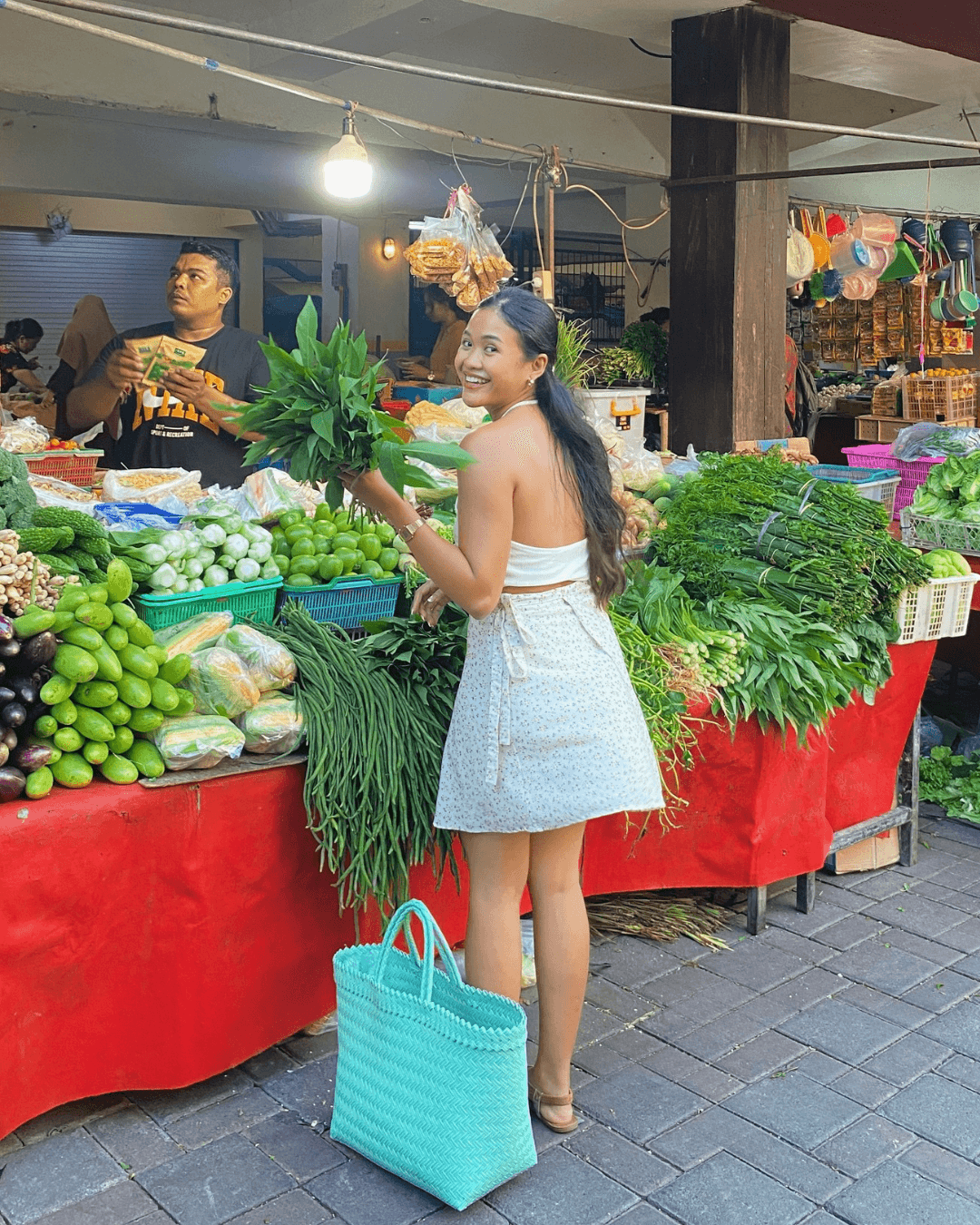
"Indonesian food is underrated. It goes beyond what you know, like nasi goreng, rendang, satay. Every region brings their own boldness from the different spices, fragrance, aromatics, and the complex flavor through every flavor, you will taste a piece of our culture and the warmth of our people. That's the message that I want to spread."
Lisa Aprilia's work is the result of years of cooking, a deep love for her country's food, and a recognition of a gap that needed filling. She is preserving the kind of regional knowledge that gets lost when families move or generations grow up far from their roots. The warung that she grew up in shaped her into the cook she is today. The platform she has built is how she shares that inheritance with the rest of the world.
Follow Lisa on Instagram at @nenglisaindo, and explore her recipes on Chefadora at chefadora.com/@nenglisaindo where she shares authentic Indonesian recipes spanning regions, traditions, and the kind of bold flavors her country is known for. Chefadora is proud to spotlight creators like Lisa who are bridging cultures through food and keeping regional culinary traditions alive for a global audience.
Updated on 17 Jun 2026
Save recipes from anywhere, and get answers, swaps, and help as you cook.

