We use cookies on this website to ensure its proper functioning and to improve the quality of our services. Cookie Policy
For decades, scientists and food enthusiasts have recognized five primary tastes—sweet, sour, salty, bitter, and umami. However, recent research suggests that a sixth taste sensation, known as kokumi, plays a vital role in enhancing the overall flavor of food. While not as widely known as umami, kokumi has been gaining attention for its ability to add depth, richness, and complexity to dishes.
Kokumi, a Japanese term meaning “rich taste” or “heartiness,” does not have a distinct flavor like the five established tastes. Instead, it enhances and prolongs existing flavors, making foods taste more balanced and satisfying. Scientists describe kokumi as the sensation of fullness, thickness, and depth in food, often likened to the way a perfectly ripened tomato provides a mouth-coating, long-lasting experience.
The concept of kokumi was first explored by researchers at the Japanese food company Ajinomoto, who identified certain compounds responsible for this taste-enhancing quality. These compounds, primarily glutathione and other peptides, are found in various natural foods and interact with umami receptors in the tongue, intensifying flavors rather than creating a new one.
Research has shown that kokumi compounds interact with calcium-sensing receptors (CaSR) in the taste buds. These receptors, originally studied for their role in regulating calcium levels in the body, also appear to influence taste perception. When kokumi-rich compounds bind to CaSR, they amplify the intensity of other flavors, making sweet foods taste sweeter, salty foods saltier, and umami flavors richer. This explains why aged cheeses, fermented miso, and slow-cooked meats have a deeper, more lingering taste compared to their fresher counterparts.
While kokumi may not yet be a household name, many people have unknowingly enjoyed its effects in everyday foods. Some of the best sources of kokumi-enhancing compounds include:
- Aged and Fermented Foods: Parmesan cheese, miso, soy sauce, fish sauce
- Garlic and Onions: Rich in glutathione, these ingredients contribute to the deep, complex flavors of many dishes
- Yeast Extracts and Fermented Beverages: Found in foods like Marmite, nutritional yeast, and certain types of beer
- Slow-Cooked and Braised Meats: The longer cooking process allows for the breakdown of proteins and the release of kokumi-enhancing peptides
- Certain Vegetables and Dairy Products: Spinach, asparagus, and aged dairy products like gouda or cheddar
Chefs and food scientists are increasingly exploring ways to use kokumi to enhance flavors naturally without relying on excess salt, sugar, or artificial additives. By incorporating kokumi-rich ingredients, they can create healthier, more flavorful dishes without compromising taste.
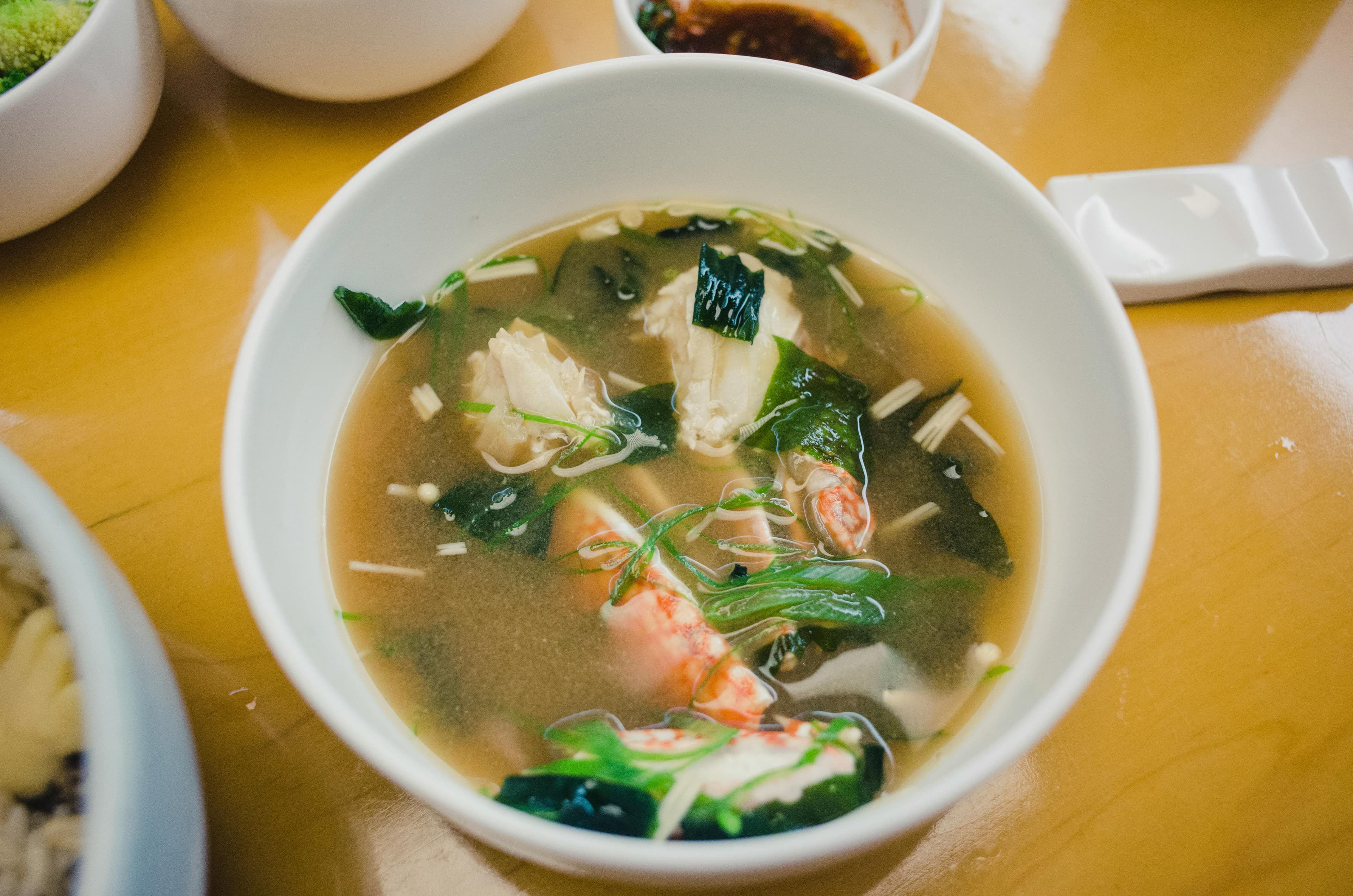
Try this Miso Soup Recipe known for their deep, rich umami flavors, largely due to the presence of kokumi compounds.
Food manufacturers are also taking note of kokumi’s potential. Researchers are studying how to use natural kokumi-enhancing compounds in processed foods to reduce sodium and fat while maintaining full-bodied flavors. This could lead to healthier food options without sacrificing taste.
In the future, we may see food labels highlighting kokumi-rich ingredients or even new seasonings designed specifically to enhance this sixth taste sensation. With its ability to make foods taste more satisfying and complex, kokumi is likely to become an important concept in both home cooking and the food industry.
Kokumi may not yet be as widely recognized as sweet, salty, or umami, but its role in enhancing flavors is undeniable. By deepening and prolonging the taste of foods, kokumi helps create more satisfying and flavorful meals. As researchers continue to explore this fascinating taste phenomenon, we may soon see kokumi becoming a key player in the future of food innovation.
Updated on 21 Jan 2026

Save recipes from anywhere, and get answers, swaps, and help as you cook.

