We use cookies on this website to ensure its proper functioning and to improve the quality of our services. Cookie Policy

From food to medicine, turmeric is a well-known spice. Indian, Middle Eastern and Southeast Asian cuisines use turmeric regularly in their food. Known for its vibrant yellow colour and earthy flavour, turmeric is anti-inflammatory and possesses antioxidant effects. Turmeric has also been used as a natural dye for centuries to give fabrics a warm yellow colour. The ancient medicinal practice of Ayurveda utilises turmeric to address several different health concerns. For centuries, it has been believed to be one of the healthiest ingredients in cooking. However, recently, questions have been raised about the legitimacy of such beliefs. So, Is turmeric actually healthy for you?
While Turmeric offers various health benefits, excessive consumption can lead to uncalled issues. Overconsumption of turmeric is known to cause digestive discomfort. When consumed in high doses, turmeric can cause stomach pain, an upset stomach, and bloating. Turmeric encourages the stomach to produce more gastric acid. This can be helpful for individuals who struggle to digest their food, but it can cause trouble for other individuals.
Excessive consumption can also irritate your stomach lining, causing discomfort. Turmeric contains a moderate amount of oxalates, which can bind to calcium present in your body to form kidney stones. Overconsumption of turmeric leads to an increased risk of kidney stones.
The ideal turmeric consumption is 1.4 mg per pound of body weight each day, according to the World Health Organization (WHO).
Individuals suffering from a bleeding disorder should avoid consuming turmeric in high doses as it acts as a blood thinner. If you take medications like blood thinners, cardiac drugs, diabetes medications, antihistamines, antidepressants, antibiotics, and chemotherapy treatments, you should avoid excessive consumption as turmeric is known to interact negatively with these medications. Turmeric is also known to limit iron absorption, so if you have an iron deficiency and take iron supplements, you should be careful about limiting your turmeric consumption.
While safe for most, turmeric might be harmful to some people for various reasons. Here are some groups of people who should be cautious with turmeric consumption.
Individuals who take injectable blood thinners should avoid taking turmeric.
Individuals who suffer from Gastroesophageal reflux disease (GERD) should be careful while taking turmeric and pay close attention to any symptoms of a worsening condition.
Individuals suffering from Iron deficiency should avoid turmeric. If you take iron supplements, turmeric can limit iron absorption.
Diabetic patients should avoid consuming turmeric as it contains Curcumin, which might reduce blood sugar levels.
Individuals suffering from liver disease should be mindful of their turmeric consumption as it has properties that can cause liver damage.
Individuals who struggle with gallbladder problems like gallstones or bile duct obstruction should avoid using turmeric.
If you do not have any conditions that could worsen by turmeric, it can provide a variety of health benefits when consumed in moderation. Some of them include:
Anti-Inflammatory Effects: Turmeric is known to have anti-inflammatory benefits. Curcumin is an active substance of turmeric that reduces inflammation in the body. This makes turmeric helpful for people with chronic inflammatory conditions such as arthritis.
Antioxidant Properties: Turmeric carries powerful antioxidants such as Curcumin that can neutralize free radicals that tend to react with important organic substances, such as fatty acids or proteins. This can support cell growth and well-being and may also help in preventing cancer. Researchers are exploring Curcumin as a cancer treatment in part because inflammation appears to play a role in cancer.
Reducing Osteoarthritis Symptoms: Osteoarthritis is a type of degenerative joint disease that results into breakdown of joint tissues, cartilage and underlying bone over time. Turmeric is considered to relieve the pain and swelling that happens due to osteoarthritis. According to some scientific reports, patients with osteoarthritis who consumed turmeric supplements experienced improved mobility and reduced symptoms of their condition.
Boosts Mental Harmony: Brain-derived neurotrophic factor (BDNF) is a protein that acts on certain neurons of the central nervous system and the peripheral nervous system, helping to support the survival of existing neurons and encouraging growth and differentiation of new neurons. The curcumin present in turmeric has the ability to enhance levels of BDNF in our brains. This lowers the risk of diseases like Alzheimer's, while turmeric’s antioxidant properties help reduce oxidative damage to brain cells. So, turmeric consumption can potentially boost cognitive function and memory in humans.
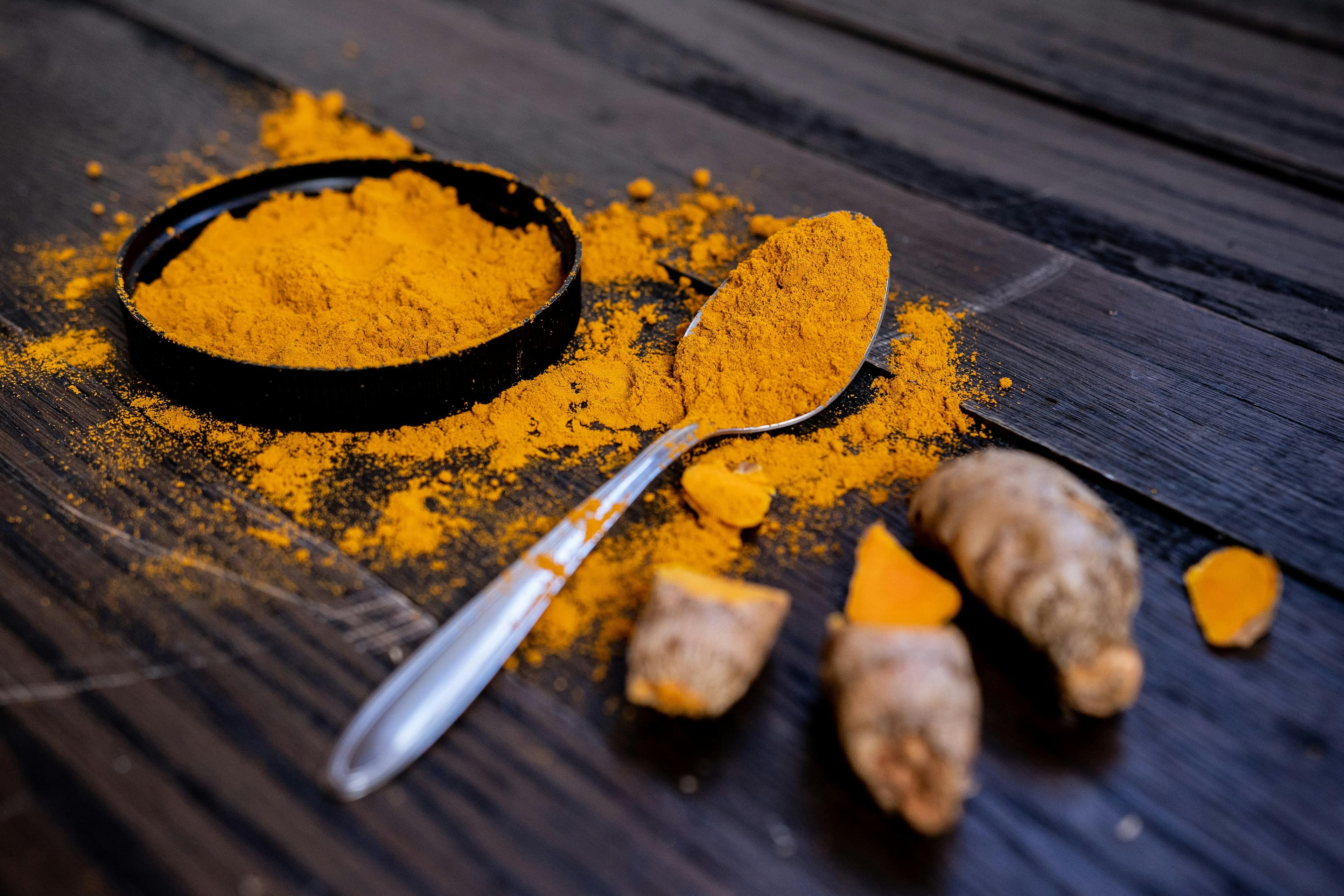
Turmeric supports brain health.
There are several ways to incorporate turmeric into your diet.
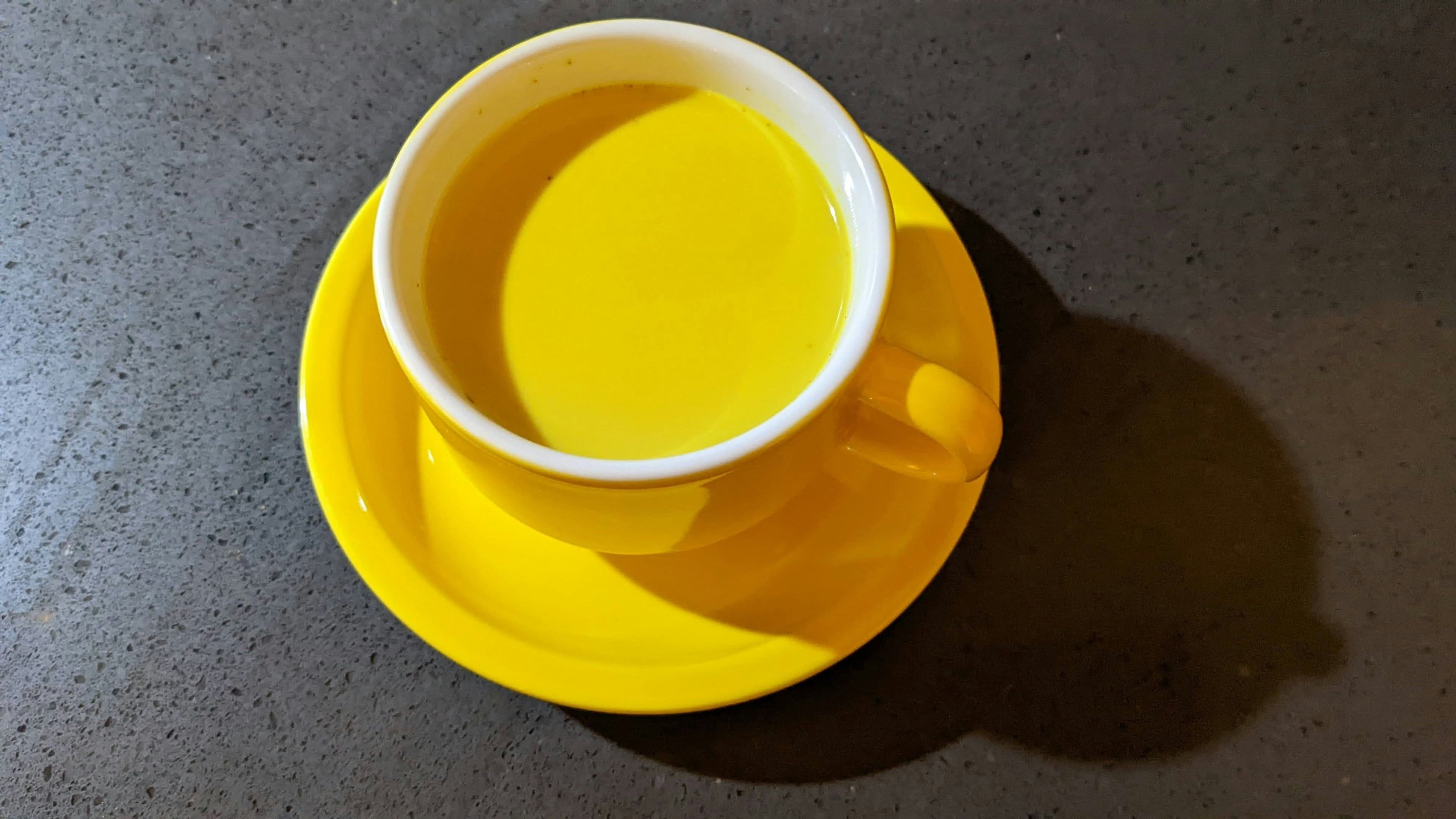
Turmeric milk is a traditional drink known for its anti-inflammatory properties, primarily due to the active compound curcumin found in turmeric.
Turmeric Tea: A great substitute for people who are lactose intolerant, Turmeric Tea is made by adding a teaspoon of turmeric powder to boiling water and letting it simmer for a few minutes. To enhance the flavor you may add a few drops of lemon juice or add a pinch of black pepper to enhance the absorption of turmeric’s beneficial compounds.
As a flavour enhancer: As a flavor enhancer: Turmeric is used daily in Indian and Middle Eastern cuisine as a flavour enhancer in their curries, stews, soups, lentil or bean stews, and rice dishes. You can add a pinch of turmeric when cooking your lentils or roasting your vegetables. It can give your dishes an earthy flavour and a nutritional boost.
Smoothies: Did you know turmeric is added to quite a few smoothies? The most common one is a carrot ginger smoothie, made by combining carrot, ginger, banana, pineapple, turmeric, and lemon. With a pinch of black pepper, this smoothie packs the perfect nutritional punch.
Turmeric Supplements: If you are someone who needs to consume higher amounts of turmeric for medical reasons, fear not, for you can always consider curcumin supplements as an option. Although we suggest only going for supplements under medical guidance, especially if you have a pre-existing health condition, do not risk your well-being by taking an unprescribed supplement.
In this section, we will look at some of the most common beliefs regarding turmeric and see if they are true or not:
Turmeric is a cure for everything. Myth. Turmeric sure has multiple health benefits, but it is not a miracle potion that can cure all ailments. It is a healthy supplement to incorporate into your diet and that’s all. If you are facing any health troubles, consult a doctor, instead of trying to treat yourself.
Cooking turmeric reduces its effectiveness. Myth. It is true that high heat can slightly reduce curcumin’s effectiveness, but cooking turmeric still retains a lot of health benefits and makes it easier to incorporate into the diet regularly.
Curcumin is poorly absorbed by the body. Fact. Curcumin is a beneficial element present in turmeric but is not easily absorbed in the bloodstream. However, consuming turmeric with black pepper or olive oil can enhance curcumin absorption.
Turmeric can replace anti-inflammatory medications. Myth. Turmeric does carry anti-inflammatory properties, but that doesn't mean it can used as a replacement for prescribed anti-inflammatory medications. It is best to view turmeric as a complementary agent rather than as a substitute for prescribed anti-inflammatory medications.
Want to include turmeric in your diet? Here are some recipes for you to try: Recipes with Turmeric
Turmeric is a beneficial spice with several qualities, like being anti-inflammatory, antioxidant, and having digestive properties. However, like most things, if you actually want your body to retain these qualities of turmeric, moderation is key. Turmeric can act as a beneficial component of a healthy diet when consumed in moderation and eaten after being paired with foods or spices that increase its bioavailability. So, Is Turmeric actually healthy for you? Yes, in moderation, it is a great add-on to your diet.
Updated on 24 Jul 2025
Save recipes from anywhere, and get answers, swaps, and help as you cook.


