We use cookies on this website to ensure its proper functioning and to improve the quality of our services. Cookie Policy
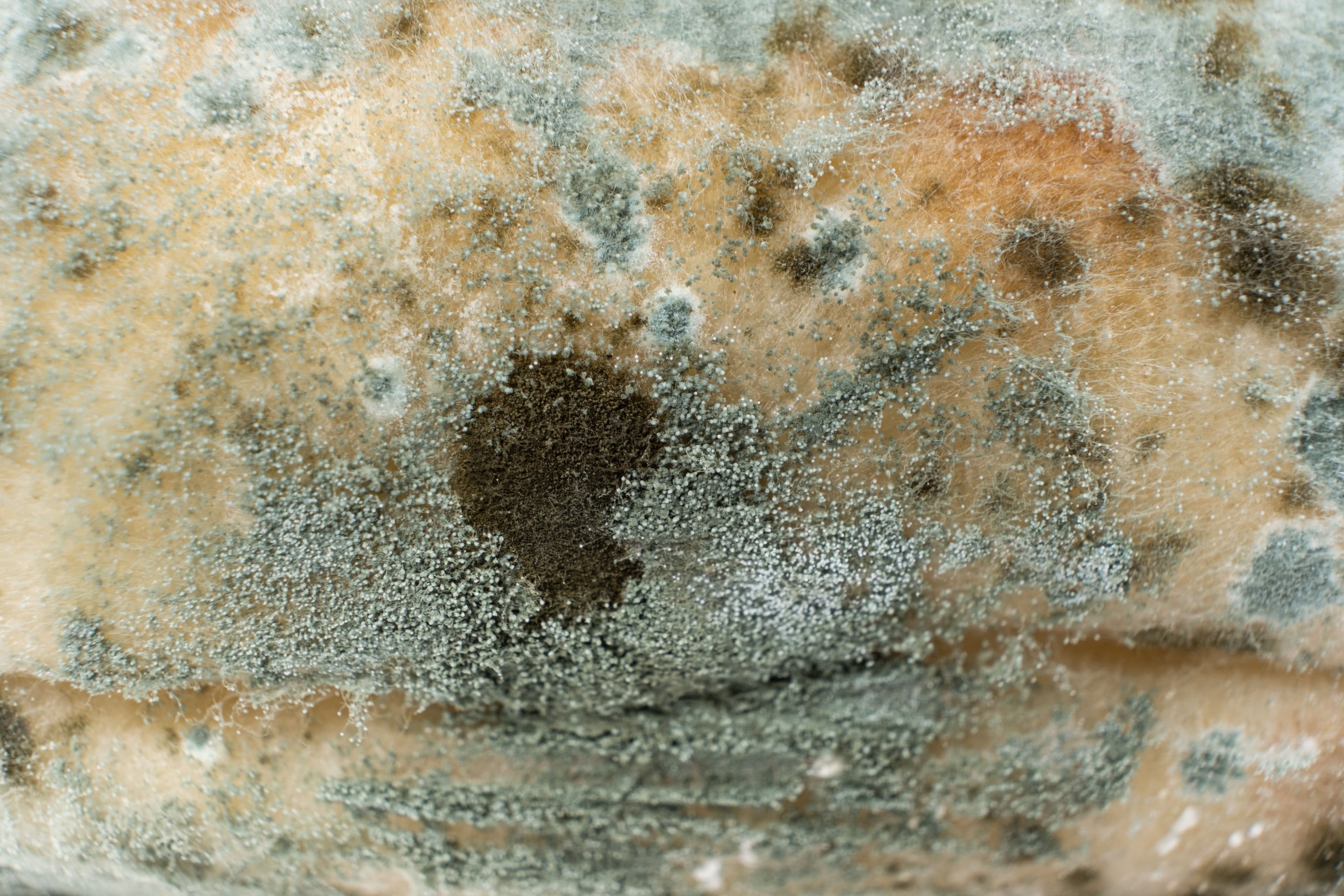
A common dilemma in households around the world is whether it’s safe to eat bread after cutting off the moldy parts. While some believe that removing the visibly affected areas makes the bread safe to consume, food safety experts warn that mold growth is often more extensive than it appears.
At first glance, mold may seem like a surface-level issue on bread, with fuzzy green, white, or blue patches developing over time. However, according to food scientists, mold is more than what meets the eye. Microscopic root-like structures, called hyphae, can penetrate deep into the bread, even if the visible mold is only on one side. This means that even when the moldy portions are removed, invisible growth could still be present throughout the loaf.
Eating moldy bread isn’t just unappetizing—it can also pose serious health risks. Some molds produce mycotoxins, harmful compounds that can lead to nausea, respiratory issues, and in severe cases, long-term health effects. While not all molds are dangerous, it’s impossible to determine by sight alone which types may carry toxins.
For individuals with weakened immune systems, allergies, or respiratory conditions, inhaling mold spores from contaminated food can lead to allergic reactions or breathing difficulties. The Centers for Disease Control and Prevention (CDC) also notes that prolonged exposure to mold can contribute to digestive discomfort and immune system suppression.
While bread is a soft and porous food that allows mold to spread quickly, other foods react differently. Hard cheeses, firm vegetables, and cured meats are more resistant to deep mold penetration, meaning that trimming away an inch beyond the affected area may make them safe to eat. However, experts agree that soft foods, including bread, yogurt, and jams, should be discarded entirely once mold appears.
The USDA’s official guidance is clear: “If mold is found on bread, discard the entire loaf, even if only one slice appears affected.”
Given the risks, food safety experts recommend proper storage to prevent mold formation in the first place. Bread is best stored in a cool, dry place, ideally in a bread box or airtight container. For long-term storage, freezing bread can extend its freshness while preventing mold growth. Refrigeration, on the other hand, may slow down mold development but can also cause bread to dry out more quickly.
Additionally, handling bread with clean hands or utensils can minimize exposure to moisture and bacteria, which accelerate mold growth.
Although it may be tempting to salvage a loaf by cutting around moldy spots, experts overwhelmingly advise against it. The invisible spread of mold, potential mycotoxin exposure, and health risks far outweigh the small savings of keeping the bread. The safest approach is to discard moldy bread immediately and take preventive measures to keep fresh loaves mold-free for longer. For those who hate food waste, repurposing stale (but mold-free) bread into breadcrumbs, croutons, or French toast is a safer alternative to ensure no food goes to waste.
Updated on 21 Jan 2026
Save recipes from anywhere, and get answers, swaps, and help as you cook.

