We use cookies on this website to ensure its proper functioning and to improve the quality of our services. Cookie Policy
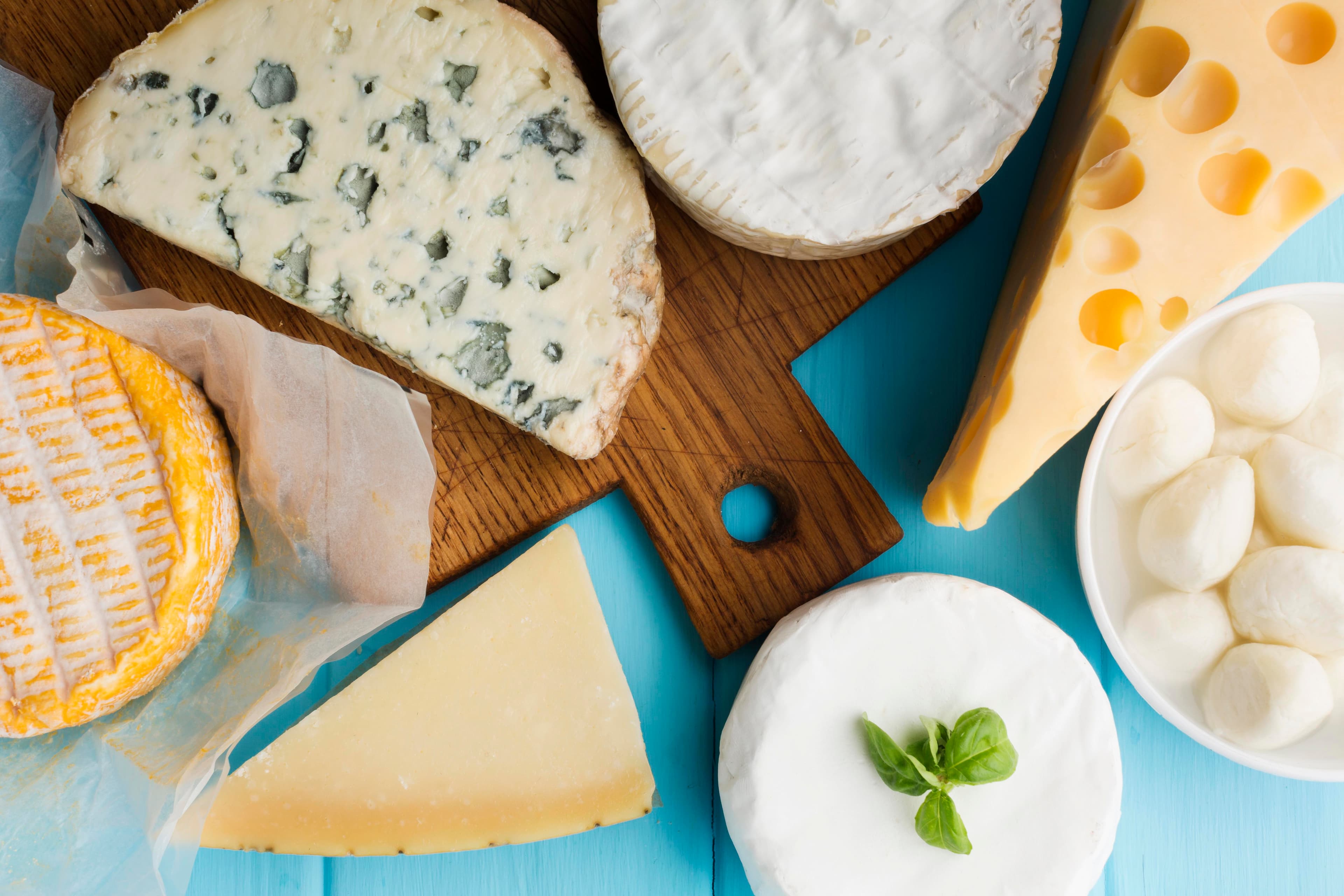
How Cheesy! The sentence is both a compliment and a criticism under different lenses. Much like the ingredient from which it is derived. Cheese has long been contentious as one of the most beloved yet cautionary edibles.
Cheese is probably the best product that has made its space across countries and cuisines. It appears in Europe’s charcuterie board and as a complement to be had with wine. It is almost America’s national food at this point, being used in everything from burgers to pizzas. While Korea uses it in their K-drama-esque corndogs, India grates it in their spicy, tangy curries to bring some balance.
As it became a common name in every cuisine, concerns about its health effects arose. Its high fat and sodium content have caused many people to experience discomfort. While some argue it is packed with essential nutrients, others remain skeptical. So, what is the truth? Is cheese bad for your health? The answer is not as straightforward as a simple yes or no. Let's figure out in this article whether it is bad for your health or not.
Cheese is a nutrient-dense food that provides several essential vitamins and minerals, making it a beneficial addition to a balanced diet. Depending on the type, cheese can be an excellent source of Protein, Vitamins, and Calcium, all of which play vital roles in bodily functions. Some cheeses also contain probiotics, which support digestive health, while others offer high amounts of vitamin B12, crucial for red blood cell production and brain function. However, there is no denying that cheese can also be high in sodium and saturated fat, which means portion control is necessary to avoid potential health risks. Understanding cheese nutrition allows individuals to make informed choices about their consumption types and amounts.
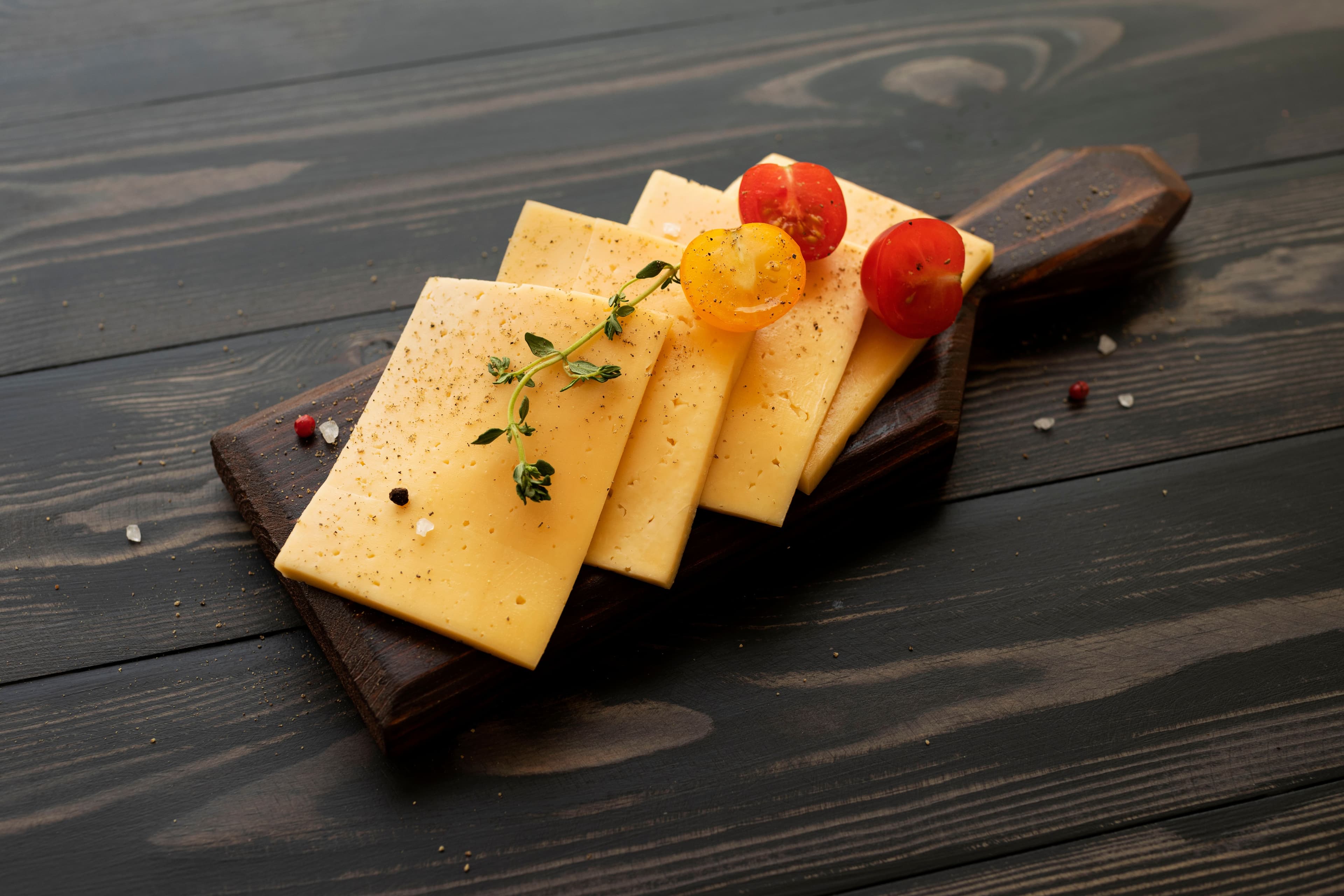
One of the most common troubles that cheese can cause is constipation. Cheese is low in fibre, which helps in smooth digestion. Excessive consumption of cheese, especially without pairing it with fibre-rich foods like fruits and vegetables, can cause slow digestion, hence constipation. Additionally, some cheeses contain casein, a protein that can be difficult to digest for certain individuals. So, if you experience constipation after eating cheese, consider pairing it with high-fiber foods or choosing varieties that are easier to digest, such as goat cheese or ricotta.
Cheese comes in a rainbow of varieties. Some are unique in texture, some in flavor, and most in nutritional profile. This is great as humans, despite having the same biology, we vastly differ in dietary needs and taste preferences. This range makes sure there is something for everyone. Here are some of the most popular types of cheese:
Cheddar – A sharp, firm cheese widely used in sandwiches, burgers, and mac and cheese. It is made from cow’s milk that has been matured for several months. Cheddar is rich in protein, calcium and vitamin K2.
Mozzarella – A soft cheese commonly used in pizza and Italian dishes, known for its mild taste and stretchy texture. Compared to other cheeses, mozzarella is lower in sodium and calories. The probiotics present in mozzarella help improve gut health and decrease inflammation.
Parmesan – A hard, aged cheese often grated over pasta and salads. It is packed with protein and an umami flavor. Parmesan is made from raw, unpasteurized cow’s milk that is aged for at least a year to kill harmful bacteria and produce a complex flavor. It is rich in calcium and phosphorus and very low in lactose.
Feta – A tangy, crumbly cheese popular in Mediterranean cuisine, often used in salads and wraps. Typically made from goat’s or sheep’s milk, it is high in sodium and low in calories.
Blue Cheese – A strong-flavored cheese with blue mold veins, rich in probiotics and distinct in taste. Blue Cheese is quite nutritious. It is high in calcium and sodium.
Goat Cheese – A soft, tangy cheese that is often easier to digest than cow’s milk cheeses, making it a great alternative for those with lactose sensitivities. It is available in several forms, like spreadable logs and crumbles, and can also be whipped to make a delicious dip for fruits and vegetables.
Several cheese varieties contain good amounts of protein. If you are on a protein-heavy diet and looking for cheese varieties with the highest protein content, there are a few options you can choose from. Parmesan is a great option, being one of the richest in protein, with about 10 grams per ounce. Another great option is Swiss Cheese, which contains around 8 grams of protein per ounce. Cheddar comes close to the last one with about 7 grams per ounce. A great high-protein, low-fat option with about 12 grams per half cup is Cottage Cheese. Lastly, ricotta cheese contains moderate protein levels, about 7 grams per half cup. Including these high-protein cheeses in your diet can be beneficial for muscle repair and overall health, especially for those following high-protein meal plans.
If you love cheese, there are countless ways to enjoy it in delicious and healthy recipes. Here are some ideas:
Cheese and Crackers Platter: Bring the essence of an Italian brunch to your home with cheese and crackers platters. The best part about this dish is that you don’t need to cook, only assemble. Bring out all the cheese varieties you have and decorate it on a board along with some unsalted crackers and if you are okay with drinking in the morning then take out a bottle of red wine and enjoy your brunch.
Mac and Cheese: Cheese for Mac and Cheese is required to be creamy. Traditional recipes often use cheddar cheese, which provides a good amount of protein and calcium but can also be high in saturated fat. If you’re looking for a healthier version, try using a combination of lower-fat cheeses like part-skim mozzarella or reduced-fat cheddar. Additionally, incorporating whole wheat pasta and adding vegetables like spinach or broccoli can make mac and cheese a more balanced meal.
To get more cheesylicious ideas, click here.
To conclude, is cheese bad for you? The answer is that it depends. The amount of cheese consumed, the types of cheese consumed, your allergies, reactions, and a few other variables. It does come with its downsides, but it also brings in its rich nutritional profile. With cheese, the key lies in moderation and mindful choices. Rather than avoiding cheese altogether, aim for balance and opt for high-quality, nutrient-rich varieties. When consumed in reasonable amounts, cheese can be both a delicious and nutritious part of a healthy lifestyle.
Updated on 24 Jul 2025
Save recipes from anywhere, and get answers, swaps, and help as you cook.

