We use cookies on this website to ensure its proper functioning and to improve the quality of our services. Cookie Policy
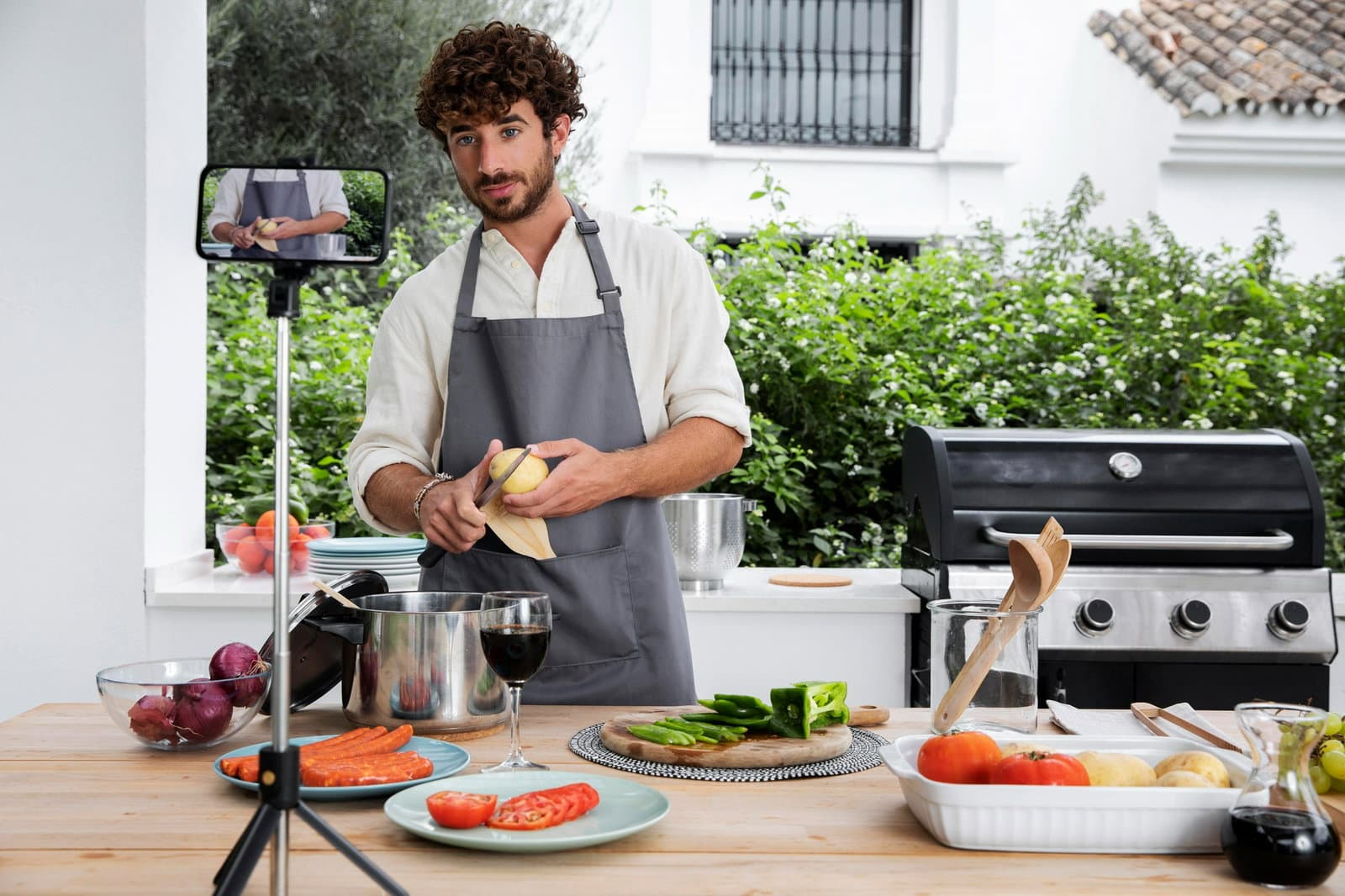
Starting a profitable food blog in 2026 means picking a specific niche, publishing on a platform that handles your SEO automatically, and building more than one income stream from the start. The median food blogger now earns over $9,000 a month, but the ones who get there have a plan, not just recipes. By the end of this guide, you'll know the 10 steps that separate a food blog that earns from one that doesn't go anywhere.
So you want to start a food blog? Read how.
Maybe you've been sharing recipes with friends and family for years. Maybe you're a home cook who photographs every dish before eating it. Maybe you just know your food is good - and you're wondering if there's a way to actually earn from it.
There is. And 2026 is a genuinely good time to start.
Food blogging is still one of the most profitable niches on the internet. According to ZipRecruiter, the average food blogger in the US earns $62,275 a year. The ones who crack it? They earn that in a month. The median food blogger earns over $9,000 a month (RankIQ, 2025).
But here's what nobody tells you: most food blogs that fail don't fail because the recipes are bad. They fail because the creator didn't have a plan.
This guide is the plan. Ten simple tips to start a food blog that actually earns - written for home cooks and food creators anywhere in the world.
"Food blog" is not a niche. It's a category with millions of pages competing in it.
Your niche is the specific corner of food you can own. The more specific, the better - especially when you're starting out. A tight niche means Google understands your food blog faster. That means your recipes show up in search sooner. That means readers, and eventually income.
Some food blog niches with strong search demand in 2026 :
Don't overthink it. Pick something you'll still want to cook two years from now. The right niche feels obvious in hindsight - pick the one that matches your actual cooking life.
Here's a frustration almost every food creator knows: you spend hours perfecting a recipe, you post it on social media, and it disappears. The algorithm buries it. Three likes, maybe a save, and that's it.
Social media was never built to help your recipes get found. It was built to keep people scrolling.
A food blog is different. When you publish a recipe on a proper platform with search optimization built in, that recipe can show up on Google for years. Someone searching "easy high-protein chicken dinner" at 6pm on a Tuesday finds your recipe - not because you posted at the right time or used the right hashtag, but because your content answered their question.
That's the compounding power of a food blog over social media. One good recipe post can bring you readers every single day without you doing anything else.
Chefadora is built exactly for this. Every recipe you publish on Chefadora is automatically set up to be found on Google - with the right structure, the right formatting, and the right signals that search engines look for. You don't need to understand any of the technical side. You just cook and write. Chefadora handles the rest, while you get paid.
Understand how to Make money as a food content creator without a huge following.
Start your food blog on Chefadora - it's free →
The food blogs that grow fastest aren't just publishing what they feel like cooking. They're writing about what people are actively looking for.
This doesn't mean chasing trends blindly. It means paying attention to what your potential readers type into Google - and making sure your recipes answer those searches.
Some simple ways to find what people search for :
For a new food blog, go specific. "Pasta recipes" are too broad and too competitive. "5-ingredient creamy pasta with tinned tomatoes" has real search demand and far less competition. That's how a new food blog gets found.
The goal isn't to game anything. It's to make sure the right person finds your recipe at the right moment.
Read : No-Cook Summer Recipes 2026 : What the World Is Eating When It's Too Hot to Cook
Your recipe photo is the first thing people see - on Google, on Pinterest, anywhere your food blog shows up. A great photo gets clicked. A bad one doesn't.
You don't need a professional camera. A phone, a window, and daylight will take you a very long way.
Three things that immediately make food photos better :
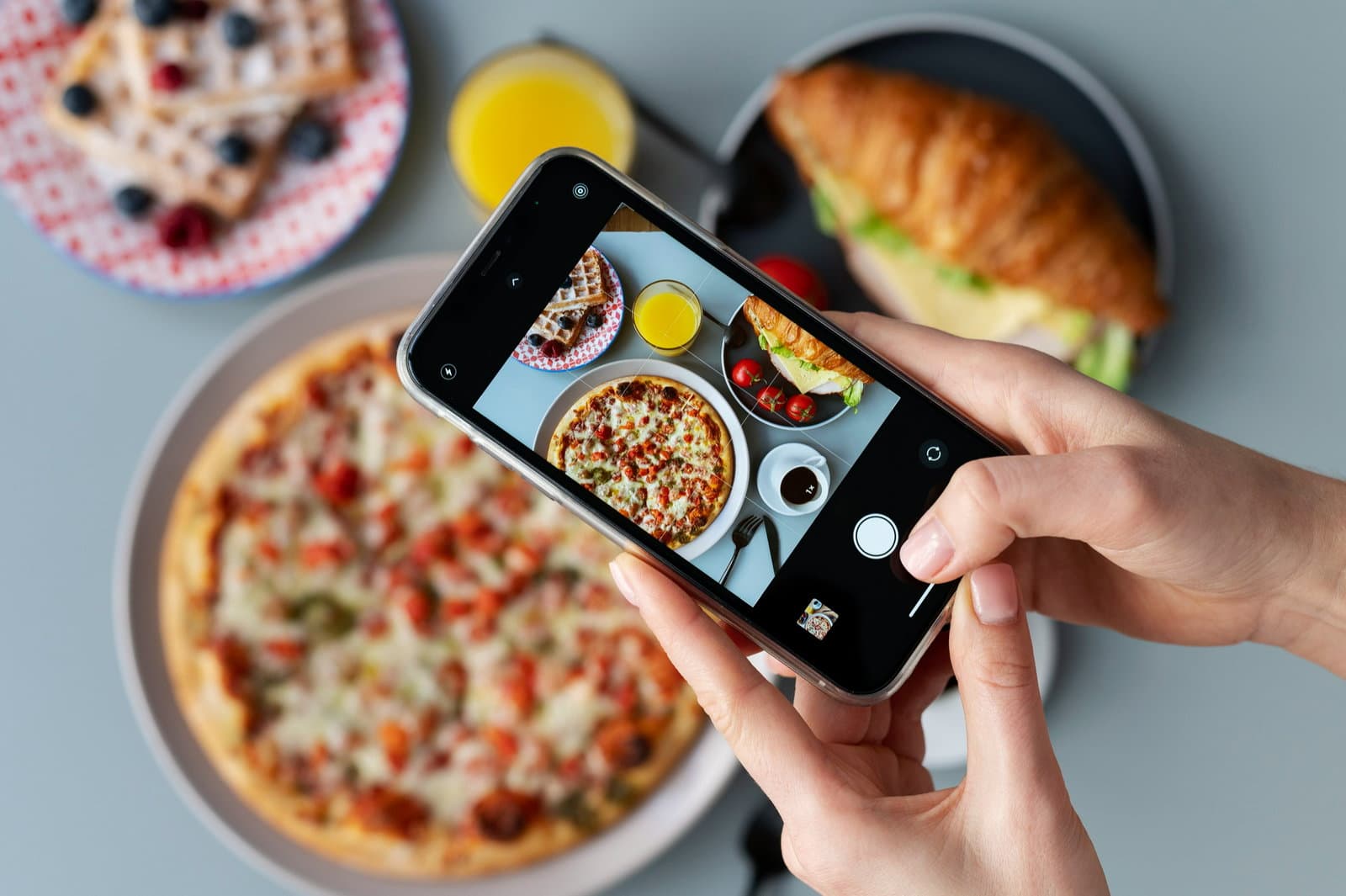
Once your food blog is up and running, go back and retake the photos on your oldest posts. Better photos on old recipes regularly lead to a jump in Google rankings - without changing a single word of the recipe itself.
You don't need to post every day. That's old advice that doesn't hold up anymore.
One well-written, well-photographed recipe post a week is plenty. Google cares about quality - a detailed, helpful recipe with good structure will keep bringing in readers for years. Five rushed posts with thin content will bring in almost nothing.
Pick a schedule you can actually stick to. Consistent and sustainable beats the intense and short-lived every time.
Quick Read : Do food creators really need to post everyday to stay relevant.
One practical tip : plan your food blog content 8 to 12 weeks ahead of seasonal peaks. If you want people to find your Thanksgiving recipes in November, publish them in September. If you want summer grilling traffic, write those posts in April. Google needs time to find and rank new content - plan ahead and you'll catch the traffic wave right as it builds.
The fastest way to grow a new food blog is to write about food categories that have real, growing search demand - before they peak.
These aren't viral moments. They're steady trends with staying power. Write about them now and your recipes can rank right as search traffic for them hits its highest point.
The food categories with the strongest search growth right now :
Writing about these now - while they're still building - means less competition and a real chance to rank.
Want to go deeper on what's trending this year? Read : 2026 Food Trends Every Creator Should Know →
Google is powerful. But relying on Google alone for your food blog traffic is a real risk - algorithm updates have wiped out months of work for food bloggers overnight.
The food blogs that survive those updates are the ones that built more than one traffic channel.
You don't have to do all of these at once. Pick one channel alongside your food blog and build it steadily.
Food bloggers who earn the most don't rely on a single income source. They build several - and the income compounds when they all run together.
Here's how food blog monetisation actually works in 2026:
The food bloggers earning $10,000 a month almost always have three or four of these going at once.
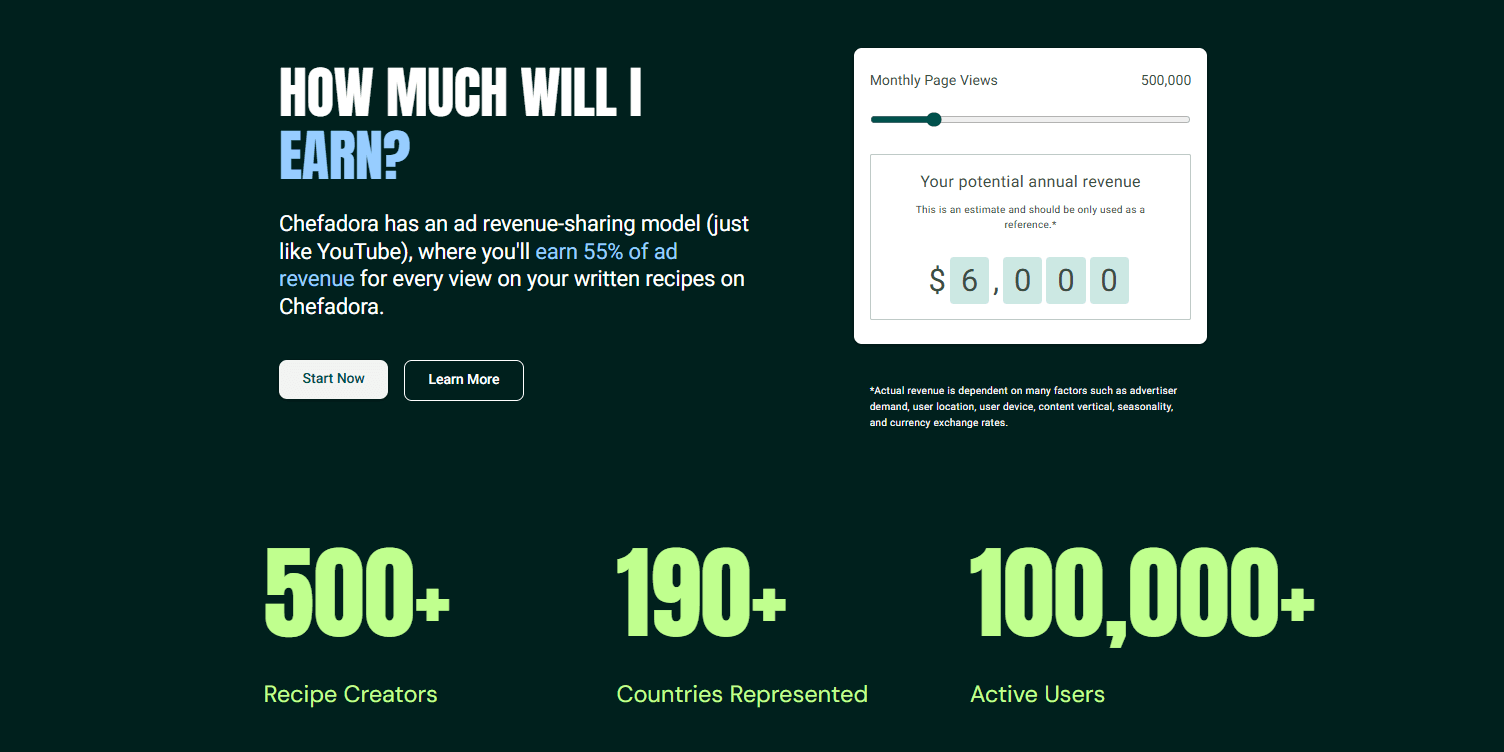
On Chefadora, you earn 55% of ad revenue from every view on your recipes - plus you can add affiliate links directly into your recipe posts. No traffic threshold to cross first. See how the Earn Program works →
Once your food blog has been running for six months, updating old posts often brings better results than writing new ones.
Find the recipes that show up in Google but don't get many clicks. Those are your fastest wins. Change the title to be more specific. Add a better photo. Rewrite the first two sentences to be clearer. Fix any broken links. Add links to your newer content.
A recipe post updated in 2026 sends stronger signals to Google than one sitting untouched from 2024. It also gives you a chance to add air fryer instructions, plant-based adaptations, or budget swaps - things your readers are increasingly searching for.
Small changes across 20 or 30 old posts add up quickly.
Traffic is a number. Community is why readers come back.
The food blogs that last for years are the ones where readers feel a genuine connection to the creator. Not just a recipe database - a person they trust in the kitchen.
Reply when someone makes your recipe and tells you about it. Share the story behind a dish, not just the method. Ask your readers what they want to cook next. When people feel like they're cooking with someone rather than following instructions from a stranger, they bookmark your food blog, they share your recipes, and they keep coming back.
Your readers will also tell you exactly what to write next. The questions they ask, the things they struggle with, the occasions they're planning for - that's better content research than any tool.
Starting a food blog used to mean months of technical setup before you could even publish your first recipe.
Chefadora.com changes that.
Every recipe you publish on Chefadora is automatically optimised for Google search - with the right structure, the right recipe formatting, and the right signals that help your content get found. There's no hosting to manage, no plugins to install, no technical knowledge needed. You write the recipe. Chefadora handles everything else.
You also earn from day one. Chefadora's Earn Program gives you 55% of ad revenue from your recipe views, plus full affiliate link integration - starting from far lower traffic than traditional ad networks require.
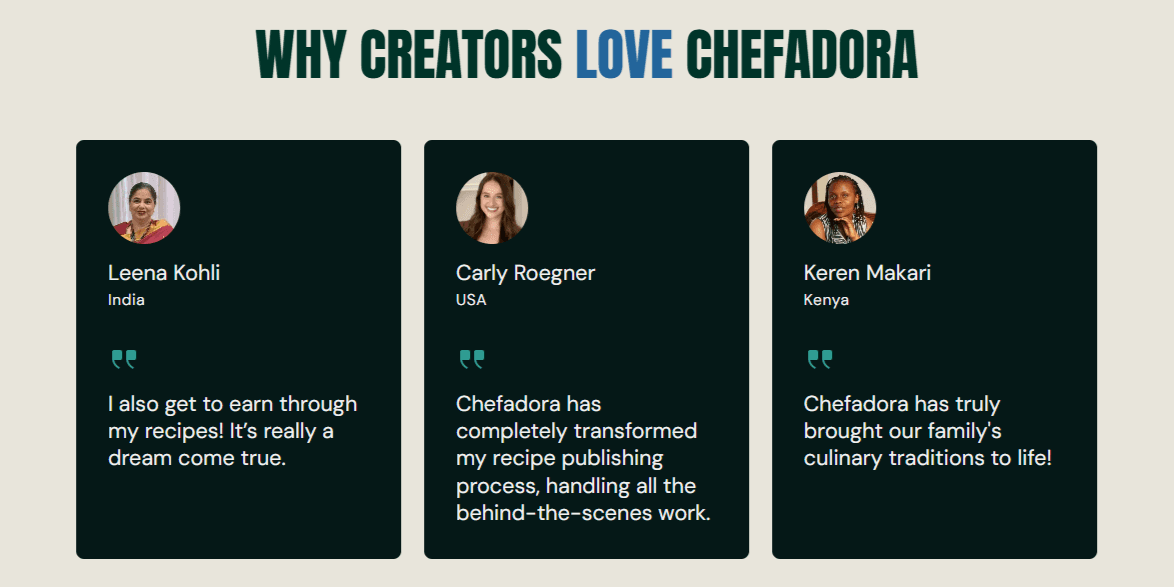
Thousands of food creators from around the world are already publishing, growing, and earning on Chefadora. Home cooks. Recipe writers. Creators who started with nothing but a love for food.
Your recipes are good enough. The only thing missing is a platform that works as hard as you do.
Start your food blog on Chefadora - completely free →
Q1. How do I start a food blog in 2026?
A1. Pick a specific food niche. Publish on a platform that handles your SEO and recipe formatting automatically - like Chefadora. Post consistently, use affiliate links from your first recipe, and build toward premium ad income over time. Most food bloggers who earn well have at least three income streams running at once.
Q2. Can you really make money from a food blog?
A2. Yes. The median food blogger earns over $9,000 a month (RankIQ). The average US food blogger salary is $62,275 a year (ZipRecruiter, 2026). It takes time and consistency - but it's a real income path.
Q3. How long does it take to start earning?
A3. First affiliate commission: usually 3 to 6 months. Around $500 a month: 12 to 18 months of consistent work. Full-time income: typically 2 to 5 years once your traffic is high enough for premium ad networks. On Chefadora, you can start earning from ad revenue much earlier.
Q4. Do I need a website or WordPress to start a food blog?
Q4. No. Chefadora is a recipe sharing platform built specifically for food creators - no hosting, no setup, no plugins. Your recipes are SEO-ready from the moment you hit publish. Start free here →
Q5. What food blog niche should I pick in 2026?
A5. High-protein meal prep, gut health recipes, global comfort food, budget vegetarian cooking, and dietary-specific recipes (gluten-free, plant-based, Mediterranean) all have strong and growing search demand with room for new voices.
Q6. What is Chefadora?
A6. Chefadora is a recipe sharing platform built for food creators who want to publish recipes, get discovered on Google, and earn from their content - without managing a website. You earn 55% of ad revenue from every recipe view plus full affiliate earnings. It's free to join. Start here →
Starting a food blog feels big. But it really comes down to one thing, getting your recipes in front of the people who are already looking for them. You don't need a huge following. You don't need to be a trained chef. You don't need to understand the technical side of the internet. You just need good recipes, a consistent habit of sharing them, and a platform that does the hard work of getting them found. Every food creator who earns real money from their recipes started with zero readers. The difference between them and everyone else wasn't talent. It was showing up consistently, with intention, past the point where most people give up. Your food has a story. Someone out there is searching for exactly the dish you already know how to make. The only question is whether they can find you. Chefadora was built to make sure they can.
Updated on 26 Aug 2026
Save recipes from anywhere, and get answers, swaps, and help as you cook.

