We use cookies on this website to ensure its proper functioning and to improve the quality of our services. Cookie Policy
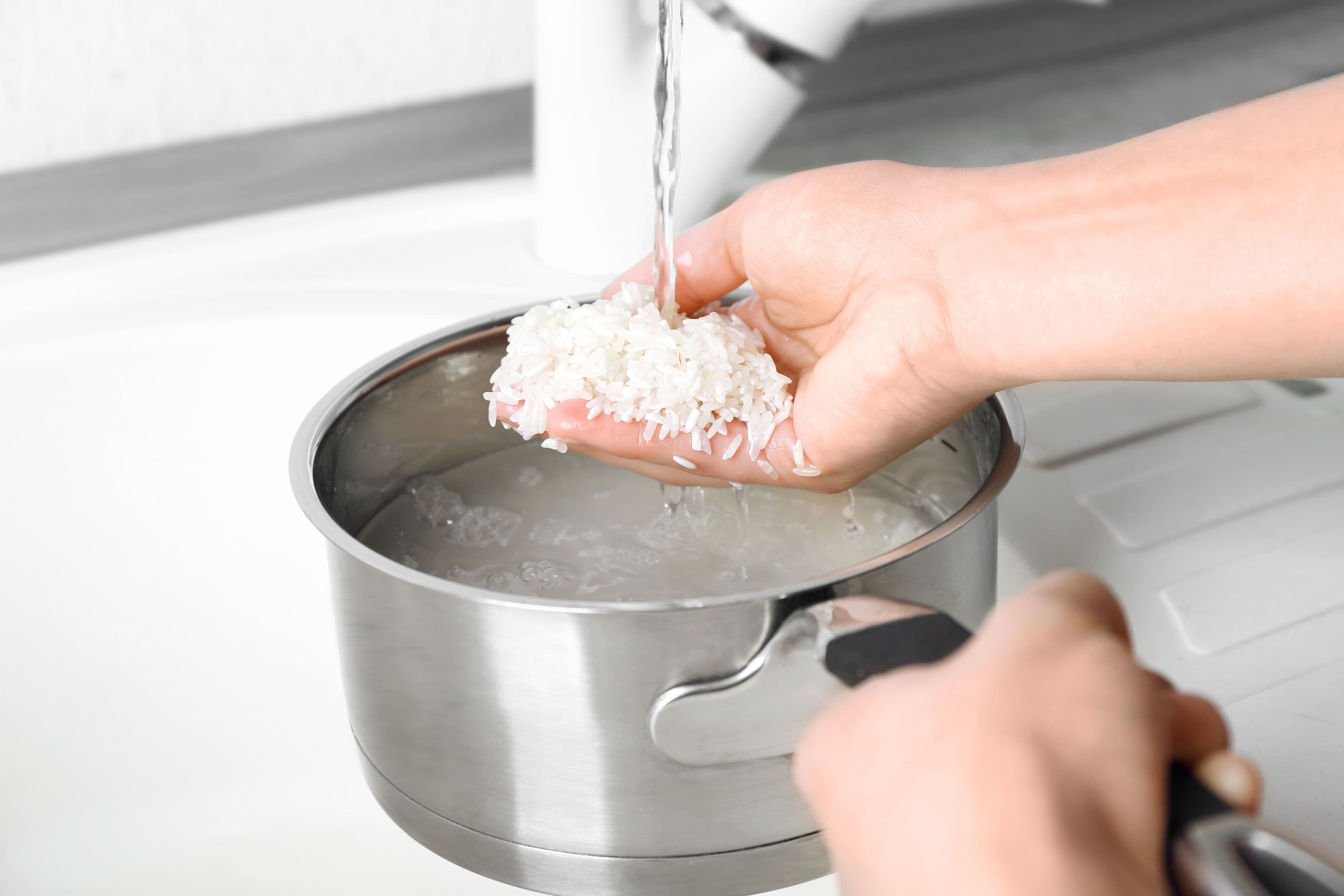
Rice is a staple in kitchens all around the world, from comforting bowls of steamed basmati to fragrant biryani or simple fried rice. But before you start cooking, there’s one important step you should never skip: WASHING THE RICE. It might feel like an extra chore, but this small step makes a big difference in taste, texture, and even cleanliness.
Removes Excess Starch
Rice grains naturally carry a layer of surface starch. If you cook them without rinsing, that starch turns into gum, making your rice clump together. Washing helps remove this layer so your rice cooks up fluffy, light, and with separate grains.
For classic comfort dishes, well-rinsed rice makes recipes like Curd Rice (Thayir Sadam) and Tamarind Rice (Puliyogare) taste even better.
Gets Rid of Dust and Impurities
During harvesting, polishing, and packaging, rice can pick up dust, husk bits, or even tiny stones. Washing ensures your rice is free from these particles and safe to eat.
Improves Taste and Aroma
Clean rice absorbs flavors better, tastes fresher, and looks more appealing on the plate. You’ll notice the difference, especially in dishes like pulao or plain steamed rice.
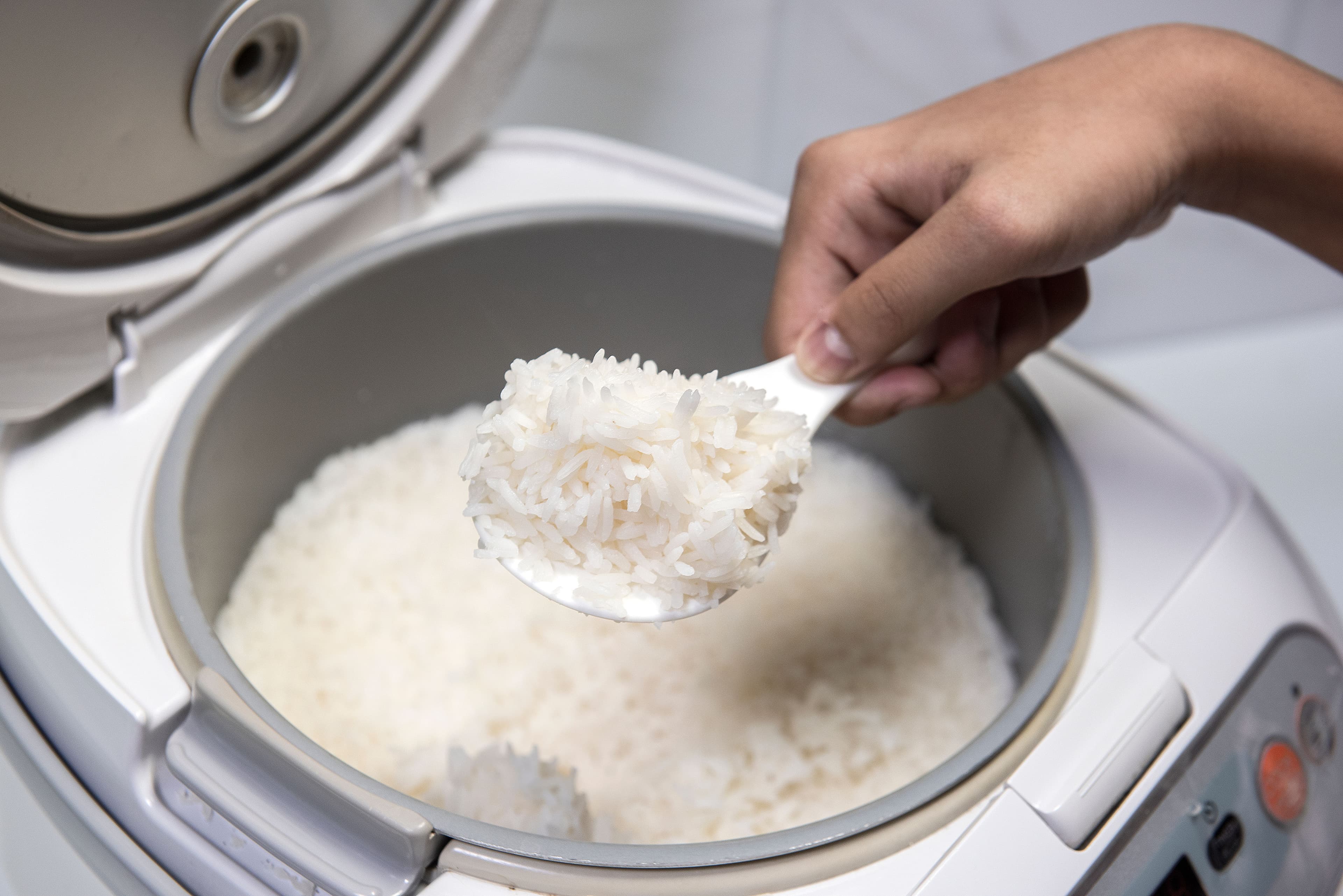
try flavorful dishes like Narali Bhaat (Sweet Coconut Jaggery Rice) or Mango Rice where clean, well-rinsed rice truly shines.
Controls Stickiness
Some recipes, like risotto or sushi rice, benefit from stickiness, so you may rinse less. But for everyday cooking, thorough washing gives the best results.
Measure the Rice
Decide the quantity you want to cook and place it in a large bowl.
Add Water
Pour in enough cold water to cover the rice completely.
Swirl the Grains
Gently move the rice around with your fingers. You’ll notice the water turn cloudy—this is the starch being released.
Drain the Water
Tilt the bowl carefully to pour away the cloudy water, using your hand or a strainer to prevent rice from escaping.
Repeat the Process
Add fresh water and rinse again. Do this 3–4 times until the water runs almost clear. This shows most of the starch and impurities have been washed away.
Soak if Needed
Some types of rice, especially basmati, benefit from soaking for 20–30 minutes after rinsing. This step helps the grains absorb water, resulting in longer, softer, and evenly cooked rice.
Basmati or Long-Grain Rice: Needs thorough washing and soaking for fluffiness.
Jasmine Rice: Wash gently but avoid long soaking, as it can become too soft.
Sticky or Sushi Rice: Wash until water is clearer, but don’t remove all starch since it helps the grains bind.
Brown Rice: Wash well to remove dust, though it doesn’t release much starch.
Washing rice may feel like a small step, but it has a big impact. It gives you cleaner, fresher, fluffier rice and prevents stickiness. Whether you’re making a simple bowl of steamed rice, a festive biryani, or fried rice, taking a few minutes to rinse your grains is the secret to perfect results every time.
Updated on 18 Sept 2025

Save recipes from anywhere, and get answers, swaps, and help as you cook.

