How the Michelin Guide Went From Tires to Top Tables
The surprising journey of the Michelin Guide—from a free tire company booklet to the gold standard in global fine dining.
by Gopika PV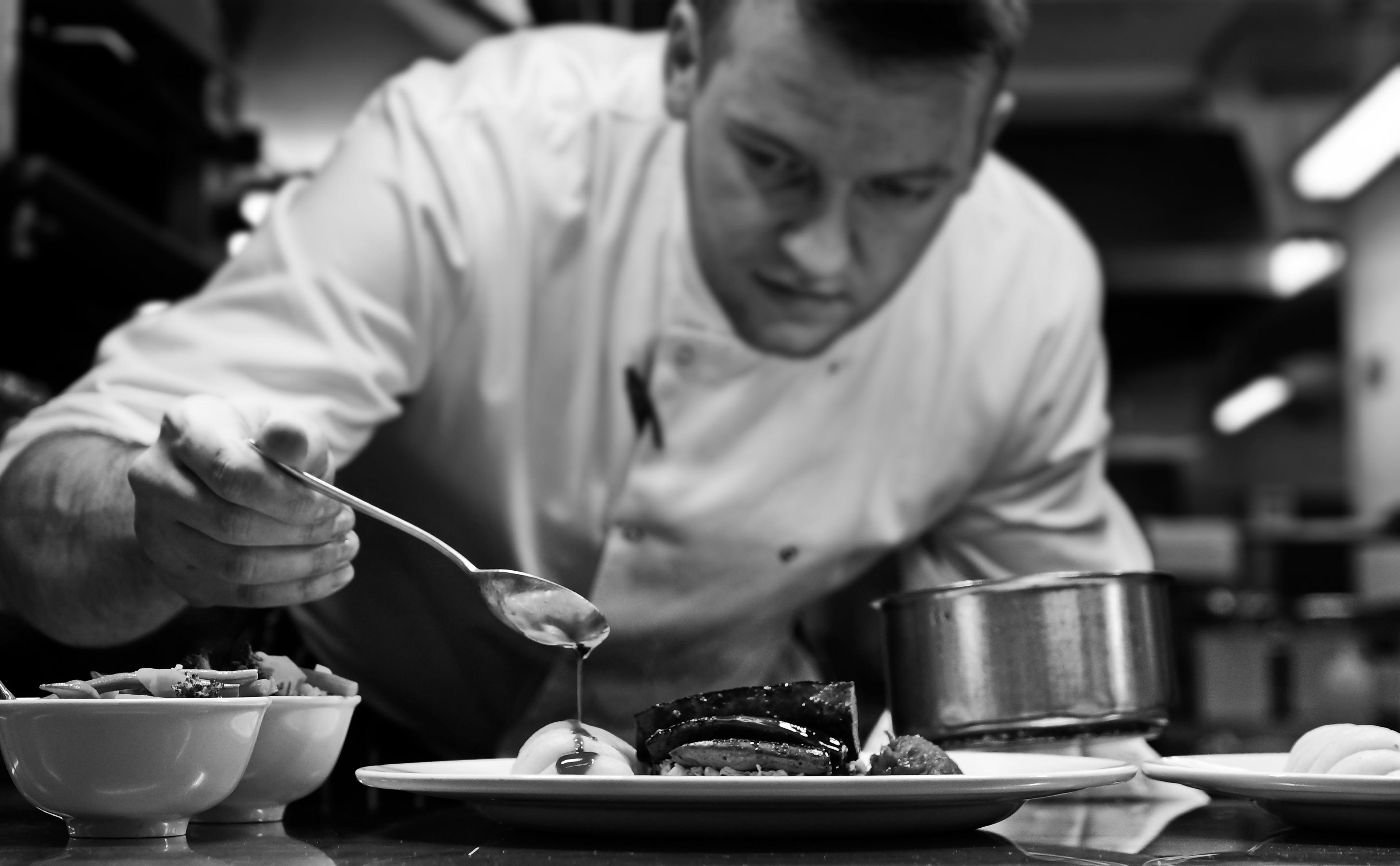
When people hear the name "Michelin" today, they often think of fancy restaurants and shiny stars. But the story of the Michelin Guide is actually rooted in something very different; tires. That’s right, the world’s most respected restaurant rating system started as a clever marketing idea by a tire company over 120 years ago.
Table of Contents
A Tire Company’s Clever Idea
Back in 1900, the French brothers André and Édouard Michelin were running a tire company. At the time, cars were still rare so not many were buying tires. So they came up with a smart plan: create a travel guide for drivers.
The first Michelin Guide included useful information for road trips—like maps, places to get gas, mechanics, and spots to rest overnight. It was given away for free, designed to help new drivers and promote the idea of traveling by car.
From Travel Help to Restaurant Ratings
As more people started to drive, the guide became more popular. Eventually, the Michelin brothers noticed that travelers also wanted to know where to eat. So they began adding restaurants to the guide.
At first, it was just a list of places where drivers could get a decent meal. But over time, it became more detailed. In 1926, Michelin introduced a star system to highlight top-quality restaurants. Later, in 1931, they expanded it into the now-famous three-star rating:
- One star meant the food was good and worth stopping for.
- Two stars meant the food was excellent and worth a detour.
- Three stars meant the food was so special, it was worth planning an entire trip around.
This rating system became a big deal in the food world, and chefs everywhere began striving for Michelin stars.
From France to the World
They went from being a French road tool to a global authority on fine dining. Today, the Michelin Guide covers cities and countries all around the world, from Tokyo to New York to São Paulo. It rates tens of thousands of restaurants and is still respected as one of the top honors a chef or restaurant can receive.
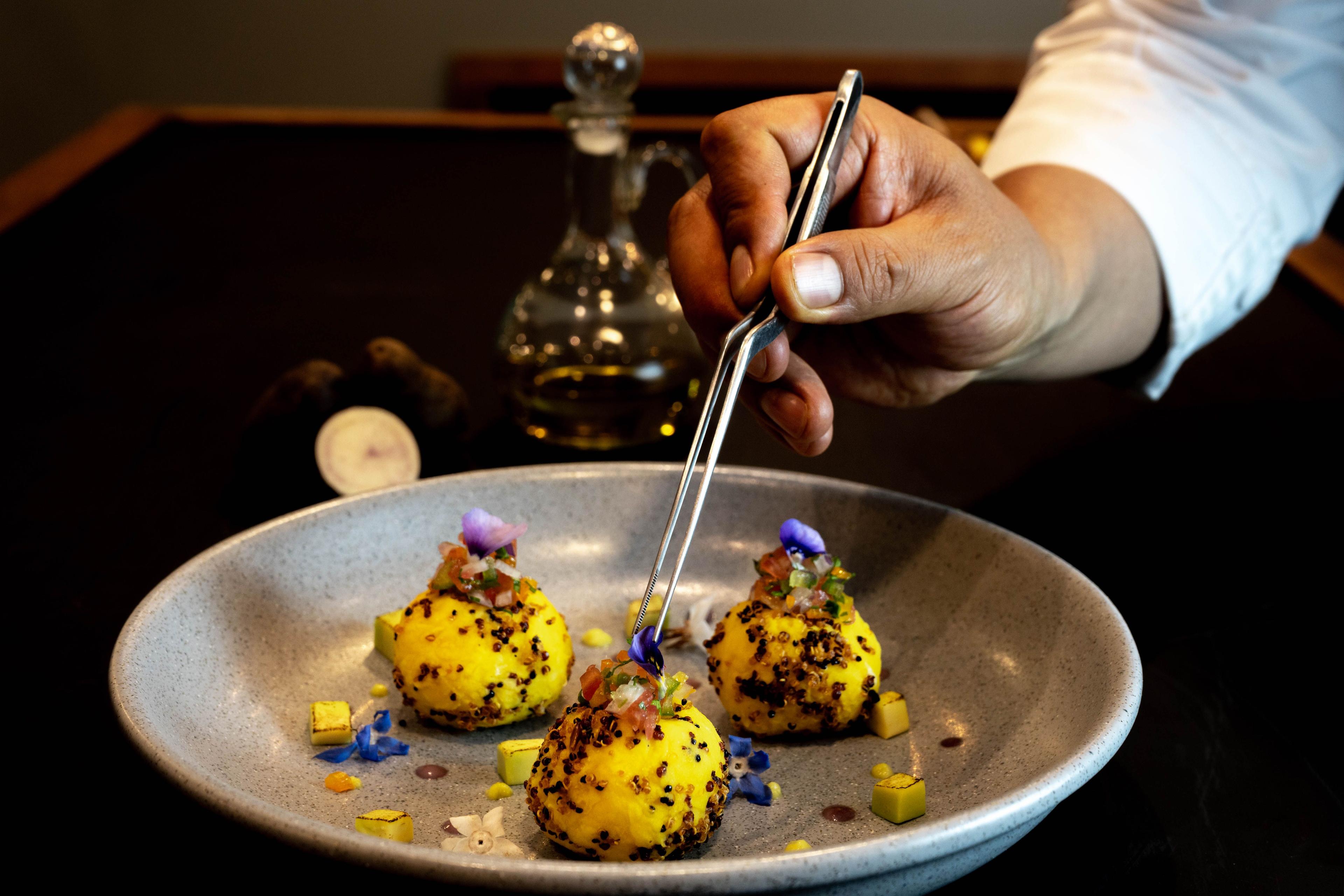
Getting a Michelin star can change a restaurant’s future overnight—bringing in more guests, raising prices, and boosting a chef’s reputation instantly.
It’s interesting to think that a company selling tires ended up creating one of the most powerful forces in the culinary world. What started as a smart way to sell more tires has turned into a global symbol of food excellence. The Michelin Guide is a great example of how creative ideas in one field can have a huge impact in another. From tires to truffles, it’s a story of innovation that took a surprising turn—and left a delicious mark on the world.
Updated on 21 Jan 2026
About the author
Gopika PVGopika PV has written for the Chefadora blog since January 2025, mostly in its Chefadora Spotlight and Seasonal Trends categories.
More from Gopika PV
Your recipes can talk now 👀
Save recipes from anywhere, and get answers, swaps, and help as you cook.
