We use cookies on this website to ensure its proper functioning and to improve the quality of our services. Cookie Policy
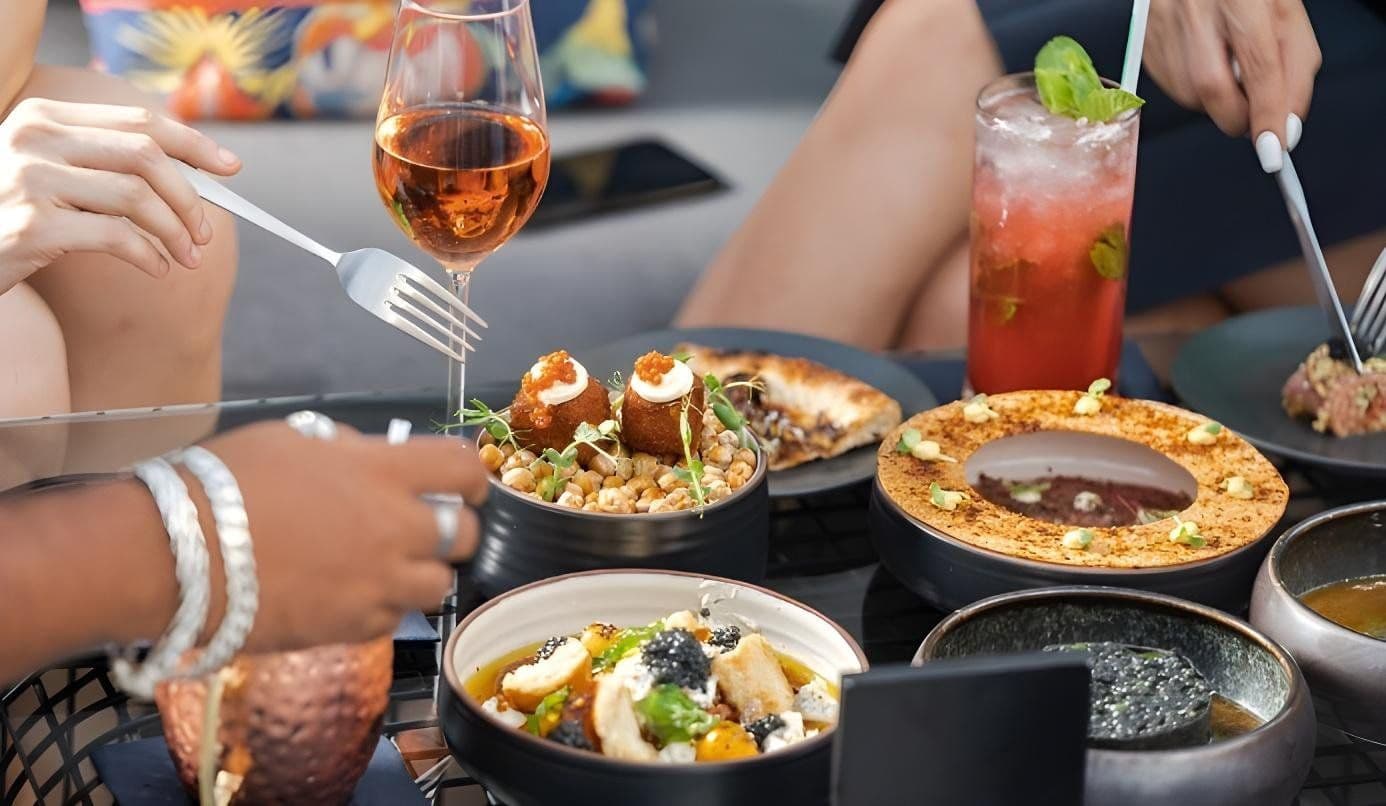
If you’ve ever heard your commercial dishwasher kick on before the dinner rush, you know how quiet that 3:45 PM window used to be. But not anymore. Earlier dining is in, and the trend’s growing popularity makes it impossible to ignore. Whether it’s changing family dining habits, flexible work hours, or health-conscious routines, more guests are showing up before 5, ready to eat.
For food businesses, that means opportunity. By designing all-day menus that serve real dinner, just earlier, you can turn traditionally slower periods into steady revenue. And it’s not about adding more dishes. It’s about smarter structure, better portions, and food that fits real life.
Let me share some tips on how to do it right, for the guests walking in hungry at 3:45, and for the teams trying to serve them without breaking stride.
3:45 P.M. used to be the dead zone. Lunch was long over, dinner hadn't begun, and your staff was just resetting the line. But lately? That “in-between” time has started to hum with new potential.
More and more diners are walking in earlier, and they’re not just killing time. They’re hungry and they’re intentional.
If you run a restaurant, café, or anything in between, you’ve probably seen them already:
Retirees looking for a calm, crowd-free meal
Remote workers grabbing their first real bite of the day
Parents refueling after the school run or serving children dinner significantly earlier
Younger diners embracing TikTok's "girl dinner" trend (eating something snacky, pretty, and light)
Honestly, I’ve been in their shoes, too: skipping lunch because the day got away from me, then craving something warm, fresh, and comforting before dinner hours technically begin. You don’t want a full plate… but a granola bar isn’t cutting it either.

And while this early dinner trend may feel new, it’s not. Think Midwestern supper clubs. Church suppers. Mom-and-pop diners with a roast beef special at 4 P.M.
Today, the early dinner concept is about flexibility and intention. People want food that fits how they live now, whether that’s energy cycles, work schedules, digestion, or just preference.
So, what does this guest want when they walk through your door?
Here’s what they’re likely looking for:
The answer is simple, but specific. These guests tend to look for:
Light but filling meals (e.g., warm grain bowls, wraps, or soup-and-sandwich combos)
Classic comfort dishes (e.g., full roast, mashed potatoes, or grilled fish)
Fresh flavors and comfort (e.g., a house-made lemonade, a crisp salad, or a warm cookie)
Quick service that doesn't feel rushed
Flexible portions and choices
Freshly prepared foods, not just heat-and-serve
If you’ve ever tried to design an all-day menu, you know the challenge: offer "something for everyone" without overwhelming your kitchen. You want flexibility, but you also need structure. A menu that flows, makes sense to your team, and doesn’t leave guests guessing what’s available.
I've seen many menus try to do it all and fall flat. So, here are some formats you can try to make all-day menus work.
This is the simplest format: everything is available, all day. If someone wants avocado toast at 4 PM or a burger at 10:30 AM, they can have it. No second-guessing. No “sorry, not yet.”
It works best for places with a small-to-medium menu and consistent prep, such as cafés, fast-casual spots, diners, or bakeries that lean into all-day appeal.
People eat when it fits their day now, not when a schedule tells them to. If your commercial kitchen can handle the rhythm, this format keeps things smooth and guest-friendly.
Let’s say you offer separate lunch and dinner menus, but people still wander in mid-afternoon. A modular menu gives you flexibility without confusion.
Just carve out an “Available Anytime” section. These are your reliable go-tos, maybe a turkey pesto wrap, warm grain bowl, or your signature soup-and-salad combo.
The guest sees exactly what’s fair game at 3:45, and your kitchen always knows what’s ready to go. No awkward “we’re between menus” moment. Just smooth, steady service.
This one’s bold but brilliant if your mid-afternoon traffic is growing.
Instead of bridging lunch and dinner, create a menu that is dinner, just earlier. Think comforting mains, warm bowls, balanced plates, or family-ready options, designed for guests who are hungry now, but not waiting until 7.
Some guests are here for health reasons: they sleep better, digest better, and feel better eating earlier. Others just want to avoid the dinner rush. Either way, this is real dinner, on their terms.
You could even brand it: The Reset Menu, Early Dinner Club, Midday Mood. A thoughtful, flexible offering that turns off-peak hours into a signature experience.
Some guests walk in at 3:45 knowing exactly what they want. Others just want flexibility; something they can shape to fit their mood or appetite.
A build-your-own format allows guests to be in control of their meal (this leads to repeat customers). Let them combine grains, proteins, sauces, or sides. Offer half-sandwiches, soup pairings, sliders, or hummus bowls. It’s personal, balanced, and easy to scale up or down.
This style works especially well in fast-casual settings or anywhere that thrives on customization. It meets people where they are without locking them into a one-size-fits-all plate.
Want to keep your menu tight but still fresh ? Seasonal inserts are your friend.
Slide in a printed card, chalkboard, or tablet screen with rotating specials, ideally timed for those slower hours. Maybe a roasted beet tartine in fall, a chilled noodle bowl in spring, or whatever your team is excited about today.
It gives your early guests something new to discover and gives your kitchen a creative outlet without rewriting the whole menu.
Even one or two special items can make your 3:45 offering feel fresh and intentional.
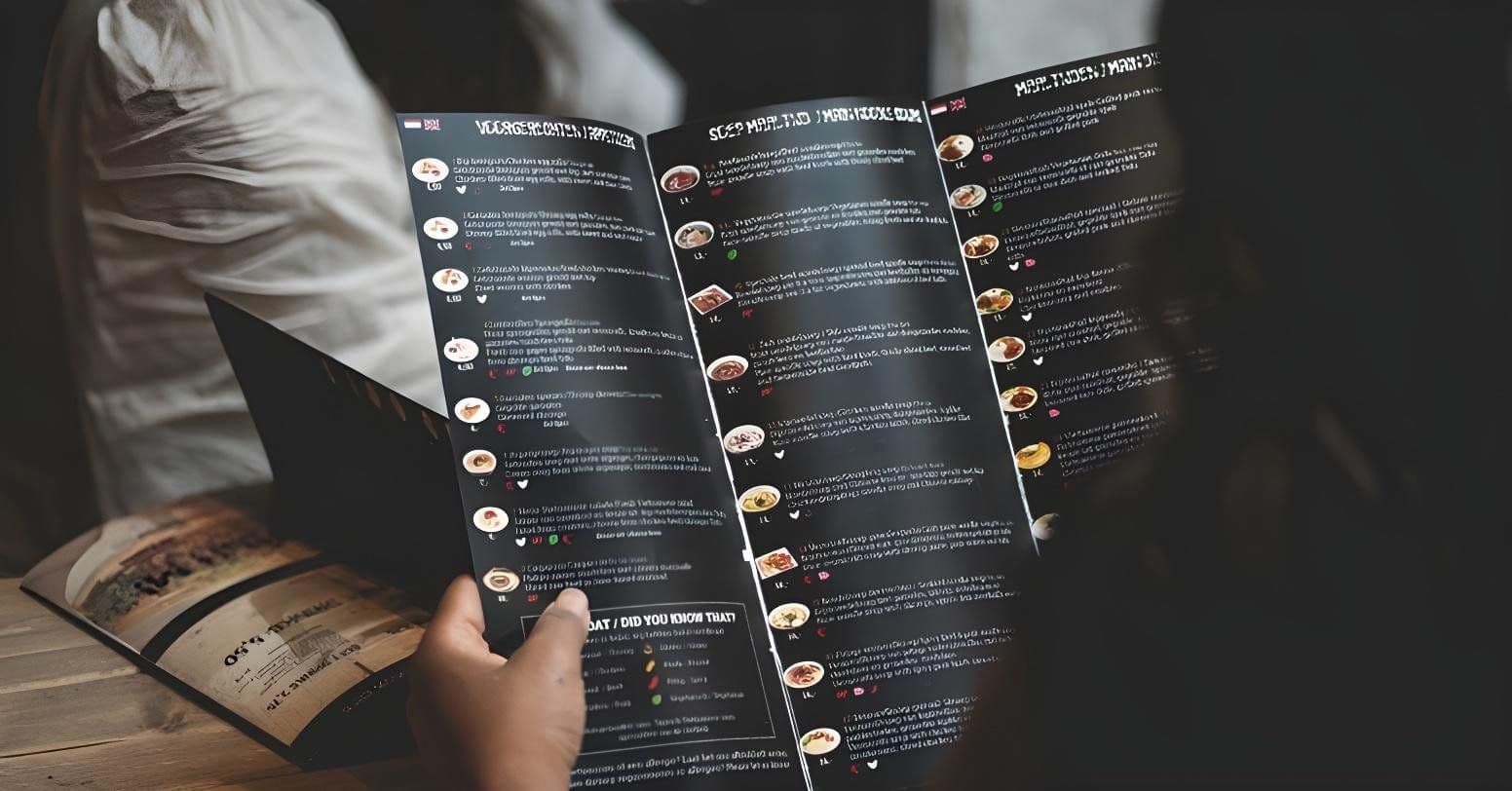
Once your menu structure is in place, the next step is curating the right kinds of dishes; the ones that work any time of day. Especially at 3:45.
These are meals that don’t lean too hard into breakfast or dinner. They sit comfortably in between. Something you could eat after school pickup, before an evening workout, or in between meetings.
In food terms, that means daypart-neutral dishes. A few examples:
Bowl meals: Warm grains or greens topped with roasted veg, proteins, and a good sauce
Toasts & tartines: Think sourdough with whipped ricotta and honey, or smashed chickpeas and herbs
Warm wraps or pressed sandwiches: Easy to prep and easy to eat, without feeling like a full entree
Small plates with substance: Hummus and veggies, a soup and salad duo, a mini pasta with seasonal sides
Egg-based dishes: Frittatas, breakfast tacos, or savory muffins that play well beyond morning
When you’re designing with this in mind, think textures and comfort. Also, try to avoid labeling food by time. A dish called “Lunch Bowl” sounds off at 3:45. But call it a “Roasted Veggie + Grain Bowl,” and it works all day.
One thing I’ve learned from 3:45 diners? Appetite is all over the place.
Some guests are easing into dinner. Others are finishing a long day and want something hearty. And a few just want a little bite and a drink before the evening starts. That’s why portion flexibility matters more than ever.
Give people options, not just in what they eat, but how much.
Offer half portions or small plates when possible. A petite pasta, half a sandwich, a single taco.
Bundle lighter combos like soup and salad, or sliders and slaw. These feel more intentional than just “ordering a side.”
Make shareables easy to order, things like dips, boards, or baskets can serve one or two, depending on how hungry they are.
Allow add-ons such as an egg, a scoop of grains, and a side of avocado. It lets guests build up or down without feeling boxed in.
At this time of day, people crave control. Not everyone wants a full entree, and no one wants to waste food. Flexibility feels respectful, like you see them, not just their order.
Plus, from an operations perspective, this gives your kitchen more control. You can portion smarter, reduce food waste, and adjust prep depending on the time of day.
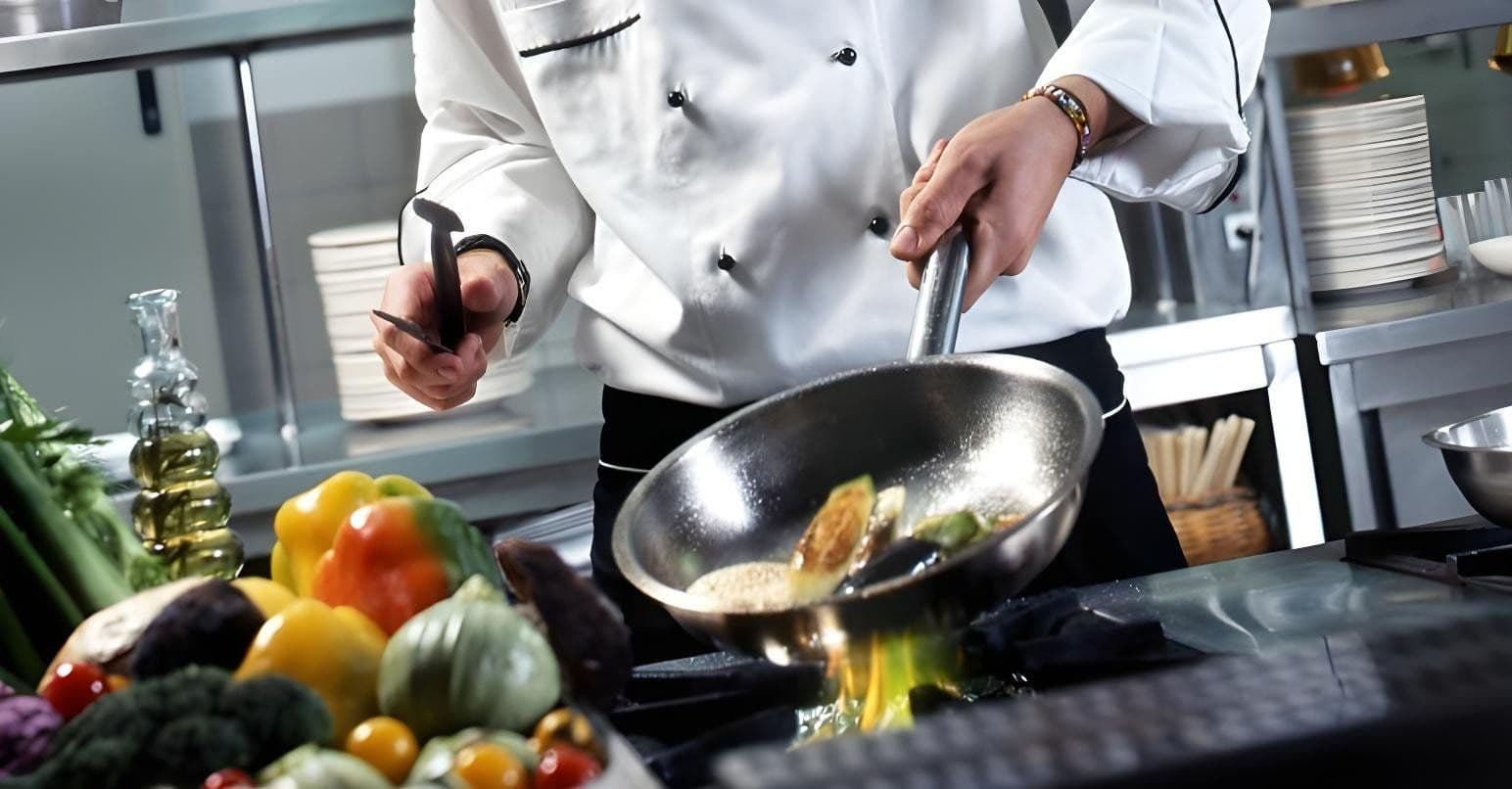
Here’s the thing: an all-day menu can get messy fast if you’re not smart about ingredients. Offering variety is great, but offering too many one-offs can slow your kitchen down and inflate food costs.
The secret? Cross-utilization. Use a core set of ingredients that show up in different ways across your menu.
Let’s say you’ve got:
Roasted sweet potatoes
Lemon herb yogurt sauce
Farro and quinoa mix
Pickled red onions
Slow-cooked chicken thighs
That same sweet potato could anchor a grain bowl at lunch, show up in a wrap for mid-afternoon, or be served warm with a drizzle of yogurt sauce as a side with dinner. Pickled onions? Toss them on a sandwich, a salad, or even a snack board.
This kind of smart layering lets you keep prep tight and predictable, reduce waste and spoilage, train staff more easily, and make dishes feel fresh without reinventing the wheel.
And for your 3:45 diners? It means they’re not getting “what’s left.” They’re getting real dishes made with intention, using the same quality ingredients you’re proud of.
So when you’re planning your all-day offerings, ask yourself: “Can this ingredient work at least three ways?” If yes, it earns a place on your prep list and your menu.
At 3:45, some guests want early evening meals, others want something light and budget-friendly. Your pricing should reflect that flexibility.
Rather than shrinking portions across the board or creating an awkward in-between, consider:
Tiered pricing: Offer smaller items (soups, grain bowls, half sandwiches) in the $8- $12 range alongside more complete meals from $14–$18.
Modular combos: Let guests mix and match with simple add-ons (e.g., add a salad or drink for $3–$5). It gives control without bloating the base price.
Smart anchoring: Your menu should make a $15 early dinner feel like a deal, not a compromise.
Highlight value without discounts: Guests shouldn’t feel like they’re eating “less-than” just because they came before 5.
Use warm, clear language to frame your pricing: “early reset,” “light & late,” or “served when you are.” Don’t bury it in the fine print, make it part of your all-day identity.
Test your 3:45 offerings first: a few flexible dishes, small portions, or early combos. See what guests order, what staff say, and how service flows.
Then market it clearly: signs, servers, and especially digital channels. Post on Instagram, update your website, and use email or SMS to reach loyal guests. Speak to the need: “Because dinner at 3:45 makes sense now.”
A catchy name helps too: Reset Hour, Early Dinner Club, and Afternoon Fare. Make it feel like a moment, not a gap. Start small, promote smart.
Designing all-day menus with early dinner solutions in mind is essential to running a successful restaurant today. Whether you’re serving dinner at 7:00 or 3:45, guests are showing up on their own schedule (e.g., parents with just the kids, remote workers, even food trucks catching mid-afternoon crowds).
Meet them there. When your menu flexes with the moment, you turn slow hours into strong ones. The future focuses on knowing your guests, feeding their rhythm, and making every bite count.
Updated on 24 Jul 2025

Save recipes from anywhere, and get answers, swaps, and help as you cook.


