We use cookies on this website to ensure its proper functioning and to improve the quality of our services. Cookie Policy
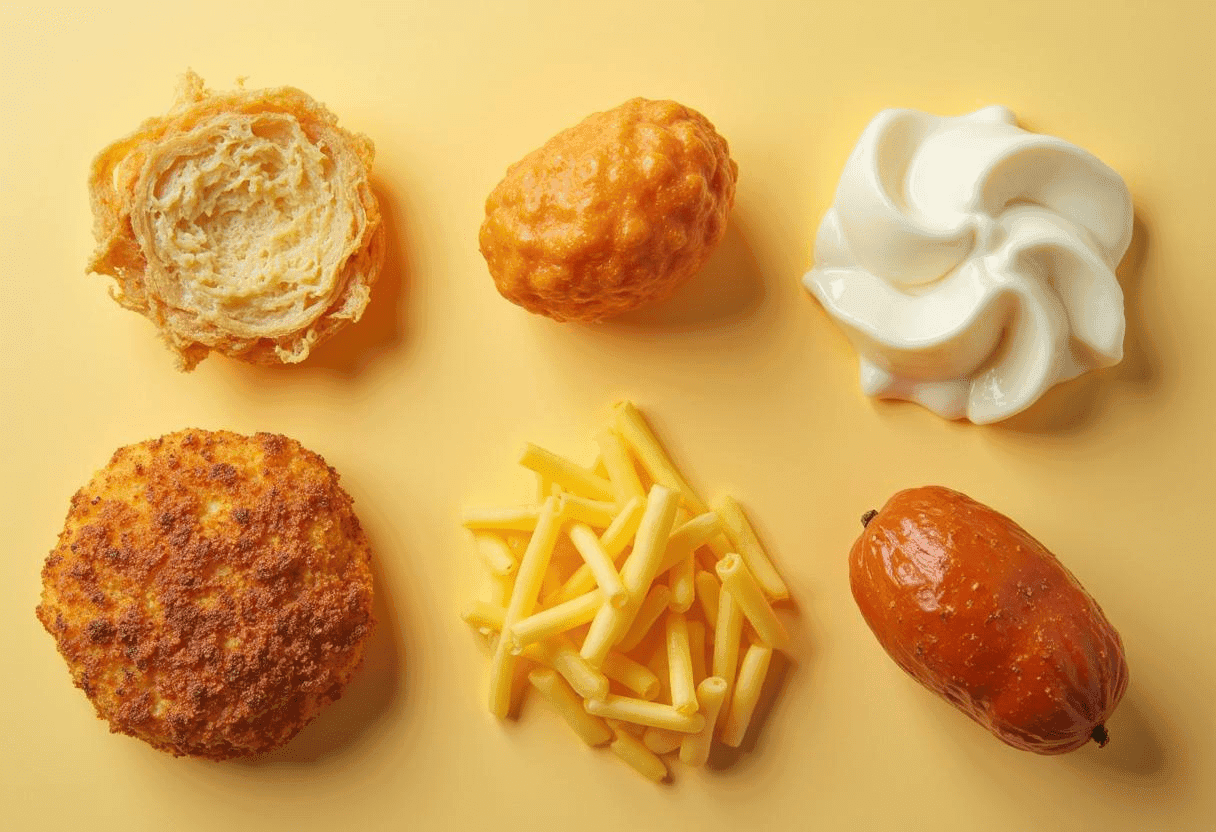
Texture plays a surprisingly important role in how we experience food and how full we feel afterward. While flavor and aroma often get the spotlight, texture—whether crunchy, chewy, smooth, or soft significantly influences how quickly we eat, how satisfied we become, and how much food we ultimately consume. Among the many textured foods, high-quality roasted nuts stand out as a crunchy snack that can boost feelings of fullness and promote mindful eating. Understanding how different textures affect fullness can be a useful strategy for healthier eating and better portion control.
Food texture refers to the physical characteristics of food that we sense primarily through our mouth. These qualities include crunchiness, chewiness, smoothness, softness, and more. Texture affects not only the pleasure of eating but also how our body reacts to and processes the food.
For example, the distinct crunch of high-quality roasted nuts is often associated with freshness and quality. Texture informs the brain about the food’s state and can influence digestion, satiety, and satisfaction.
When we eat, our teeth break down food, while the tongue and palate assess its texture. These sensory receptors send detailed signals to the brain, helping it interpret what we are eating. This complex communication influences our perception of food and triggers physiological responses.
The brain’s response to texture also impacts how quickly we eat. Crunchier foods require more chewing and thus provide more sensory feedback, giving the brain time to process fullness signals.
Eating speed plays a crucial role in fullness. Foods with a hard or crunchy texture, like different roasted nuts, demand longer chewing, which naturally slows the pace of eating. In contrast, soft or smooth foods are easier and faster to consume, which can sometimes lead to overeating because the brain has less time to register fullness.
Crunchy foods require more effort to chew, increasing chewing time and saliva production. This process not only helps physically break down the food but also aids digestion by mixing food with enzymes and activating hormonal signals related to satiety.
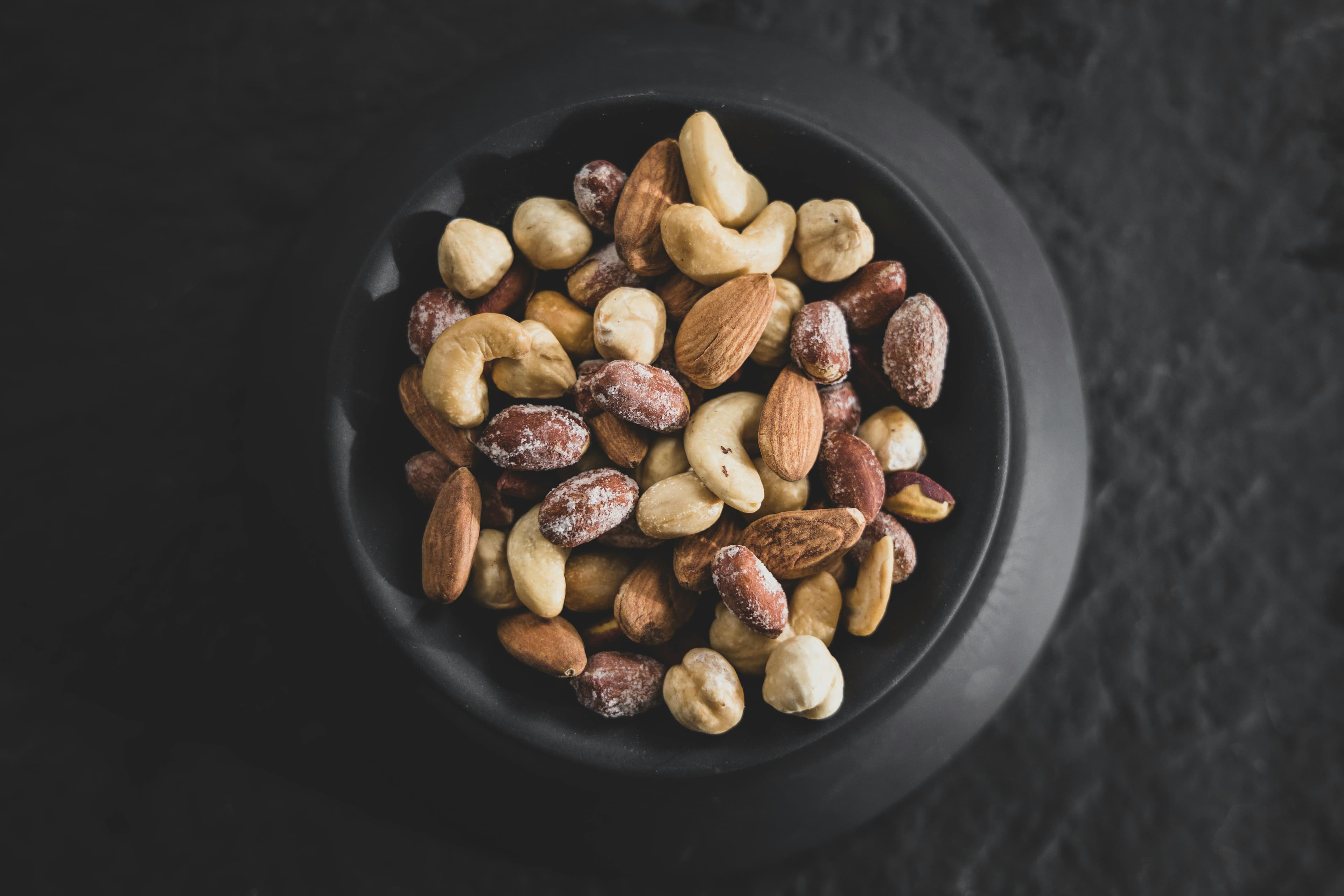
High-quality roasted nuts, which are also an excellent source of alternative protein, exemplify crunchy foods that promote longer chewing times and slower eating. This slower pace benefits fullness because the brain has a better chance to recognize signals of satiety before overeating occurs.
Research has shown that crunchy foods tend to increase feelings of fullness more than softer foods. This is because extended chewing triggers the release of gut hormones like cholecystokinin (CCK) and glucagon-like peptide-1 (GLP-1), which help regulate appetite.
Including crunchy snacks like high-quality roasted nuts in your diet can therefore enhance satiety, helping to prevent excessive calorie intake and aiding weight management.
Not all textures impact fullness equally. Chewy foods may require moderate chewing, while smooth or pureed foods are easy to consume quickly. The texture of food directly affects chewing time, which in turn affects how full you feel.
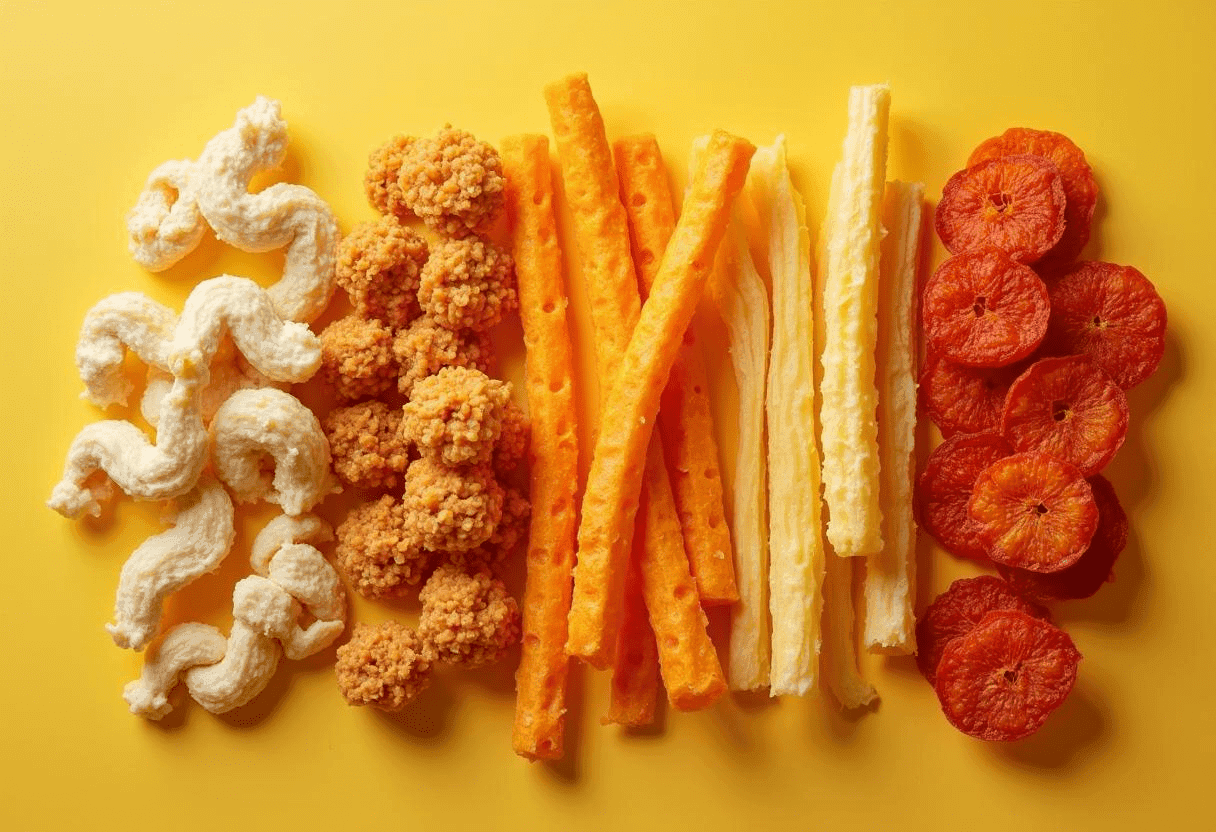
Longer chewing times are associated with greater fullness because the body has more time to detect satiety signals. Crunchy and chewy textures increase chewing time, while soft and smooth textures reduce it.
Adding high-quality roasted nuts as a crunchy component to meals or snacks can lengthen chewing time and enhance feelings of fullness, potentially reducing overall food intake.
Crunchy foods don’t just physically influence fullness; they also satisfy sensory cravings. The audible crunch provides a pleasurable sensory experience that can increase eating satisfaction. This sensory pleasure may reduce cravings for other less healthy foods and improve portion control by making smaller amounts feel more satisfying.
High-quality roasted nuts combine this sensory satisfaction with nutritional benefits, making them an ideal snack for those looking to enjoy their food while managing intake.
Texture’s influence on fullness and satisfaction directly supports portion control. Crunchy foods promote slower eating and more mindful consumption, making it easier to recognize when you’re full and avoid overeating.
Because high-quality roasted nuts are nutrient-dense and crunchy, they help create a feeling of fullness with fewer calories than many other snack options. This makes them an excellent tool for portion control and healthier snacking habits.
Food texture is a powerful factor in how full we feel and how much we eat. Crunchy and chewy foods encourage longer chewing times, stimulate digestive processes, and provide sensory satisfaction, all of which contribute to increased satiety and better portion control. Incorporating high-quality roasted nuts into your diet is a smart way to leverage the benefits of texture—boosting fullness, improving eating satisfaction, and supporting healthier eating habits.
Updated on 24 Jul 2025
Save recipes from anywhere, and get answers, swaps, and help as you cook.


