We use cookies on this website to ensure its proper functioning and to improve the quality of our services. Cookie Policy
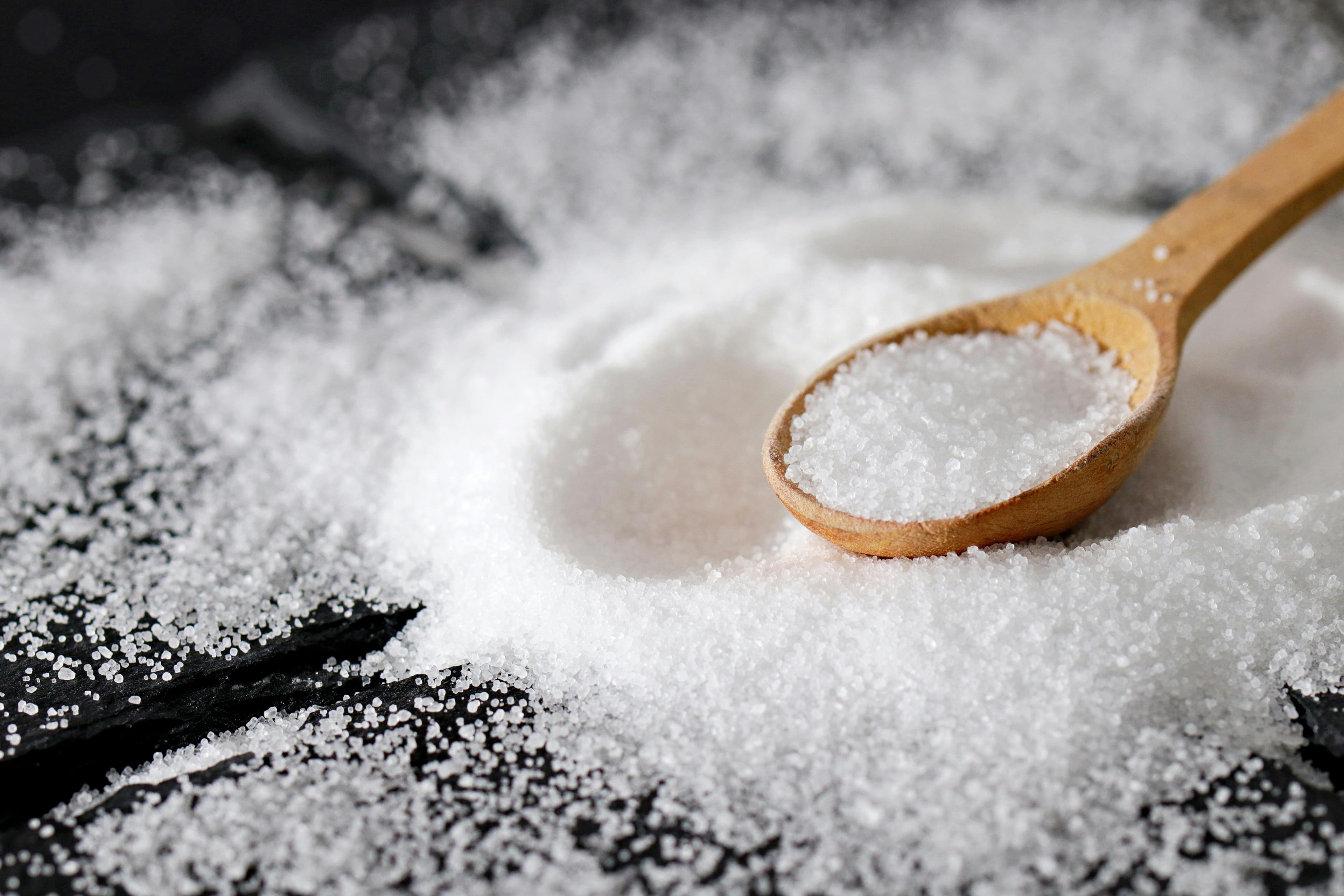
The Salty Truth You Didn't See Coming - Sodium is essential for your body, but did you know too much of it could silently harm your health? It’s easy to overlook the sodium creeping into your diet. You might not even be shaking extra salt onto your meals, yet the reality is, many everyday foods sneak in a lot of sodium. This excess can lead to high blood pressure, bloating, and even serious conditions like heart disease or kidney issues. But don’t worry, you can make a few smarter choices that help reduce your sodium intake without sacrificing flavor! Let’s uncover where sodium hides in your food and how to make more informed decisions.
For most adults, the recommended daily limit is 2,300 mg (roughly one teaspoon of salt). However, if you’re looking to improve your heart health, the American Heart Association suggests aiming for 1,500 mg per day.
So, why does it matter? Even if you’re not loading your plate with salt, many of us are consuming far more than we realize. Processed foods, fast meals, and packaged snacks are the biggest culprits. Sodium plays an important role in hydration, muscle function, and nerve signaling, but too much can lead to water retention, high blood pressure, and other health risks. Monitoring your intake can help you maintain balance and reduce these risks.

We often focus on the dangers of too much sodium, but low sodium (hyponatremia) can also create problems. Sodium helps regulate blood pressure and supports the function of muscles and nerves. So when you’re not getting enough, you might experience some uncomfortable symptoms:
If you have certain health conditions like high blood pressure, heart disease, or kidney issues, a sodium-restricted diet might be recommended. This involves reducing sodium intake by cutting back on processed and high-sodium foods while focusing on fresh, whole ingredients.
While your taste buds adjust, you might miss the savory flavor that salt brings. But with the right swaps, meals can still be delicious.
Sodium isn’t always easy to spot in foods, and it can sneak into your diet where you least expect it. Even foods labeled as "healthy" can be packed with sodium. Here are some foods where you might be getting more salt than you realize:

Practical ways to reduce the usage of sodium in your diet:
1. Use Fresh Herbs and Citrus
Instead of relying on salt to enhance the flavor of your dishes, try incorporating fresh herbs such as basil, cilantro, rosemary, thyme, or parsley. These add complexity and richness without any sodium. Citrus fruits like lemons, limes, and oranges are also fantastic for brightening up meals. Their tangy acidity can balance out flavors in both savory and sweet dishes. Try squeezing fresh lemon juice over grilled vegetables, fish, or salads for an extra layer of flavor, or experiment with vinegar (like balsamic or apple cider vinegar) to give your dishes a zesty twist.
2. Make Homemade Broths and Sauces
Many store-bought broths, stocks, and sauces are packed with sodium to enhance preservation and flavor. When you make your own broths at home, you can control how much salt goes into the mix. Homemade broths can be made from leftover bones, vegetables, or herbs, providing rich, comforting flavors without the sodium overload. Likewise, many sauces like tomato sauce, barbecue sauce, or salad dressings often contain high amounts of salt. By making your own versions at home, you can reduce the sodium content significantly while tailoring the flavor to your taste.
3. Choose Whole Foods Over Processed Ones
Whole foods, such as fresh vegetables, fruits, grains, and lean meats, naturally contain less sodium than their processed counterparts. Processed foods—like frozen dinners, packaged snacks, and canned foods—often have added sodium for flavor or preservation. By incorporating more whole foods into your diet, not only will you reduce sodium intake, but you'll also benefit from more nutrients and fiber. For example, choose fresh chicken breast over deli meats or canned beans, and opt for whole grains like brown rice instead of pre-packaged flavored rice mixes.
4. Cook More at Home
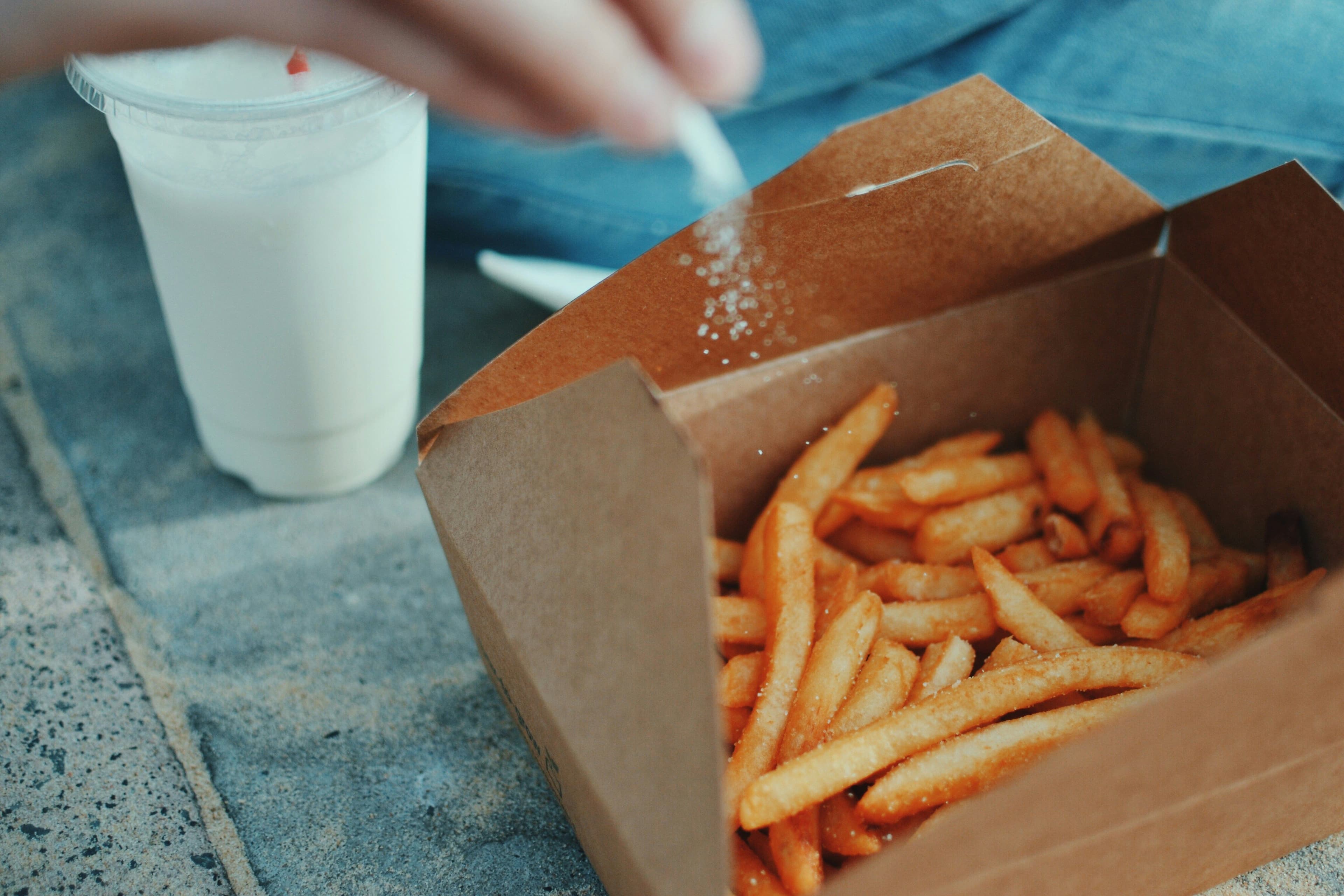
Cooking meals at home gives you the flexibility to control the amount of salt in your food. Many restaurant dishes and take-out meals are loaded with sodium to enhance taste or for preservation purposes. By preparing your meals at home, you can experiment with salt alternatives and create dishes that suit your flavor preferences while keeping sodium in check. You can also batch-cook healthy meals and freeze them for convenience, ensuring you always have a sodium-controlled option on hand.
5. Try DIY Seasoning Blends
Creating your own seasoning blends at home can help you cut out the sodium and boost flavor in your dishes. Many pre-made spice mixes and seasonings contain added salt. Instead of using these, combine your favorite spices like garlic powder, onion powder, paprika, cumin, oregano, or chili powder to create your own salt-free seasoning blend. This way, you can tailor the flavor profile to match the dish you’re making, whether it’s savory, smoky, or spicy, without relying on sodium. Experiment with different combinations to find the perfect balance of flavors.
6. Swap Salty Snacks for Healthier Options

Processed snacks like chips, pretzels, and crackers are typically high in sodium. Instead, try healthier alternatives that are naturally low in sodium. Unsalted nuts, such as almonds, walnuts, or cashews, provide a satisfying crunch and healthy fats without the added sodium. Air-popped popcorn is another great snack option that you can season yourself with herbs and spices for a flavorful treat without the salt. Fresh, crunchy vegetables like carrot sticks, cucumber slices, and bell pepper strips paired with hummus or a homemade dip offer a satisfying and nutritious alternative to salty snacks.
Enjoy your flavorful meals while keeping your sodium intake in check.
Sodium is essential for our health, but it’s easy to overdo it without realizing. By being mindful of hidden sodium in processed foods and making small changes to your diet, you can cut back on salt while still enjoying flavorful meals. Start by reading food labels, cooking at home, and incorporating fresh, whole foods into your meals. With these changes, you'll be on your way to better health.
Updated on 21 Jan 2026
Save recipes from anywhere, and get answers, swaps, and help as you cook.


