We use cookies on this website to ensure its proper functioning and to improve the quality of our services. Cookie Policy
Tea lovers might be in for an unpleasant surprise. A growing body of research has revealed that some tea bags release microplastics—tiny plastic particles that pose potential health and environmental risks. While a comforting cup of tea is often associated with relaxation and wellness, recent findings suggest that the materials used in some tea bags could be contaminating the very drink meant to nourish and refresh.
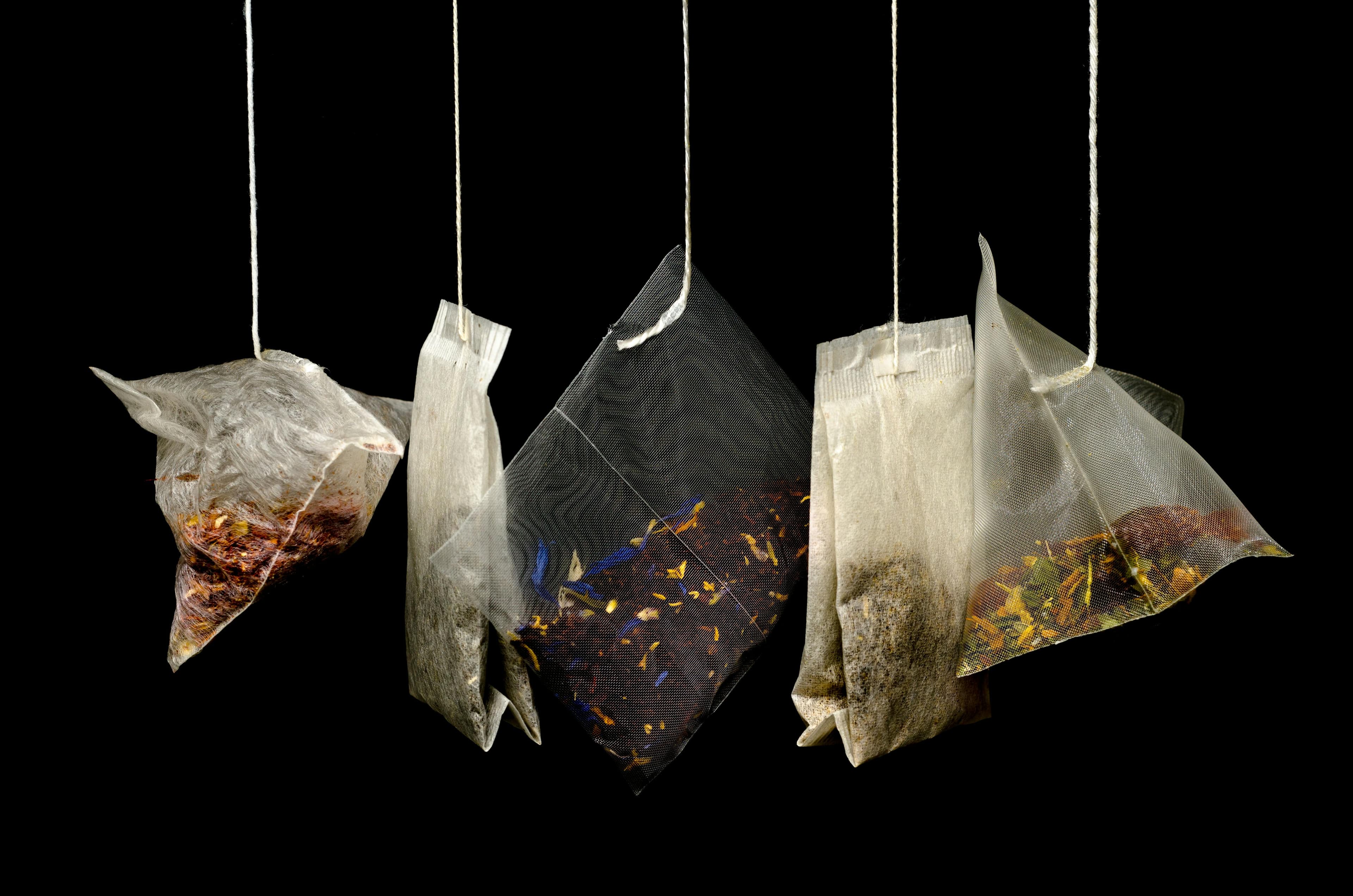
A study published in the journal Environmental Science & Technology found that certain tea bags, particularly those made from plastic-based materials, shed billions of microplastic and nanoplastic particles when steeped in hot water. These invisible contaminants originate from the synthetic fibers used to make some premium tea bags, often marketed as “silky” or “mesh.” Unlike traditional paper tea bags, which are biodegradable, these newer designs often contain polypropylene or PET plastic to maintain their shape and structure in hot water.
While microplastics are already present in various food and beverage products, their presence in something as widely consumed as tea raises concerns about long-term exposure. Although the health effects of ingesting microplastics are still being studied, some researchers worry about their potential to accumulate in the body and disrupt cellular functions.
For those looking to minimize their exposure, the good news is that there are several ways to avoid microplastics in your tea. Opting for loose-leaf tea is one of the most effective solutions, as it eliminates the need for tea bags entirely. Many tea brands also offer biodegradable or unbleached paper tea bags, which are free from plastic-based materials.
In addition, switching to metal or reusable cloth tea infusers is a sustainable alternative that not only reduces microplastic exposure but also cuts down on waste. Consumers can also explore compostable tea bags, often made from natural fibers like hemp, cornstarch-based materials, or banana fibers, which break down without releasing harmful plastics.
While research has identified certain types of tea bags that release microplastics, specific brand names are often not disclosed in studies to avoid legal implications. However, Consumers can identify tea bags that are more likely to contain synthetic materials and microplastics by looking for ones that are silky, transparent, or mesh-like. Additionally, some brands use polypropylene to seal traditional paper tea bags, which can also introduce microplastics into the brewed tea.
To stay on the safe side, opt for ethical and environmentally conscious tea companies that explicitly advertise plastic-free, biodegradable, or compostable packaging and clear labeling to indicate that their products are free from microplastics, allowing consumers to make informed choices.
Beyond personal health risks, microplastics from tea bags do not break down completely, leading to plastic pollution in soil and waterways. Over time, these tiny plastic particles can find their way into marine ecosystems, where they pose a threat to aquatic life. Advocacy groups are now urging companies to transition to fully compostable and biodegradable alternatives.
The growing awareness of microplastics in tea bags is prompting both consumers and manufacturers to rethink their choices. While research on the long-term effects of microplastic consumption is ongoing, there is already enough evidence to encourage precautionary measures. In the broader picture, consumer demand for sustainable packaging could drive the tea industry toward safer, more environmentally responsible practices.
So, the next time you make yourself a cup of tea, take a moment to check what’s in your bag. A small switch in your tea-drinking habits today could lead to a healthier future for both you and the planet.
Updated on 21 Jan 2026

Save recipes from anywhere, and get answers, swaps, and help as you cook.


