We use cookies on this website to ensure its proper functioning and to improve the quality of our services. Cookie Policy

Unlike the rest of the world, China will celebrate the New Year on January 29th. Chinese New Year, also known as the Lunar New Year and Spring Festival, is the most auspicious and joyous time for the people of China.
It's a time of celebration, and families come together for the annual reunion dinner to welcome the new year. No great celebration is complete without great food. Chinese New Year calls for a feast full of delicious foods, each carrying an important significance. In this article, we will explore the food traditions of Chinese New Year while uncovering the lore behind this celebration.
2025 is the Year of the Snake, believed to bring wisdom, career growth, self-improvement, and stability.
As the name suggests, Chinese New Year is a festival that celebrates the beginning of the New Year according to the Chinese calendar. Traditionally, China, like many other cultures, followed the lunisolar calendar as opposed to the solar calendar we all follow today. A lunisolar calendar incorporates both lunar and solar movements to keep track of time, which is why the Chinese New Year is also referred to as the Lunar New Year.
Chinese New Year, also known as the Lunar New Year, lasts for 15 days, ending with the Lantern Festival. Each day has its own traditions and customs.
This celebration is also often called the Spring Festival, as it usually falls between 21 January and 20 February, around the Spring season. It is the most important time in Chinese culture. It is a time when families come together to honour their deities and ancestors before entering a new year.
While different regions have their lore attached to this festival, the most common legend is that of Nian, which translates to “Year”. The story goes like this:
Once upon a time, thousands of years ago, there lived a monster named Nian. At the beginning of each New Year, he would attack the villagers. The people got tired of the monster and decided to keep him away on New Year. They found out that the monster was afraid of loud noises, bright lights, and the colour red. So, every New Year, they started burning firecrackers and fireworks and decorated their village with red coloured lanterns and paper strings to keep the beast away while they welcomed the New Year.
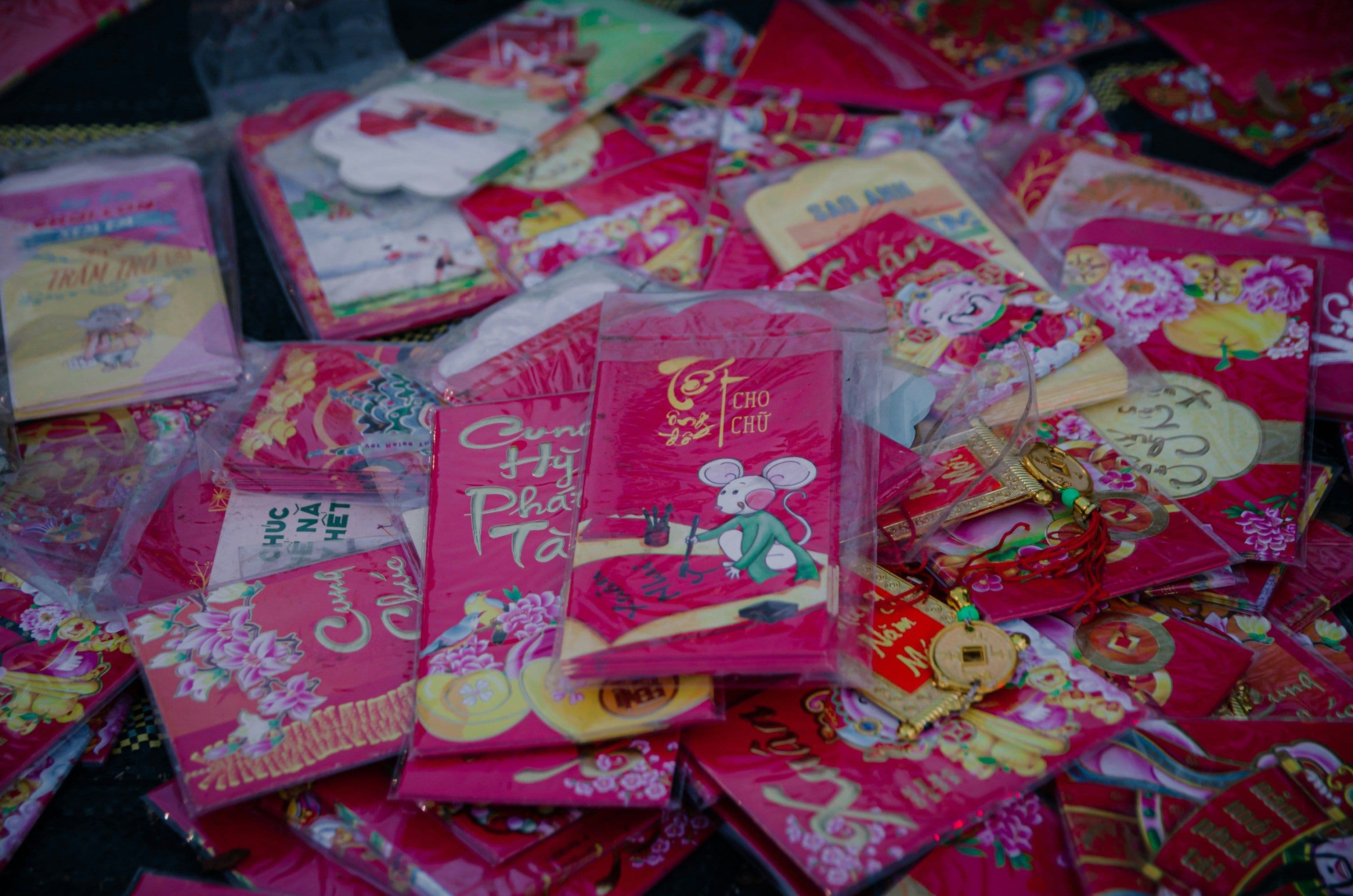
Tradition calls for thoroughly cleaning the house and decorating windows and doors with red paper cuts and banners. This is so that the bad and the old are removed, and the new and good are welcomed into the house. The streets are lit with traditional red lanterns, and the sky is filled with extravagant firecrackers. Lion dances, red envelopes with elders' blessing and money, and a ton of decorations are everywhere. However, food takes centre stage, with dishes that come with auspicious meanings. It creates an opportunity for the entire family to spend quality time as they cook together. So, what are these dishes? And what is the meaning behind them? Let’s find out!
Several dishes bring good luck when enjoyed on the Chinese New Year. Here are 8 dishes to eat on Chinese New Year for good luck:
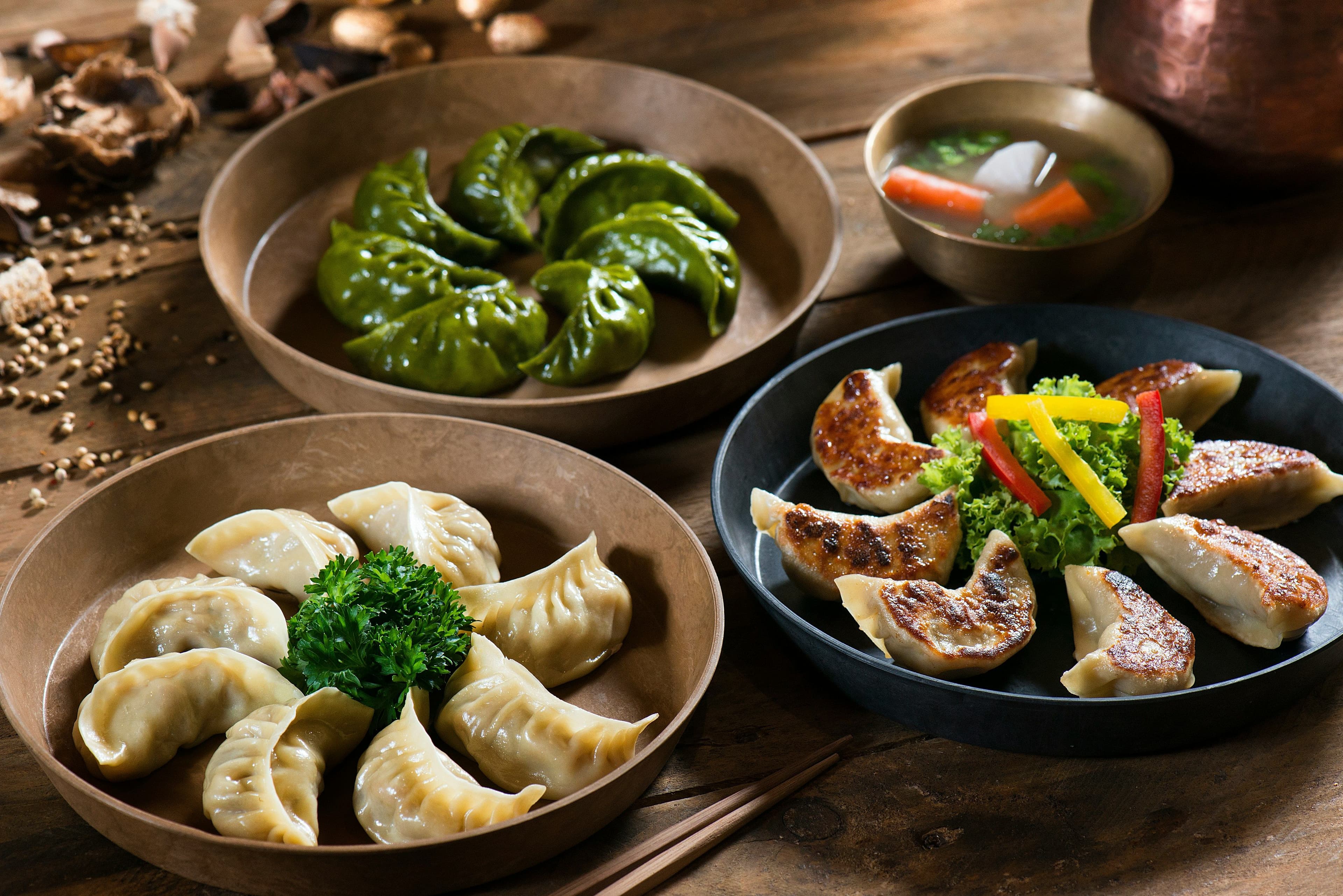
Dumplings resemble gold ingots, an ancient form of Chinese currency, symbolising prosperity and wealth for the coming year.
It is believed that the more dumplings you eat on New Year, the more wealthy you will be that year. Dumplings, traditionally called Jiaozi, symbolise wealth, and ideally, before eating them, “Zhao cai jin bao” is said, which means “bringing in wealth and treasure.” Every household has its own preference for the filling that goes into the dumping wrappers. While minced pork filling remains the most popular, made with Shrimp, savoury Shaoxing wine, white pepper, piquant ginger, white cabbage, sesame oil, soy sauce, and scallions, chicken and vegetable-filled dumplings made with finely chopped Chinese white radish, leeks, five-spice tofu, shiitake mushrooms, and cooked glass noodles are also savoured.
Here is the recipe for Chinese Soup Dumplings
According to traditions, a whole fish symbolises abundance. Although this whole fish is cooked differently across regions, the most common method is steaming it and serving it with soy sauce and scallions. Traditionally, the head of this fish is placed to face the elders. Usually, the fish is one of the last dishes to be served, as having leftovers is considered a good omen. The leftover fish is believed to be a prayer that the family will have more than it needs for the year.
Here is the recipe for Whole steamed fish
Nian Gao, or Glutinous Rice cakes, are traditional desserts made with glutinous rice flour and other ingredients, such as brown sugar, coconut milk, and vanilla extract. They are wrapped in lotus leaves and steamed. Eating Nian Gao during the New Year manifests an improved quality of life.
Here is the recipe for Glutinous Rice Cake
Did you know? The Chinese New Year period triggers the largest human migration in the world, known as "Chunyun", as millions travel home to celebrate with family.
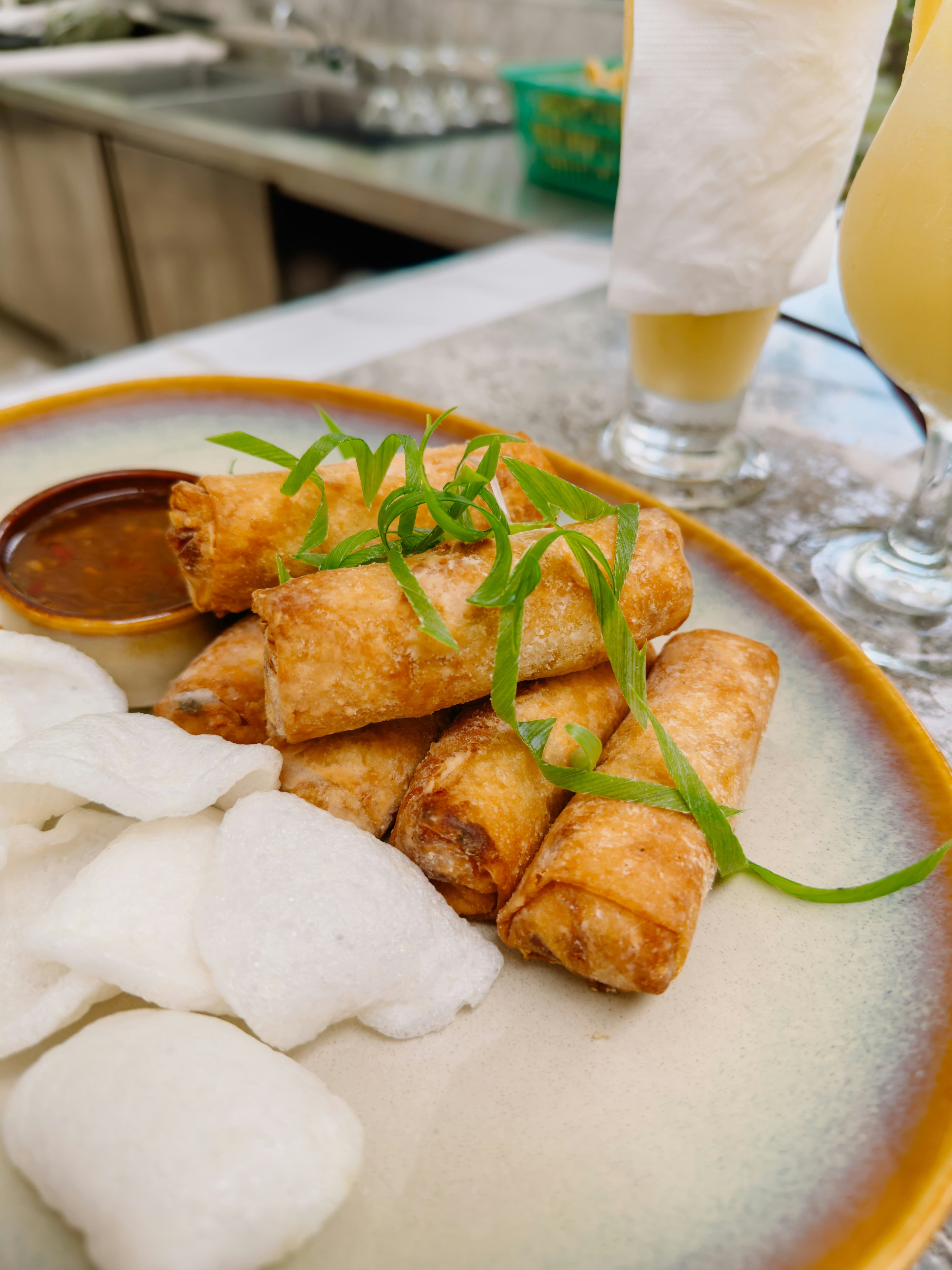
Different regions of China have their own versions of spring rolls; in southern China, they’re often sweet or savoury and in northern China, they might be larger and filled with more vegetables.
This popular Chinese appetiser symbolises wealth and prosperity, as these golden rolls are associated with gold bars. Spring rolls, or Chun Juan, are such an essential part of the New Year's feast that they even got their name, “spring rolls,” because they are traditionally eaten during the Chinese New Year to celebrate the coming of spring.
Here is the recipe for Spring Rolls
In Chinese, longevity noodles are called “Changshou Mian,” which translates to "long-life noodles." These noodles can be served in various ways, including pan-fried with vegetables or with bok choy in a simple broth lightly seasoned with soy and ginger. The belief is that the longer the noodles are, the longer your life will be. It is believed that these long noodles should be eaten in one continuous slurp from start to finish as you want to manifest a long life and a year where everything goes smoothly.
Here is the recipe for Longevity Noodles
In ancient China, animal sacrifices were made to the gods at the end of the year. What was left behind needed to be used effectively, so all the excess meat was dried and preserved to be savoured when winter ended, that is, on the Chinese New Year. Even though animal sacrifices became a thing of the past, the tradition of eating cured meat on New Year went on. Today, many families make their own cured meat by hanging the meats from window ledges and washing lines and later savour this preserved meat as cold dishes.
Here is the recipe for Cured Meats
Babao Fan is called Eight Treasures Rice in Chinese, and staying true to its name, the dish symbolises great fortune. This dish is a two-way treat as it appeals to your taste buds and your eyes. It is decorated with fruits and nuts such as dried plums, lotus seeds, and almond kernels and finished with shiny sugar syrup poured over it. The number eight is considered extremely lucky in Chinese culture, symbolising wealth and success. Balboa fan is a sweet and meaningful dish that requires much care and concentration to prepare.
Here is the recipe for Babao Fan
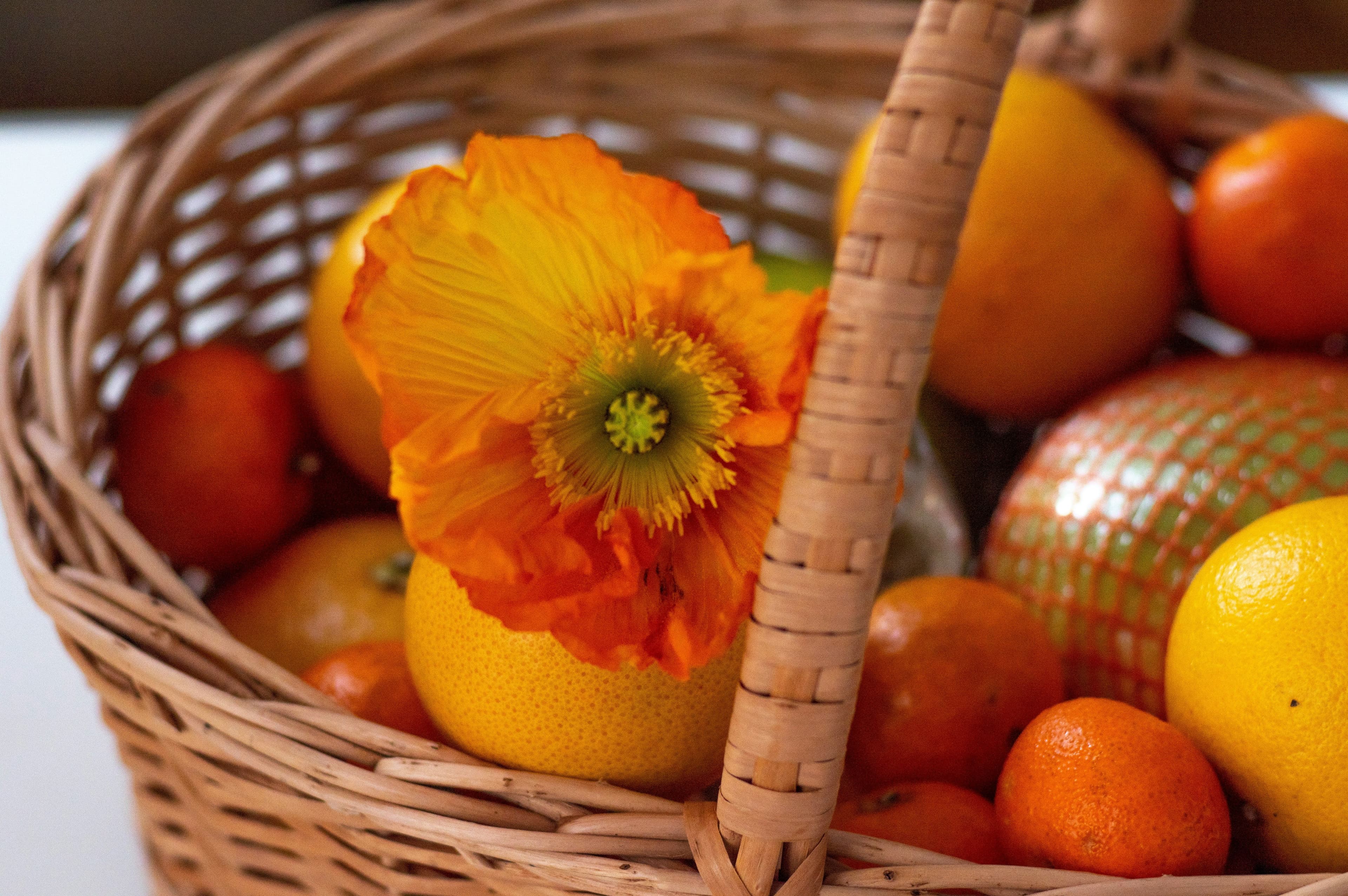
Oranges and tangerines are often presented in pairs, as the number two is associated with harmony and balance in Chinese culture.
Like most celebrations worldwide, Chinese New Year incorporates dishes that are seasonal to that time of the year. As this celebration falls at the end of winter, it is only logical that fruits like oranges and tangerines are included as a celebration staple. These fruits are offered as gifts as their round shape symbolises unity and togetherness, and the gold colour symbolises prosperity and good fortune. Instead of gifting a basket of these fruits, sometimes potted orange and tangerine plants are also gifted.
For a festival so rich with customs and traditions, it also includes some practices that are avoided as they are believed to bring bad luck. A common practice that is prohibited on Chinese New Year’s Day is sweeping the floor, or if you do, you are not supposed to dump garbage or throw water outside the house. It is advised to do a thorough cleaning of the house before New Year’s day. Another rule is not to sweep into someone's feet when sweeping the floor, as it brings bad luck to them.
If you wondered why this festival is so loved by children, not only do they get money as blessings from elders on this day, but also, on New Year's Day, older family members are told not to scold kids even if they do not behave themselves as they should. What a lovely tradition!
The spring festival is a time when families gather and express gratitude and hope. Food plays a crucial role in this festival. By savouring these dishes, families get a chance to indulge in delicious meals and share their happiness and hopes for the coming year. As they say, a family that eats together stays together, and Chinese New Year beautifully integrates this thought into tradition so that people don’t forget to spend time with their family in the rush of life. That said, we wrap up Exploring the symbolism behind the traditional dishes of Chinese New Year and discovering the lore of this widely celebrated festival. We hope you spend plenty of time with your loved ones and wish you a prosperous New Year!
Updated on 10 Dec 2025
Save recipes from anywhere, and get answers, swaps, and help as you cook.


