Feeding the Future: What Are We Really Giving Our Kids?
Why our kids’ relationship with food matters, and how small changes at home can shape healthier, happier futures.
by Anna Middleton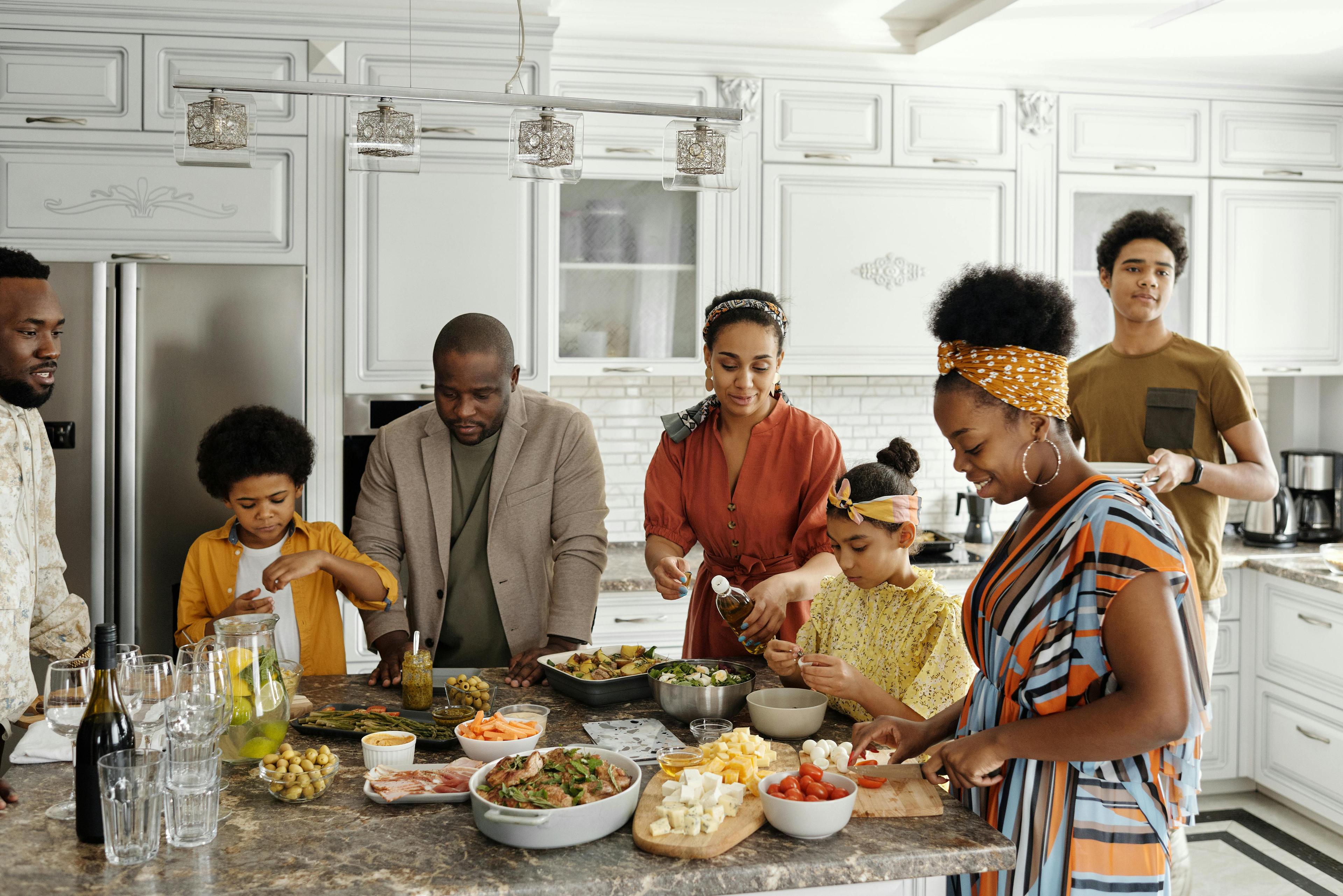
The Fast-Food Trap
Table of Contents
Life today moves at lightning speed. Ready-made meals and drive-through dinners have become the norm. The garden-to-table lifestyle feels like a luxury most families can’t afford anymore. Instead, many children are growing up on processed foods, because it’s quick, convenient, and saves time.
But there’s a cost. Kids are refusing nutritious meals, spending hours on screens, and becoming more sedentary. Then, out of nowhere, boom! They’re bouncing off the walls from a sugar rush.
Sugar Highs and Lows
I’ve witnessed the aftermath of sugar-filled kiddies’ parties: moody, cranky, and sleepy kids. These “sugar hangovers” aren’t the result of a long day of play; they’re from what was consumed.
More and more Gen Alpha children are facing ADHD, anxiety, and other spectrum-related conditions. And I can’t help but ask: why are kids today so entitled to decide what’s healthy for them?
As a child of the 1980s, I had no choice but to eat what was served. Back then, food was real, and takeaways were an occasional treat, not the foundation of a diet.
How Food Affects Performance
Think about this: how do you feel after indulging in greasy fried foods or processed meals? Heavy. Sluggish. Unmotivated. Now imagine how this impacts your child’s ability to learn, play, and focus.
Are we, as parents, unknowingly setting them up for unhealthy eating habits? And if time is our biggest excuse, how do we change that?
Cooking Confidence for Kids
As a professional chef, I’ve seen the power of food education firsthand. At Evolve East London in South Africa, I run creative cooking classes for kids and adults.
I’ve watched children transform as they learn to chop, stir, and taste their way through colorful, fresh ingredients. They not only cook healthy meals, they enjoy eating them too. The look of surprise on their faces when they realize they like something they thought they hated? Priceless.
Growing Healthy Habits at Home
Here’s the good news: you don’t need to be a chef to raise healthy eaters. Start small:
-
Grow a vegetable garden and let your kids harvest with you.
-
Cook together so children respect the food they help prepare.
-
Make it fun so health doesn’t feel like punishment.
Cooking doesn’t have to be a chore; it can be a bonding experience.
Tech Meets the Kitchen
Since kids love screens, why not use that to your advantage? Platforms like Chefadora bring recipes to life in a way that’s interactive and engaging. It’s far more effective than simply telling your kids what’s “good” or “bad.”
Remember: actions speak louder than words. Chefadora becomes your private chef at home, helping families reconnect through food while building healthier habits for life.
Nutrition isn’t just about fueling our bodies; it shapes how we live, feel, and connect. We already have the tools to make positive changes as families. It’s time we use them.
Updated on 16 Sept 2025

About the author
Anna MiddletonAnna Middleton is a self-taught South African chef who has cooked professionally for 19 years and now teaches kids and adults to cook.
More from Anna Middleton
Your recipes can talk now 👀
Save recipes from anywhere, and get answers, swaps, and help as you cook.
