We use cookies on this website to ensure its proper functioning and to improve the quality of our services. Cookie Policy
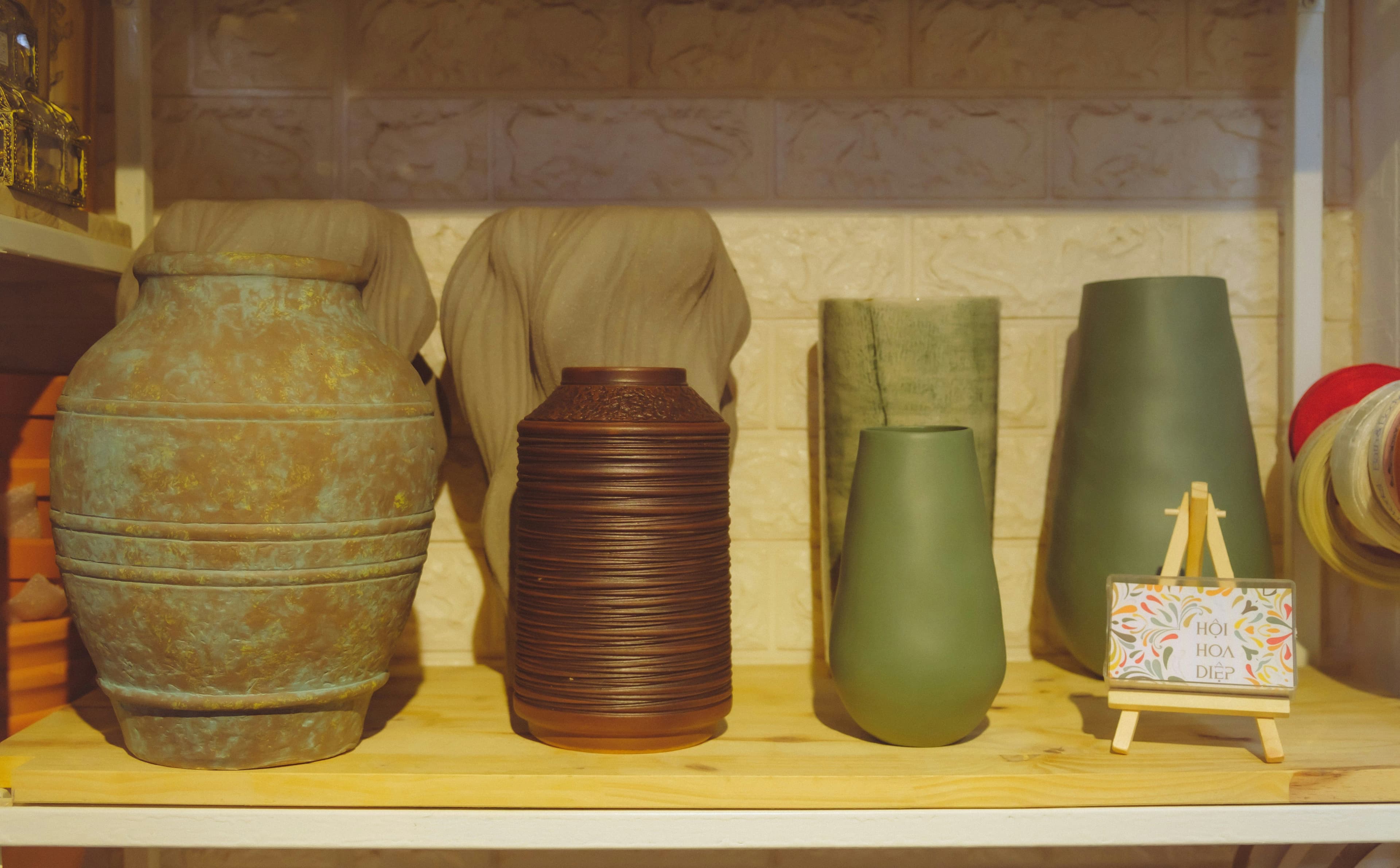
As sustainability becomes a priority for households worldwide, traditional cookware is making a strong comeback. Earthenware and stoneware, once staples in kitchens across cultures, are regaining popularity due to their eco-friendliness, health benefits, and timeless aesthetic appeal. Unlike modern non-stick cookware that often contains synthetic coatings, these clay-based materials offer a natural, sustainable alternative for cooking and serving food.
The shift toward earthenware and stoneware aligns with a growing awareness of environmentally friendly choices in the kitchen. These materials are derived from natural clay and fired at high temperatures, making them biodegradable and free from harmful chemicals like PFOA and PTFE, which are commonly found in non-stick cookware.
Unlike plastic and metal cookware, which contribute to environmental waste and pollution, clay pots and stoneware degrade naturally over time. This makes them an excellent option for reducing the carbon footprint in the kitchen, supporting a more sustainable way of life.
Beyond sustainability, earthenware enhances both the flavor and nutritional value of food. Cooking in clay pots has been a time-honored tradition in various cultures, known for its ability to retain moisture, enhance taste, and preserve essential nutrients in food.
Stoneware, a denser and more durable clay material, is equally valued for its versatility in cooking and serving. It can withstand higher temperatures compared to earthenware, making it suitable for oven baking, roasting, and even freezing.
Aside from their practical and health benefits, earthenware and stoneware bring aesthetic and cultural value to the kitchen. Their handcrafted, rustic appeal makes them perfect for both traditional and modern kitchens. Whether used for cooking or serving, these materials add a unique, artisanal touch to the dining experience.
Using earthenware and stoneware is also a step toward reducing reliance on plastic and metal cookware, which often contribute to environmental waste. Choosing natural cookware over synthetic options helps support sustainability efforts while minimizing non-biodegradable waste. Additionally, many earthenware and stoneware products are made by local artisans, helping to preserve traditional pottery-making techniques and support small businesses.
As more people seek sustainable and health-conscious cooking alternatives, earthenware and stoneware offer a perfect balance of tradition, functionality, and eco-friendliness. Choosing these materials over modern cookware not only benefits the environment but also enhances the quality of home-cooked meals. Whether it's a simple clay pot for slow-cooked curries or a stoneware baking dish for family meals, investing in natural cookware is a step toward a more sustainable and mindful way of living.
Updated on 21 Jan 2026
Save recipes from anywhere, and get answers, swaps, and help as you cook.

