We use cookies on this website to ensure its proper functioning and to improve the quality of our services. Cookie Policy
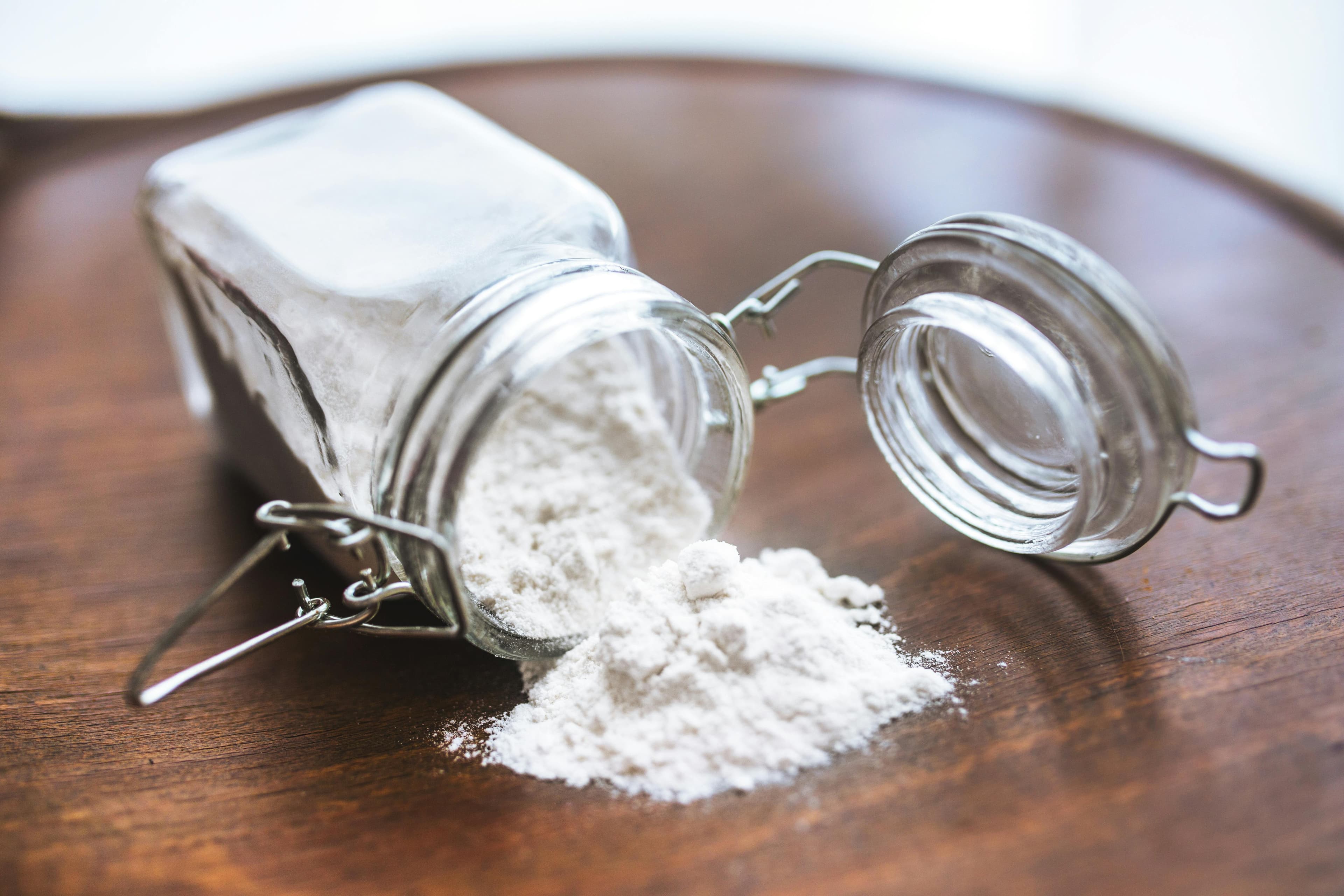
Baking Soda is a common household ingredient with a wide range of uses. This "household all-rounder" has many uses around the house, from cleaning to personal care and even health benefits. Baking soda, or sodium bicarbonate, is widely used in baking to help give goods that fluffy texture. It is also used as a cleaning agent to cover a bad smell. Baking soda is a versatile product offering several benefits. However, it is important to understand how it works and what its benefits, cons, and risks are to use this product to the best of your needs. So here is a brief guide to understanding the mechanisms behind baking soda, its advantages and disadvantages, and the proper ways to use it safely.
Sodium Bicarbonate is an alkaline substance, which means it is a base. When baking soda mixes with an acid, it alters the pH level, which is why it is effective in soothing an upset stomach, covering a bad stench, and keeping our teeth white, as it reacts with the acid to dilute its effects. This is also why baking soda is primarily used in baking, as when it is combined with acidic products like lemon juice, vinegar, or buttermilk, it creates a chemical reaction that releases carbon dioxide. This caused the dough to rise and expand, giving baked goods a light, fluffy texture.
Baking soda has many uses, one of the most popular uses being neutralising stomach acid and helping relieve heartburn, indigestion, or an upset stomach. Apart from that, it is used as a cleaning agent to get rid of stubborn stains and foul smells. Many people also use baking soda to absorb unpleasant odours by keeping an open box of baking soda in their refrigerator.
Some even use it to remove the heavy stench from their shoes and carpets. Baking soda can be used as an antacid for indigestion. It also helps reduce oral bacteria when used as a mouthwash.
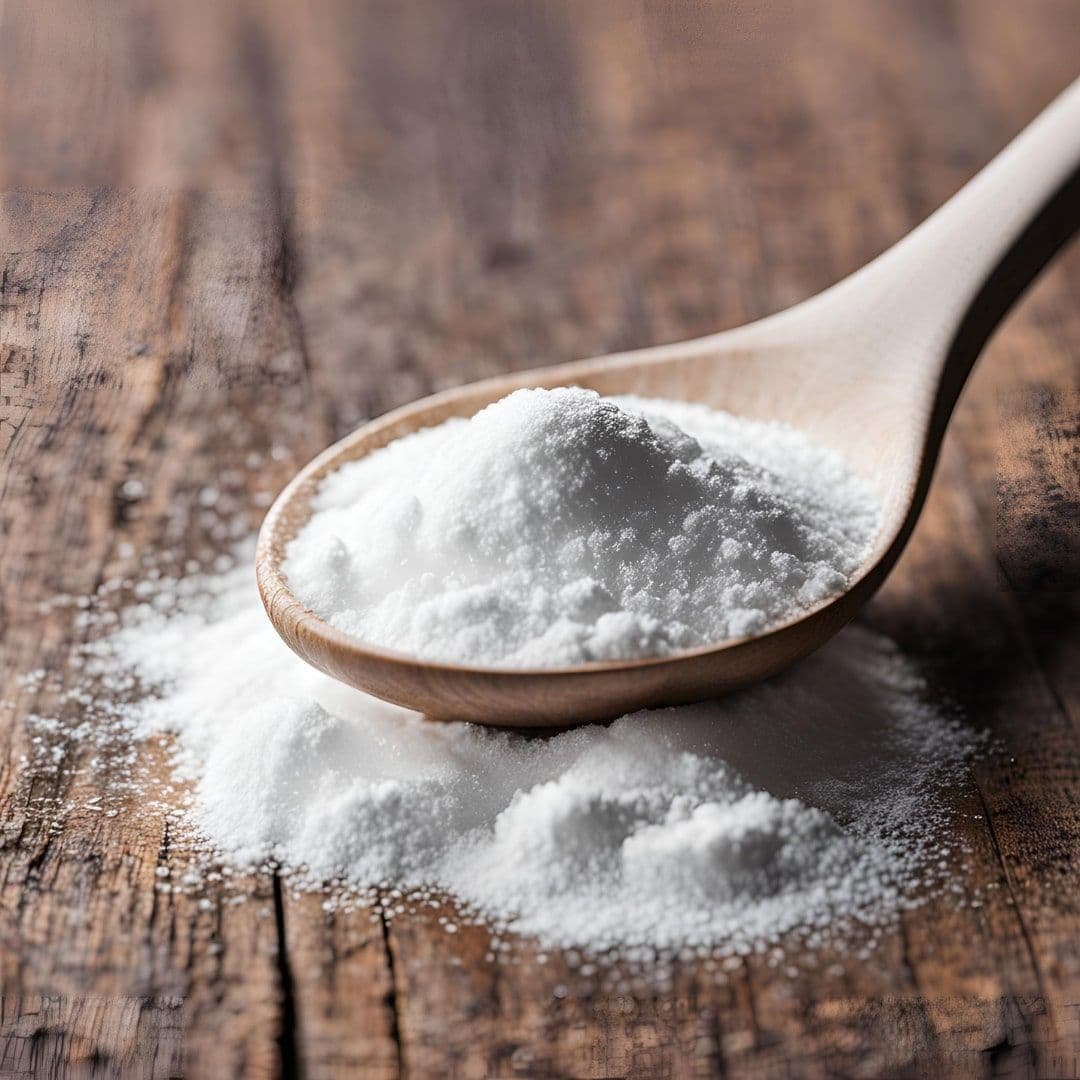
Baking soda can relieve itchy insect bites. Apply one tablespoon of baking soda with enough water to form a paste to the bite and leave it for 10 minutes before washing it off.
Despite all the benefits, baking soda also comes with a few downsides. Excessive intake of baking soda can upset the body's acid-base balance leading to nausea, vomiting, and/or abdominal pain. One of the biggest downsides of baking soda is its high sodium content. Which can lead to rising blood pressure and swelling. Overconsumption of baking soda can sometimes also lead to heart malfunction or ineffective pumping.
When consuming baking soda, ensure it is fully dissolved in water before drinking it. It is advised not to consume more than three tablespoons of baking soda in a day. This quantity varies depending on the age of a person. Children and the elderly should stray away from consuming any more than one tablespoon of baking soda in a day. Additionally, if you have conditions like edema, high blood pressure, liver disease, or kidney disease, you should refrain from consuming any amount at all. Pregnant people and breastfeeding mothers are also advised to avoid consuming baking soda. If you regularly take any kind of medication, it is best to consult your doctor before drinking baking soda, as some of them may interact with the substance to cause negative effects.
No substance that has a reputation as a “cure-it-all” is actually capable of such a feat. Baking soda is no different from this logic. Although a great and affordable solution for many household issues, it has its limitations and downsides. Caution and awareness are essential, as overuse can lead to potential downsides. By practising moderation and appropriate application, you can get the most out of this remarkable product.
Updated on 24 Jul 2025

Save recipes from anywhere, and get answers, swaps, and help as you cook.

